Skip to content

Primary container or outer pack? A primary container holds the supplement itself. An outer pack holds sealed stick packs, a pouch, a blister or a closed bottle. Identify which job the paper packaging needs to do before you choose the shape.
Direct fill or sealed inner pouch? For direct fill, agree on the contact material, barrier and seal with the filling team. For sealed pouches or sticks, size the outer pack using the filled inner packs and the intended count.
Quick answer
- Sealed supplement sticks: Sample a reclosable paper tube for upright presentation or a folding carton for a rectangular shelf footprint. Use the same count of filled sticks in both.
- Vitamin or probiotic bottles: Start with a folding carton if it needs to run on an existing cartoner. Compare a fitted paper tube for a presentation pack.
- Mixed-flavor kits: Use a carton with dividers when flavors need to stay grouped. Test access to the first and last packet.
- Direct-fill powder or gummies: Specify the contact material, barrier and seal before choosing the pack shape.
Which supplement packaging format should you sample first?
| Product to pack | Formats to compare | What should decide |
|---|---|---|
| Sealed collagen, electrolyte or other powder sticks | Round paper tube or rectangular folding carton | Fit the full count using filled sticks. Compare how easily the first stick comes out and how much shelf space each pack uses. |
| Filled vitamin or probiotic bottles | Folding carton, or a presentation tube with a fitted insert | Check cap clearance, base support and whether the packer can load the bottle at the required pace. Choose a carton first if it must feed an existing cartoner. |
| Mixed-flavor trial or subscription packs | Folding carton with a divider, or a paper tube for similarly sized packets | Use a divider when flavors must stay grouped or be picked in order. Test access to the last packet as well as the first. |
| Loose powder or gummies | A sealed inner pouch inside a paper outer pack, or a purpose-designed primary container | Confirm which materials touch the product. For direct fill, ask for evidence covering the proposed liner, seal, product and destination market. |
Custom paper tubes for sealed supplement stick packs
Featured application · Sealed stick packs
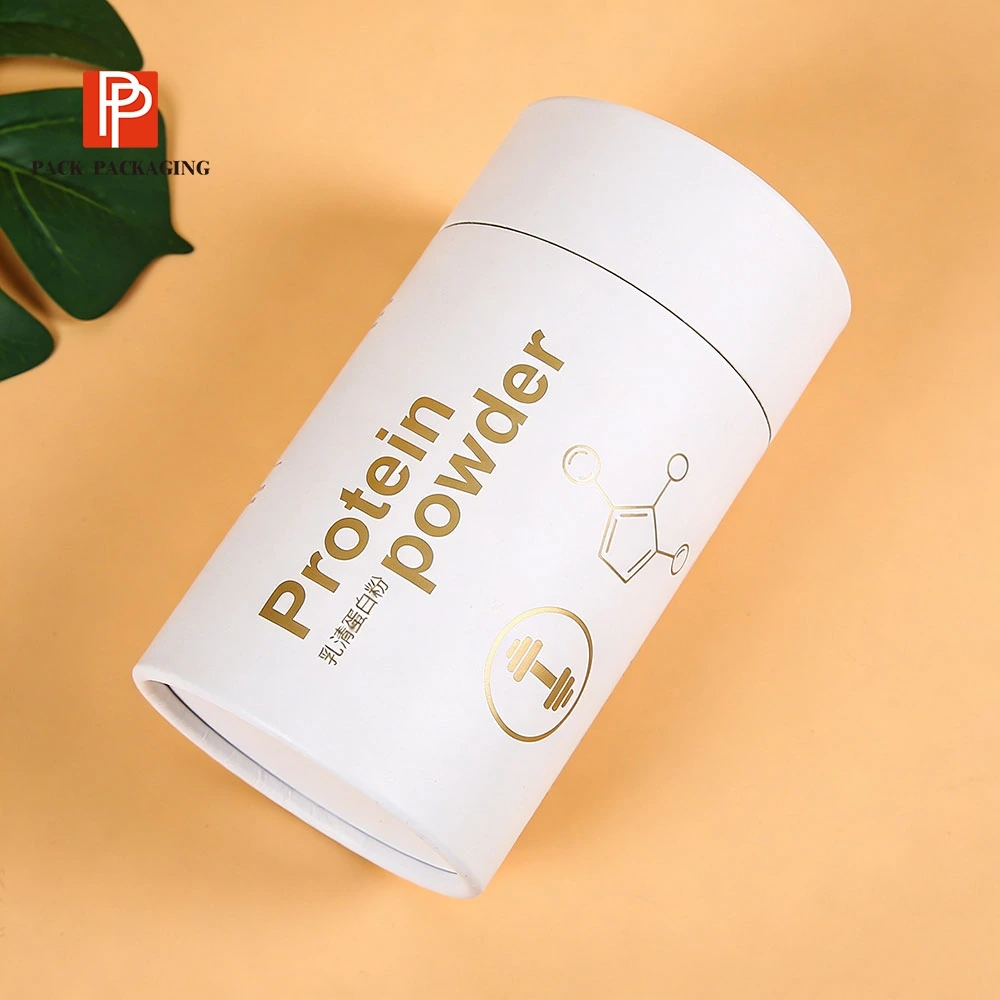
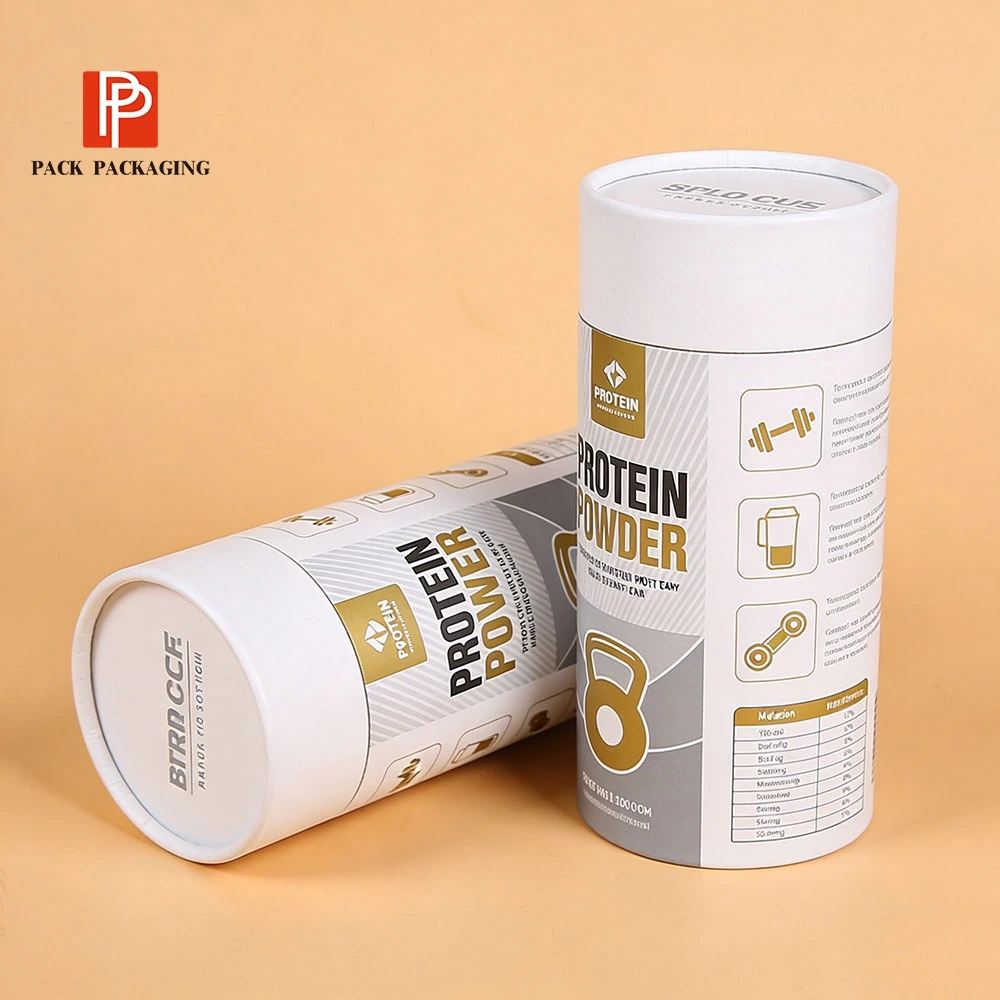
A paper tube is worth sampling when the brand wants an upright pack with a lid customers can reclose between uses. A typical brief might call for 14 filled electrolyte sticks in one tube. Send the packet length, widest sealed edge, maximum filled thickness and count. Ask the converter to quote the tube’s usable inside diameter and height after the lid and base are fitted.
For the first prototype, load all 14 sticks. Close the lid, then remove one stick without pulling several out together. Repeat with the last stick. If the seal catches at the opening, try a larger usable opening or a different loading pattern before approving artwork. Compare the packed tube with a carton holding the same sticks so you can see the differences in assembly, shelf footprint and master carton pack-out.
Pack Packaging offers custom paper tubes for nutrition and supplement projects. Use the product page to start a discussion about tube size, closure and sampling. Explore custom paper tubes for supplements.
Request a quote for a supplement stick-pack tube. Send filled stick dimensions, sticks per tube, order quantity per SKU and delivery destination.
If you already know the fill count, see how to size and test a tube for supplement stick packs.
When a folding carton is the better starting point
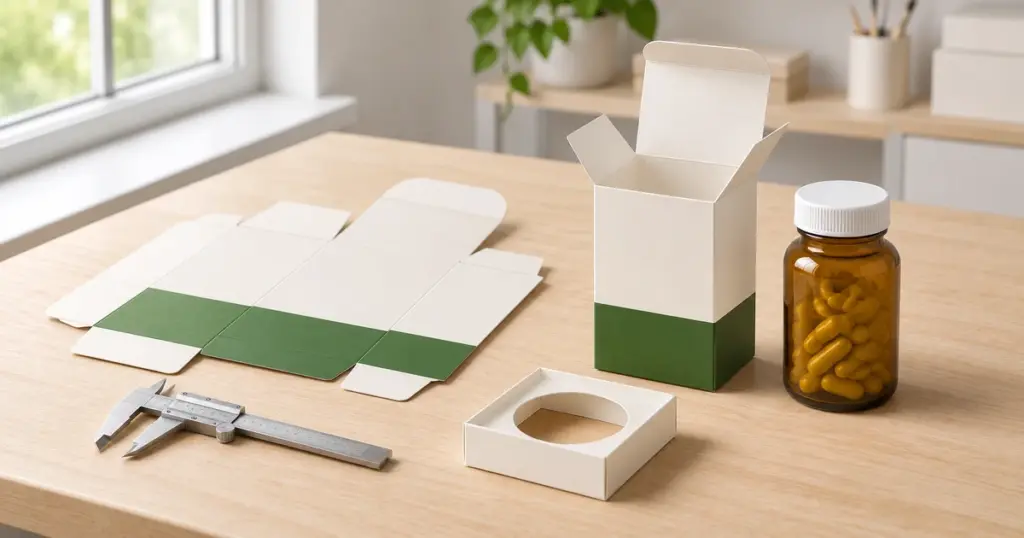
Start with a folding carton when the pack must run on an existing cartoning line, fit a tight rectangular shelf space, or keep a leaflet and bottle in fixed positions. A carton blank can ship flat before it is filled. Ask your co-packer to review the blank, closure and loading orientation before you commit to a production run.
For a bottle, include the finished cap or seal in the product dimensions. A light plastic bottle may work in a tuck-end carton. A heavier glass bottle may justify sampling a more supportive base or an insert. Compare actual filled samples, because closure performance depends on the weight, footprint, board and load path together. Compare folding carton structures for vitamin bottles.
When the supplement touches the package
If the product is loose, have the brand and filling team identify the contact material and closing method. A paper tube designed around sealed stick packs has a different specification from a tube filled directly with powder. For a direct-fill project, discuss the liner, seams and closure as one construction, and agree on how to check the intended shelf life. If the team has already approved a primary pouch or bottle, specify it in the brief and sample the paper outer pack around the sealed unit. Review foil-lined paper tube options.
What to send for a packaging quote
- Product or filled inner pack: dimensions, filled weight and a drawing or sample. Include the cap, packet seals or any protrusions.
- Retail unit: count per pack, quantity per SKU, closure and insert preferences, and any leaflet or label space needed.
- Packing and shipping: hand or machine loading, required master carton information, destination and target arrival date.
- Sample approval: specify whether you need to check product fit, loading speed, consumer access, print and finish, or shipping performance.
If you are comparing a tube with a carton, request both quotes for the same count, quantity and destination. Ask for unit price, tooling, samples and freight as separate items. Compare the time and space needed to pack and ship the retail units as well as the quoted packaging price.
Request a supplement packaging quote from Pack Packaging or view our nutraceutical packaging solutions.