Skip to content
Folding cartons come in different structures, from tuck end and auto bottom cartons to sleeves and specialty designs. This guide explains the main folding carton types, their applications, and how to choose the right option for your product.
Pack Packaging provides custom folding carton solutions with support in carton design, material selection, printing, and production for various industries.
What Is a Folding Carton?

A folding carton is a paperboard package that is manufactured as a flat, die-cut blank and then folded into its final shape during packaging.
Unlike rigid boxes that are produced and shipped in their finished form, folding cartons are designed to be stored and transported flat, helping reduce storage requirements and shipping volume.
Folding cartons are usually made from paperboard packaging materials, a lightweight paper-based material that can be printed, folded, and die-cut into different shapes. They provide a balance between product protection, visual appeal, and cost efficiency, making them one of the most common packaging solutions for high-volume consumer products.
Core Definition and Construction
The production of a folding carton starts with a paperboard sheet that is printed, cut, creased, and folded according to a specific structural design. Common materials include coated paperboard, Solid Bleached Sulfate (SBS), Folding Box Board (FBB), Kraft paperboard, and other grades selected according to product requirements.
The choice of paperboard depends on factors such as:
- Product weight and protection requirements
- Printing and finishing requirements
- Brand positioning
- Sustainability goals
- Production volume
Unlike corrugated shipping cartons, folding cartons are mainly designed for retail packaging and product presentation. Their primary functions are branding, information display, and basic product protection rather than handling heavy transportation conditions on their own.
As a professional folding carton manufacturer, PK Paper Box helps customers select suitable board materials and carton structures based on their product specifications, ensuring the packaging performs properly throughout production, distribution, and retail display.
Comparison with Other Box Types
Folding cartons are often compared with other packaging formats, but each type serves a different purpose.
A folding carton is typically made from paperboard and focuses on retail presentation, while a shipping carton is usually made from corrugated board and is designed for stronger transportation protection.
Rigid boxes, commonly used for luxury products such as premium gifts, electronics, or high-end cosmetics, offer a more substantial structure but generally require more material, higher production costs, and more storage space.
The main advantages of folding cartons include:
- Lightweight construction
- Flat shipping and storage
- Efficient large-scale production
- Flexible printing and finishing options
- Cost-effective customization
For products requiring direct parcel shipping or additional protection, folding cartons are often combined with outer shipping packaging or reinforced structures depending on the application.
Common Structural Styles
Folding cartons are available in many structural designs, each developed for different product requirements, filling methods, and packaging workflows.
Auto Bottom Cartons (Crash Lock Bottom)
Auto bottom cartons feature a pre-glued bottom structure that automatically locks into position when the carton is opened. This design improves assembly efficiency and provides stronger bottom support compared with standard tuck-end cartons.
They are commonly used for products that require additional strength, including:
- Bottles
- Jars
- Heavier cosmetic products
- Specialty consumer goods
For businesses with higher packing requirements, auto bottom cartons can help improve filling efficiency while maintaining reliable structural performance.
Snap-Lock Bottom Cartons (1-2-3 Bottom)
Snap-lock bottom cartons use interlocking flaps that are manually folded into place to create a secure base without adhesive at the filling stage.
This structure provides stronger support than basic tuck-bottom cartons and is suitable for medium-weight products where additional bottom strength is needed.
Folding cartons come in many structural styles, including straight tuck end cartons, reverse tuck end cartons, sleeve boxes, and tray designs. Before exploring specific box styles, it is helpful to understand what folding cartons are and why they are widely used across industries.
Need Custom Folding Carton Solutions?
What Are the Main Types of Tuck-End Cartons?
Tuck-end cartons vary by flap direction and bottom closure. These differences are engineered to balance branding needs, product weight, and packing line speed.
| Carton Type | Structure Features | Common Applications |
|---|---|---|
| Straight Tuck End (STE) Cartons | Top and bottom tuck flaps are positioned on the same side, creating a clean front panel for premium graphics and branding. | Cosmetics, skincare products, personal care items, and small consumer electronics. |
| Reverse Tuck End (RTE) Cartons | Top and bottom tuck flaps are located on opposite sides, offering efficient material usage and cost-effective production. | Pharmaceuticals, health products, food packaging, and general consumer goods. |
| Tuck Top Auto-Bottom (TTAB) Cartons | Combines a tuck top closure with a pre-glued auto-lock bottom for faster assembly and improved bottom strength. | Bottles, jars, beauty products, and specialty retail items. |
| Tuck Top Snap-Lock Bottom Cartons | Uses interlocking bottom flaps to provide stronger support for medium-weight products without requiring adhesive during filling. | Bottled products, household goods, and products requiring additional structural support. |
| Rolled End Tuck Top (RETT) Cartons | Features folded side panels that add rigidity and create a premium appearance with enhanced presentation. | Gift packaging, premium product sets, and specialty retail products. |
What Are Sleeve and Two-Piece Folding Cartons?
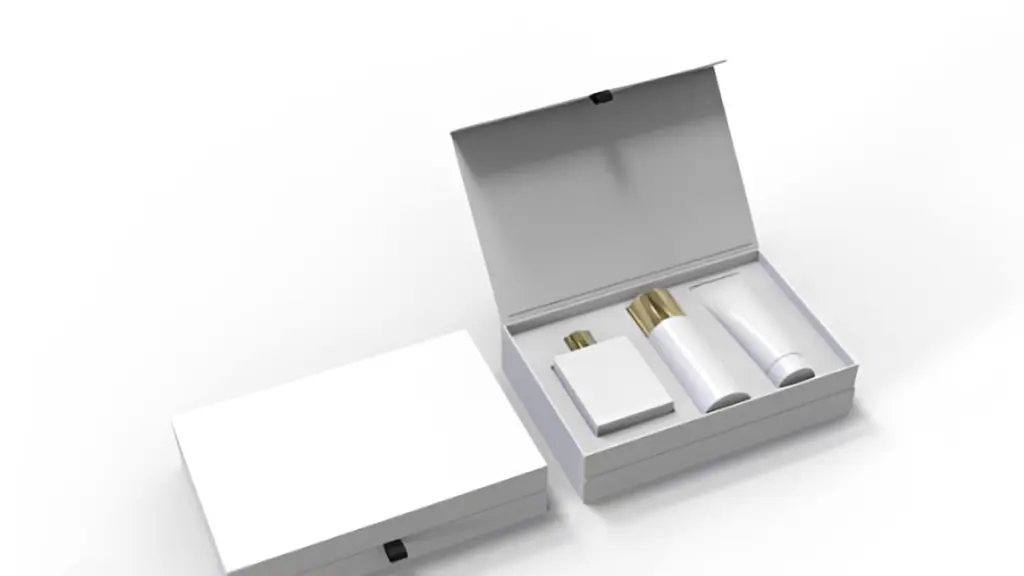
Sleeve and two-piece folding cartons are commonly used when brands want to create a more distinctive product presentation while maintaining the flexibility of paperboard packaging.
Unlike standard folding cartons with an integrated structure, these designs use separate components to improve appearance, organization, or product presentation.
Sleeve Folding Cartons
Sleeve cartons consist of a paperboard sleeve that slides over an inner tray, box, or product package. They are often used as an additional branding layer rather than the main protective structure.
Common applications include:
- Cosmetic sets
- Food gift packaging
- Electronics accessories
- Promotional product bundles
Sleeve cartons provide extra space for printing and finishing while using less material than a fully enclosed box structure, making them a practical choice for brands looking to enhance presentation.
Two-Piece Folding Cartons
Two-piece cartons typically include a separate lid and base, creating a more structured packaging format. They are commonly selected for products where the packaging experience and appearance are important.
Typical applications include:
- Premium cosmetics
- Gift sets
- Specialty consumer products
Compared with standard folding cartons, two-piece designs provide a more substantial feel and are often combined with custom inserts or special finishes to create a higher-end presentation.
The right choice between sleeve and two-piece cartons depends on factors such as product type, presentation requirements, budget, and production needs.
Sleeve vs. Two-Piece Folding Cartons: Key Differences
Sleeve and two-piece folding cartons can both enhance product presentation, but they are designed for different packaging needs. The main differences are their structure, level of enclosure, and the type of product experience they create.
Sleeve cartons use a sliding sleeve around an inner tray or existing package. They are a flexible option for brands that need additional branding space or a more attractive outer layer without adding a fully enclosed box structure.
Two-piece cartons, on the other hand, consist of a separate lid and base. This design provides a more complete packaging format and is often chosen for products where opening experience and premium presentation are important.
In general:
- Sleeve cartons are suitable for product bundles, gift sets, and applications where visual enhancement is the main goal.
- Two-piece cartons are better suited for premium products that require a more structured package and a stronger unboxing experience.
The right choice depends on factors such as product type, packaging requirements, target market, and budget. A custom packaging manufacturer can help evaluate the structure and recommend a suitable solution.
What Are Window, Display, and Hanging Cartons?
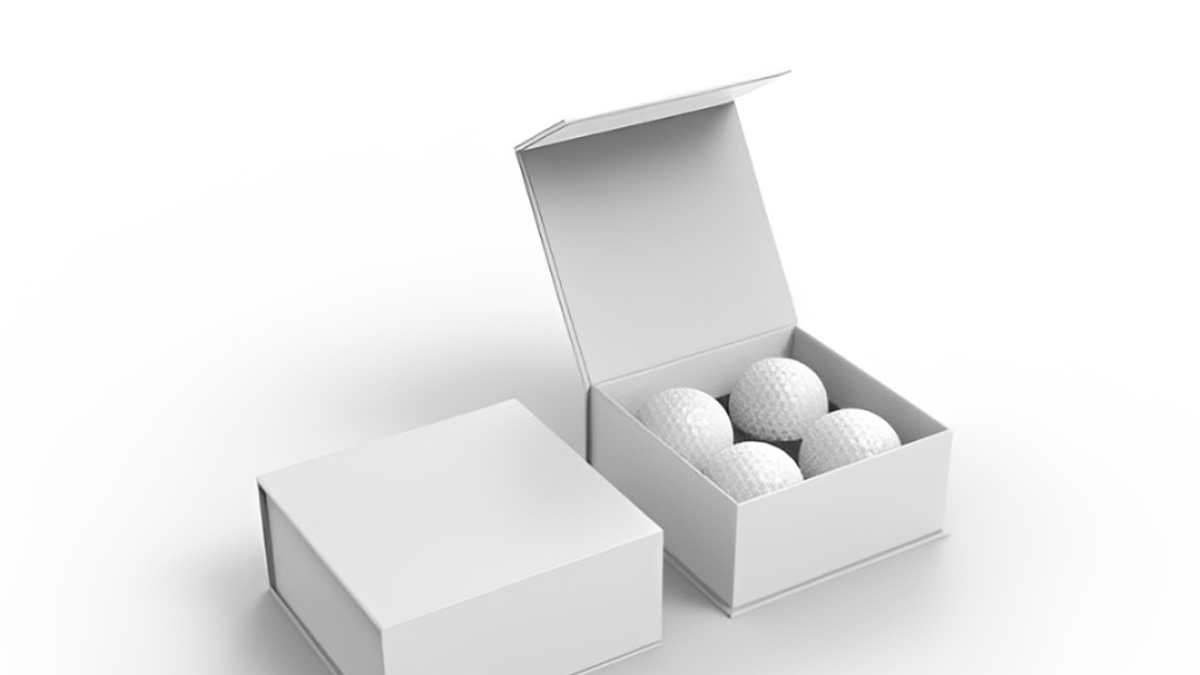
Window, display, and hanging cartons are customized folding carton styles designed to improve product visibility and retail presentation. These features can be added to different carton structures depending on the product, sales channel, and display requirements.
Window Cartons
Window cartons include a transparent opening that allows customers to see part of the product before purchase. They are commonly used for cosmetics, food, toys, and gift packaging where product appearance influences buying decisions.
Key considerations include:
- Window size and placement
- Carton strength
- Material and film selection
A well-designed window carton should balance product visibility with structural stability.
Display Cartons
Display cartons are designed to improve shelf presentation and make products easier to merchandise. They are often used for snacks, supplements, cosmetics, and small consumer products.
Common designs include:
- Open-front displays
- Counter display cartons
- Shelf-ready packaging
These structures help brands improve product visibility while supporting efficient retail handling.
Hanging Cartons
Hanging cartons include features such as euro slots or hanging tabs, allowing products to be displayed on retail hooks. They are commonly used for electronics accessories, beauty tools, and small consumer goods.
When designing hanging cartons, manufacturers need to consider the product weight, carton material, and hanging strength to ensure reliable display performance.·
How to Choose a Folding Carton for Your Packaging Process
The carton structure should not only match the product but also work smoothly with the packing process. A design that fits the production workflow can help improve efficiency, reduce handling issues, and maintain consistent packaging quality.
Manual Packing
For products packed by hand, cartons should be easy to assemble, close, and handle during filling.
Common options include:
- Tuck end cartons for lightweight products
- Snap-lock bottom cartons when additional support is needed
- Auto bottom cartons for faster carton setup
The right choice depends on the product weight, packing speed, and required carton strength.
Automated Packaging
For automated packing lines, carton design needs to be compatible with the equipment and production requirements. Consistent dimensions, reliable folding performance, and suitable closure structures are important factors.
Commonly used structures include:
- Tuck end cartons
- Auto bottom cartons
- Seal-end cartons
During the design stage, packaging manufacturers usually consider the filling process, machine requirements, and production volume to ensure the carton performs well in actual operations.
Consider Product and Packaging Requirements
A carton designed for high-speed production may require a different structure from one focused on premium presentation. For example, auto bottom cartons can improve packing efficiency for heavier products, while sleeve or two-piece cartons may be selected when appearance is the priority.
Choosing the right carton structure early in the design process helps ensure better performance, efficient production, and a packaging solution that meets your market needs. Contact the Pack Packaging team to explore custom folding carton options for your products.
However, carton performance also depends on material selection, printing processes, and manufacturing methods. Learn more about the folding carton manufacturing process in our production guide.
Frequently Asked Questions
What are the most common types of folding cartons?
The most common types of folding cartons are tuck end cartons (straight and reverse), bottom-closure cartons (auto-lock and snap-lock), and two-piece or sleeve cartons. Each style is optimized for different product weights, filling methods, and shelf presentation requirements.
What is the difference between a straight tuck end and a reverse tuck end box?
The main difference is flap orientation. In a straight tuck end (STE) carton, both top and bottom flaps are on the same panel, creating a seamless front face ideal for graphics. In a reverse tuck end (RTE) carton, flaps are on opposite panels, which allows for more efficient material use and a lower manufacturing cost.
Which folding carton style is best for heavy products?
For heavy products, the best styles are those with reinforced bottoms, such as auto-lock bottom (or crash-lock) and snap-lock bottom (or 1-2-3 bottom) cartons. These structures provide superior load-bearing capacity compared to standard tuck-end styles.
What type of folding carton is suitable for automated packaging lines?
Cartons well-suited for automation include reverse tuck end (RTE), straight tuck end (STE), auto-lock bottom, and seal-end styles. The best choice depends on the specific cartoning equipment, as each style is designed for reliable performance in high-speed erecting, filling, and closing operations.
Can folding cartons include windows, inserts, or hanging tabs?
Yes, folding cartons can be customized with a variety of features. Windows provide product visibility, inserts offer protection and organization for fragile or multi-part items, and hanging tabs allow for retail peg-hook displays. These features are often combined in a single design.
How do I choose the right folding carton style for my product?
To choose the right style, evaluate your product’s weight, fragility, and dimensions. Then consider your packing process (manual vs. automated), retail display needs, and budget. Lighter items often suit tuck-end styles, while heavier or fragile products benefit from stronger auto-lock or snap-lock bottoms.
Final Thoughts
Choosing the right folding carton depends on your product requirements, packing process, and presentation goals. Understanding the differences between carton structures helps you select a solution that balances protection, efficiency, and appearance.
Pack Packaging offers custom folding carton solutions tailored to different product and packaging needs. Contact our team to find the right carton structure for your application.