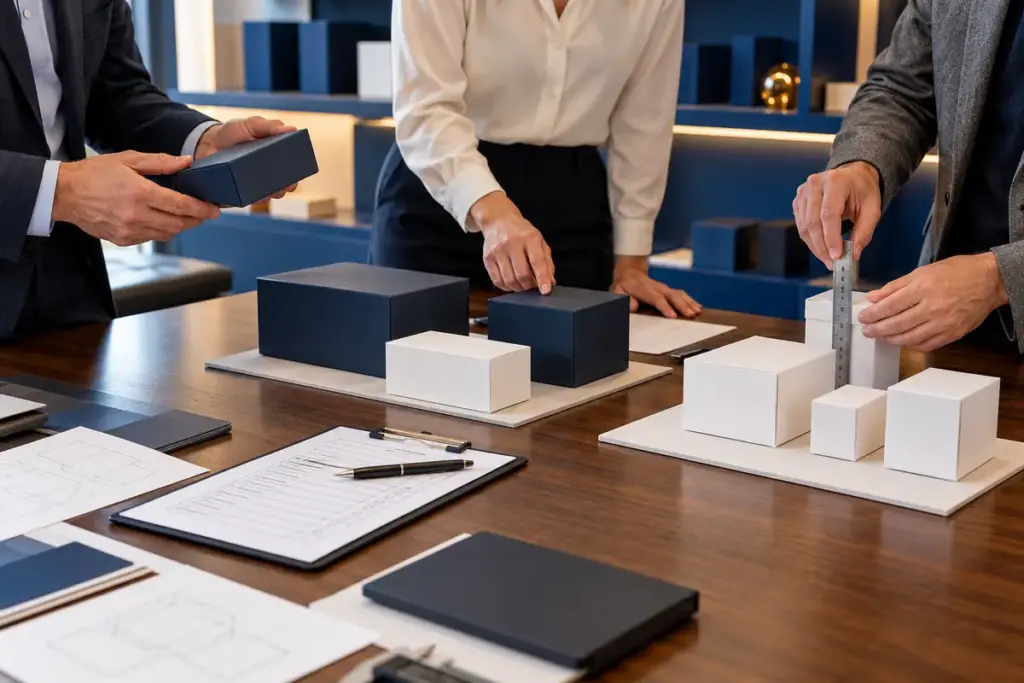
If you have ever requested quotes from several packaging suppliers, you may have noticed something confusing: the same-looking paper tube can receive very custom paper tube packaging cost.
That is because custom paper tube packaging cost is not determined by one simple number. Diameter, height, wall thickness, outer paper, inner liner, lid structure, insert, printing, finishing, MOQ and even the way the finished tubes are packed for shipping can all change the final unit price.
So, instead of asking only, “How much is one paper tube?”, buyers usually get a better answer by asking, “What specification gives my product enough protection and the right presentation at the most efficient cost?”
This guide explains exactly where the money goes.
What Is Custom Paper Tube Packaging?
Custom paper tube packaging is a cylindrical paperboard package manufactured according to a specific product size, structure, material, artwork and application.
Unlike a standard stock tube, the diameter and height can be developed around the actual product. In addition, brands can choose the lid, bottom, liner, insert, printing and surface finish.
Typical applications include:
- Perfume
- Skincare
- Cosmetics
- Tea
- Coffee
- Chocolate
- Candy
- Snacks
- Candles
- Gifts
- Toys
- Jewelry
- Solid cosmetics
Naturally, a lightweight tea tube will not cost the same as a heavy perfume tube with a custom EVA insert and hot-stamped specialty paper.
Therefore, custom paper tube packaging cost should always be evaluated against the complete specification.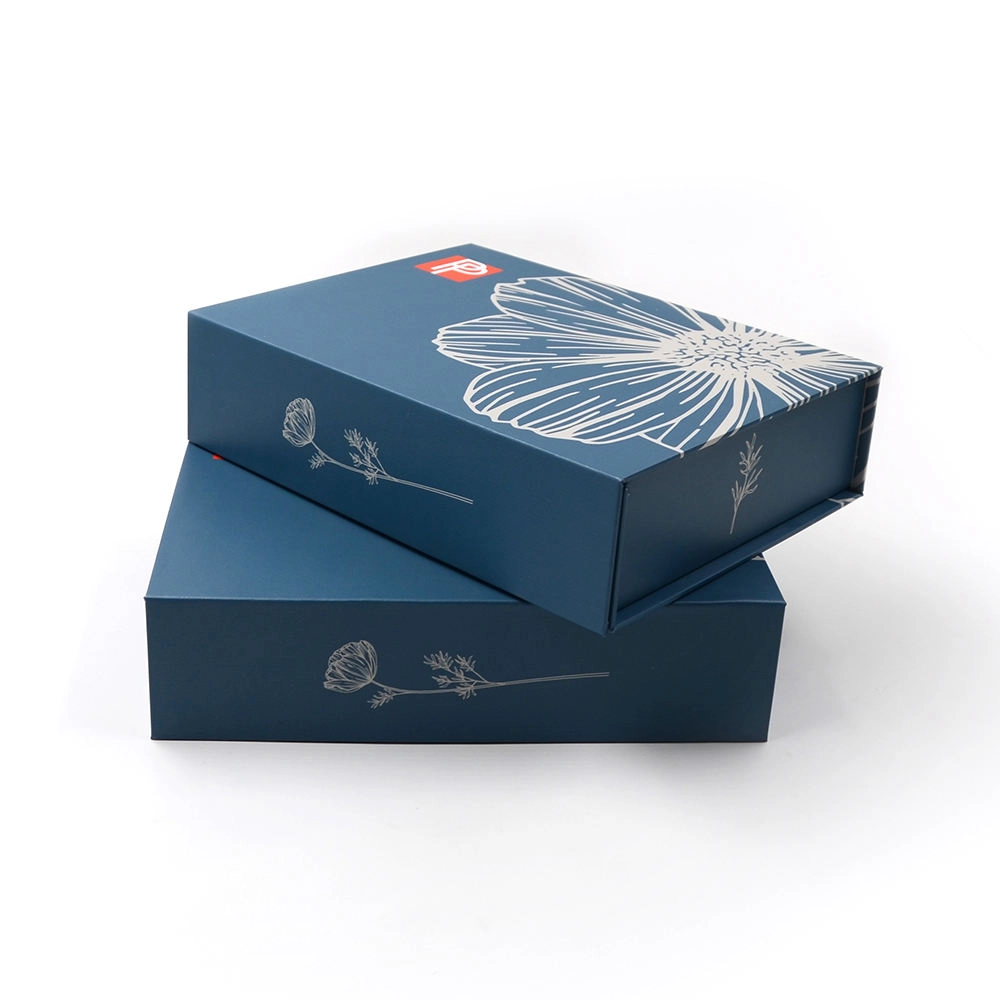
The Short Answer: What Determines the Price?
There is no universal unit price for a fully custom tube.
Instead, the quotation normally depends on eight main areas:
- Size
- Wall thickness
- Material
- Structure
- Insert
- Printing and finishing
- Order quantity
- Packing and shipping
A simple kraft tube with standard printing may sit at the lower end of a supplier’s production cost.
By contrast, a luxury telescopic tube using specialty paper, an EVA insert, hot stamping, embossing and soft-touch lamination requires more materials, tooling and production steps.
As a result, two paper tubes with similar outside dimensions may have very different prices.
How Size Affects Cost
Size is one of the first variables affecting custom paper tube packaging cost.
A larger diameter uses more structural paperboard and more outer wrapping paper. Likewise, a taller tube requires more material and can increase carton volume during shipping.
Diameter
A wider tube may require:
- More paperboard
- A larger lid
- A larger bottom
- More liner material
- Larger inserts
- Larger shipping cartons
However, using the smallest possible diameter is not always correct.
The product still needs sufficient clearance for filling, inserts and removal.
Height
Extra height increases paper consumption and shipping volume.
For example, leaving 30 mm of unnecessary empty space above a product may look harmless in a sample. Yet across thousands of units, that space increases material consumption and carton volume.
Therefore, efficient sizing is one of the easiest ways to control cost.
Standard vs Custom Dimensions
If a factory already has suitable tooling or production settings for a common diameter, the project may be simpler.
A highly unusual diameter may require additional setup or tooling, depending on the manufacturing process.
Still, brands should not force a product into a poorly fitting standard tube simply to reduce setup cost.
Paper Tube Thickness and Cost
Wall construction also affects custom paper tube packaging cost.
A paper tube is normally built from several spiral-wound paperboard layers. Increasing the wall thickness means more structural material.
However, thicker does not automatically mean better.
A tube that holds individually wrapped tea bags does not need the same rigidity as one holding a heavy glass candle jar.
Factors That Influence Required Thickness
The supplier should consider:
- Product weight
- Tube diameter
- Tube height
- Insert design
- Lid structure
- Bottom construction
- Stacking pressure
- Transportation method
If the tube is over-engineered, you pay for material you may not need.
On the other hand, reducing thickness too aggressively can lead to:
- Deformation
- Loose lids
- Damaged products
- Poor shelf appearance
- Higher reject rates
The goal is therefore optimized thickness, not maximum thickness.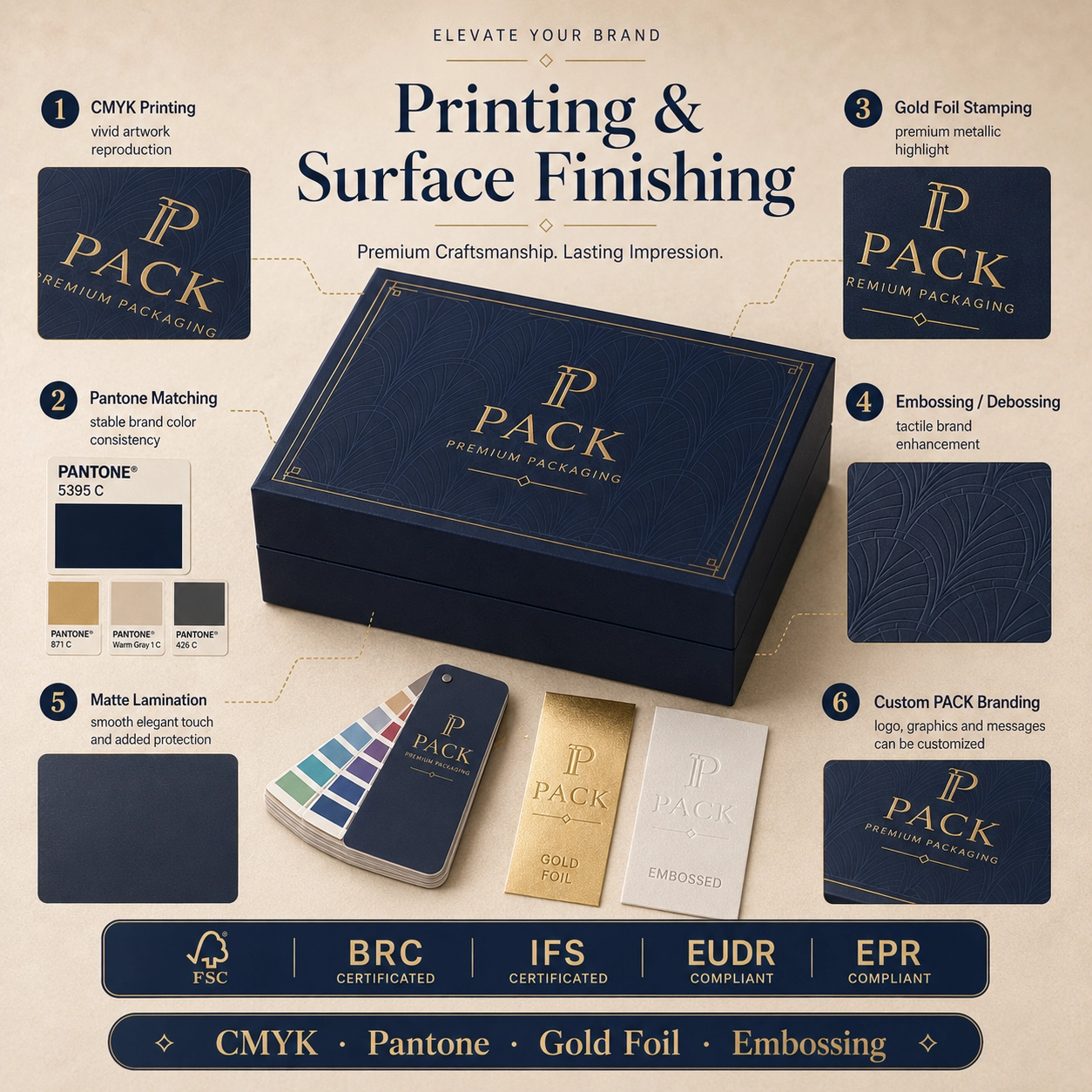
Material Options
Material selection has a major influence on both price and appearance.
Kraft Paper
Kraft paper is often selected for natural, organic and minimalist brands.
It works well for:
- Tea
- Coffee
- Snacks
- Candles
- Natural skincare
- Sustainable gift packaging
Simple printing on kraft can be relatively efficient because the material already provides visual character.
However, adding white ink, foil stamping or special coating will increase production complexity.
Art Paper
Coated art paper is widely used for custom printed paper tubes.
It supports:
- CMYK printing
- Pantone colors
- Fine text
- Photography
- Illustrations
- Gradients
It is a flexible choice for retail products because buyers can add matte, gloss or soft-touch lamination afterward.
Specialty Paper
Specialty paper generally increases custom paper tube packaging cost because the material itself can be more expensive and may require more careful production.
Options include:
- Textured paper
- Linen paper
- Pearlized paper
- Metallic paper
- Dyed-through paper
- Leather-look paper
Nevertheless, specialty paper can reduce the need for multiple decorative processes.
For example, a textured cream paper with one small gold-foil logo may feel more premium than ordinary art paper with several complicated finishes.
Food-Grade Inner Materials
Food tubes may require:
- Food-grade paper
- PE-coated paper
- Grease-resistant paper
- Aluminum foil laminate
- Metallized film
- Sealed inner bags
These components increase material cost, but they may be necessary for product safety or barrier performance.
Therefore, a food-grade tube should not be compared directly with a decorative gift tube that has no food-contact requirements.
Structure Options and Their Cost Impact
Structure is another major factor behind custom paper tube packaging cost.
Standard Lid-and-Base Tube
A simple paper lid and base are usually among the more straightforward structures.
This format can work for:
- Gifts
- Wrapped snacks
- Tea
- Small accessories
- Secondary packaging
Shoulder-Neck Tube
A shoulder-neck structure includes an internal neck that extends above the main body.
It creates better lid alignment and a more premium opening experience.
However, it also requires additional material and assembly compared with a basic tube.
Telescopic Tube
A telescopic tube uses a longer upper lid and a shorter lower base.
This structure is popular for:
- Perfume
- Candles
- Skincare
- Premium gifts
Because both sections require accurate fit and finishing, the production process is usually more involved than a basic paper can.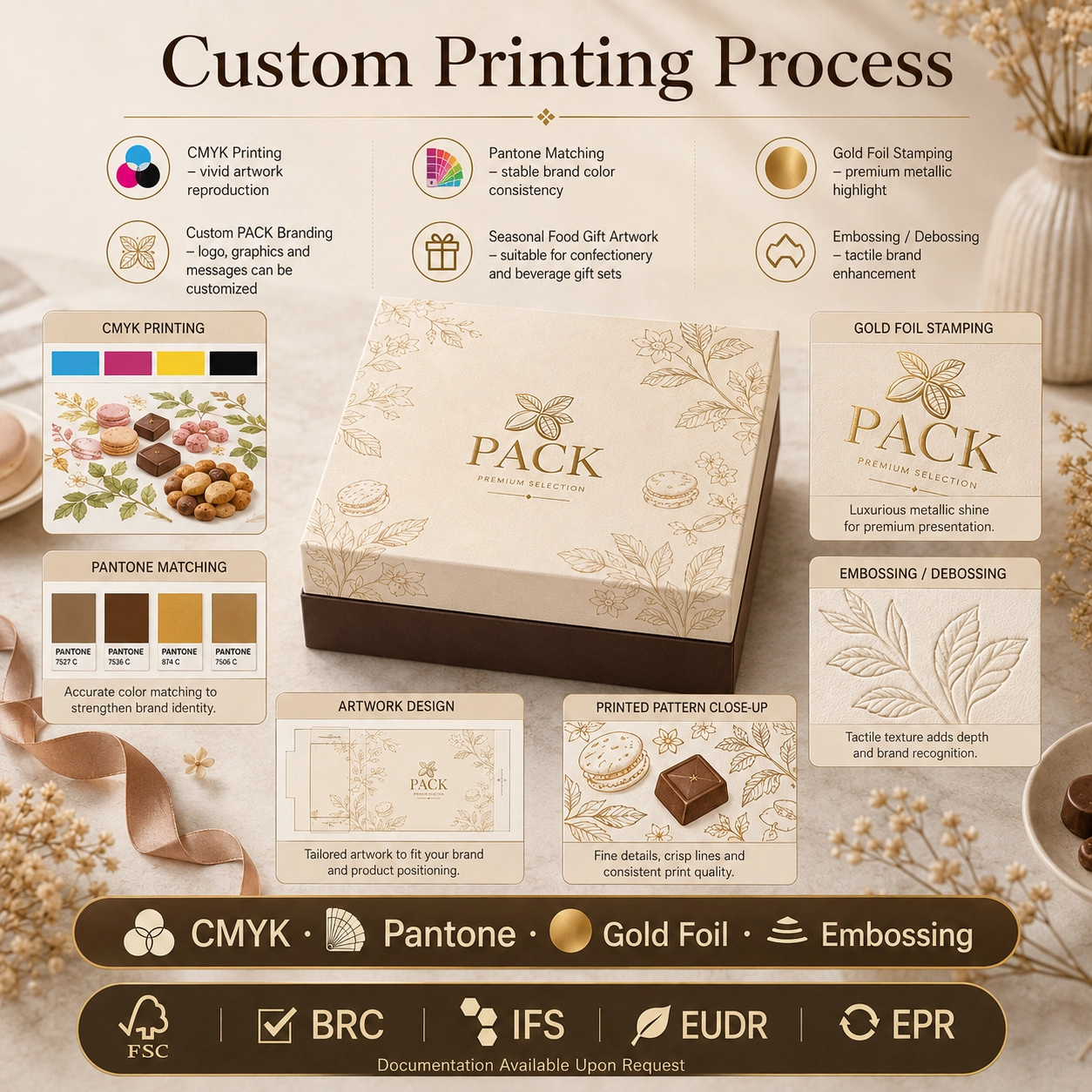
Window Tube
A transparent or open window introduces additional steps.
Potential costs include:
- Window tooling
- Cutting
- Clear film
- Film attachment
- Additional inspection
A custom-shaped window may cost more than a simple rectangular or oval opening.
Push-Up Tube
Push-up tubes need a functioning internal platform.
Therefore, the dimensions and tolerances require more precision than ordinary packaging.
Twist-Up Tube
Twist-up mechanisms are even more structure-sensitive.
Additional components and tighter tolerances usually increase manufacturing complexity.
Sleeve Structure
A sleeve adds another printed component.
However, it can sometimes be economical for brands that use one base tube with several flavors or product variants.
The Cost of Inserts
For bottles, jars and fragile products, inserts can strongly affect custom paper tube packaging cost.
The insert does more than make the package look better. It helps prevent product movement.
Cardboard Insert
Paperboard inserts are often economical and visually consistent with paper packaging.
They work well for:
- Lightweight bottles
- Jars
- Gift products
- Product sets
Molded Pulp
Molded pulp provides a fiber-based support option.
However, custom molds and minimum-order requirements can increase initial development cost.
EVA
EVA offers precise positioning and a premium appearance.
It is commonly used for:
- Perfume
- Skincare
- Jewelry
- Premium gifts
A thick, precision-cut EVA insert typically costs more than a simple folded-paper insert.
EPE Foam
EPE provides cushioning for fragile products.
It can be useful for shipping protection, although the visual appearance may be less premium unless it is covered.
Blister or Plastic Tray
Plastic trays can provide accurate product positioning.
However, tooling and material considerations should be evaluated carefully.
One Insert or Two?
Some tall bottles require support at both the bottom and neck.
Although two-level support increases component cost, it may reduce transport damage.
Therefore, the cheapest insert is not always the lowest-cost solution overall.
Printing Options
Printing is another component of custom paper tube packaging cost.
CMYK Printing
CMYK is suitable for:
- Multi-color artwork
- Photography
- Gradients
- Detailed illustrations
The cost becomes more efficient at larger quantities because setup costs are spread across more units.
Pantone Printing
Pantone printing is useful when exact brand colors matter.
A design using one or two solid Pantone colors may be efficient for minimalist packaging.
However, combining several Pantone colors with CMYK increases production complexity.
One-Color Printing
For kraft packaging, one-color printing can provide strong branding at a relatively controlled cost.
Simple designs are often especially effective for tea, coffee and natural products.
Finishing Options and Cost
Finishing is where luxury packaging can become significantly more expensive.
However, it is also where buyers have the most flexibility.
Hot Stamping
Hot stamping requires a stamping die and foil.
Gold, silver, copper and colored foils are common.
The price can depend on:
- Foil area
- Die size
- Number of foil colors
- Registration requirements
- Order quantity
A small logo is usually more economical than a full-body foil pattern.
Embossing
Embossing requires custom tooling.
It adds tactile depth to logos and patterns.
When embossing must align perfectly with foil stamping, production becomes more demanding.
Debossing
Debossing also requires tooling but can create a refined result without metallic foil.
For minimalist brands, this may offer strong visual value without adding several finishing processes.
Spot UV
Spot UV creates glossy contrast.
It is especially effective over matte surfaces.
However, additional screens, plates or registration steps increase production complexity.
Matte Lamination
Standard matte lamination is popular for premium packaging.
It reduces glare and creates a calm appearance.
Gloss Lamination
Gloss lamination increases color saturation and shine.
It works well for colorful retail products.
Soft-Touch Lamination
Soft-touch film costs more than standard lamination but provides a velvety feel.
Anti-Scratch Film
Dark packaging often benefits from anti-scratch lamination.
Although the film costs more, it may reduce scuffed or rejected units.
How MOQ Changes the Unit Price
Order quantity is one of the strongest drivers of custom paper tube packaging cost.
Custom packaging includes many setup costs, such as:
- Printing setup
- Die-cut tooling
- Foil dies
- Embossing dies
- Material preparation
- Machine setup
- Sample development
Those costs must be spread across the total order quantity.
Low Quantity
At lower quantities, setup cost represents a larger portion of each unit.
Therefore, the unit price is normally higher.
Low-MOQ production can still make sense for:
- New product launches
- Market tests
- Startup brands
- Limited editions
- Seasonal collections
Medium Quantity
As quantity increases, setup costs are divided across more units.
This often creates a more attractive unit price.
Large Quantity
At high volume, material purchasing and production efficiency may improve further.
However, buyers should also consider inventory risk.
Ordering more packaging only to get a lower unit cost can become expensive if the design or product changes later.
Sample Cost
Before mass production, most custom projects should go through sampling.
Sample types may include:
- Plain structural sample
- Digital printed sample
- Fully finished sample
- Pre-production sample
A simple structural sample is generally less expensive than a sample containing:
- Specialty paper
- Hot stamping
- Embossing
- Spot UV
- Custom inserts
Still, skipping a sample to save money can create much larger losses later.
A physical sample lets buyers check:
- Product fit
- Tube diameter
- Height
- Lid friction
- Insert fit
- Color
- Printing
- Finish
- Opening experience
Tooling Costs
Tooling can also affect the first-order price.
Potential tooling includes:
- Cutting dies
- Hot-stamping plates
- Embossing dies
- Window dies
- Molded insert tooling
- Special closure tooling
Some tooling can be reused for repeat orders if the design does not change.
Therefore, repeat-order pricing may differ from the first order.
Packing and Shipping Cost
Buyers sometimes focus entirely on factory unit price.
However, shipping can significantly affect the landed custom paper tube packaging cost.
Paper tubes are rigid, which means they occupy more volume than flat folding cartons.
Shipping cost depends on:
- Tube diameter
- Tube height
- Carton quantity
- Carton dimensions
- Gross weight
- Shipping method
- Destination
Air Freight
Air shipping is fast but usually expensive for bulky packaging.
Therefore, it is often used for:
- Samples
- Urgent launches
- Small orders
Sea Freight
Sea shipping is generally more economical for larger orders.
However, brands must allow additional lead time.
Optimizing Shipping
Packaging suppliers can sometimes reduce shipping volume by optimizing:
- Tube dimensions
- Carton layout
- Carton quantities
- Component packing
Nevertheless, finished rigid tubes cannot usually be flattened like folding cartons.
Therefore, logistics should be considered during the design stage.
Cost Comparison by Packaging Specification
Rather than using fixed prices, buyers can think about projects in relative cost levels.Packaging SpecificationRelative CostKraft tube + simple printingLowerArt paper + CMYK + matte filmLow–MediumFood-grade liner + custom printingMediumWindow tube + printingMediumTube + cardboard insertMediumSpecialty paper + foilMedium–HighTube + EVA insert + hot stampingHighTelescopic tube + premium insert + multiple finishesHigher
These levels are only a practical comparison.
Final pricing still depends on size, quantity and production details.
How to Reduce Cost Without Making Packaging Look Cheap
This is where thoughtful packaging development can make a big difference.
1. Optimize the Size
Do not leave unnecessary space around the product.
Smaller packaging can reduce:
- Paper use
- Insert size
- Carton volume
- Shipping cost
2. Simplify the Finish
Instead of using:
CMYK + gold foil + silver foil + embossing + spot UV
consider:
Pantone + matte film + one gold-foil logo
The second option may actually look more premium because the design is cleaner.
3. Use Specialty Paper Strategically
A good textured paper can replace several decorative effects.
4. Optimize the Insert
If cardboard provides enough protection, you may not need EVA.
On the other hand, do not remove cushioning simply to save a few cents if product damage will increase.
5. Use One Structure Across Several SKUs
Brands with multiple flavors or fragrances can sometimes use one tube size and change only:
- Artwork
- Labels
- Sleeves
- Inserts
This can simplify inventory and production.
6. Increase Quantity Carefully
A larger MOQ may reduce unit price.
However, purchase only the quantity that makes sense for your forecast.
Common Applications
The final custom paper tube packaging cost also changes according to application because different products have different protection and compliance requirements.
Perfume
Typical requirements may include:
- Rigid wall
- Specialty paper
- EVA insert
- Hot stamping
- Premium lid structure
As a result, perfume tubes often sit toward the higher end of customization complexity.
Skincare
Skincare may use:
- Art paper
- Matte lamination
- Cardboard or EVA insert
- Spot UV
- Foil stamping
Tea
Tea tubes can remain relatively simple when tea is already sealed inside an inner pouch.
Kraft paper and simple printing can create a premium natural appearance without excessive finishing.
Coffee
Coffee may require an inner high-barrier pouch.
The tube then functions as rigid secondary packaging.
Chocolate and Candy
Food-contact liners, windows, trays and inserts can increase cost depending on the product.
Candles
Heavy glass jars often need stronger walls and fitted inserts.
Therefore, product weight must be considered before selecting materials.
Compliance & Sustainability
Compliance should be included in the project from the beginning rather than added after the quotation.
FSC
FSC-certified paper can support responsible fiber sourcing when the selected paper and chain-of-custody conditions apply.
Food Contact
Food projects may require:
- Food-contact declarations
- Migration testing
- Material reports
- Ink and adhesive information
- Traceability documentation
BRC and IFS
Depending on the buyer and market, BRC-related or IFS-related packaging documentation may be requested.
EUDR
European projects may need to evaluate EUDR obligations based on the materials, product category and role of the business.
EPR
Packaging producer-responsibility requirements can also affect brands selling into certain markets.
Sustainability
A responsible packaging strategy should consider:
- Right-sizing
- Material efficiency
- FSC-certified fiber
- Recycled content
- Removable inserts
- Reduced plastic
- Clear recycling guidance
Importantly, the cheapest package is not always the most sustainable.
If weak packaging causes damaged products or high rejection rates, the total environmental and financial cost may actually increase.
How to Customize and Get an Accurate Quote
The fastest way to receive an accurate quotation is to provide complete information.
Step 1: Tell Us the Product
Share:
- Product type
- Product size
- Product weight
- Application
Step 2: Confirm the Tube Size
Provide:
- Diameter
- Height
- Required capacity
If you do not know the tube dimensions, send the product dimensions or a physical sample.
Step 3: Select the Structure
Choose:
- Standard lid
- Shoulder neck
- Telescopic structure
- Window
- Push-up
- Twist-up
- Sleeve
Step 4: Select Materials
Confirm:
- Kraft paper
- Art paper
- Specialty paper
- Food-grade liner
- Foil liner
Step 5: Confirm the Insert
Choose:
- No insert
- Cardboard
- Molded pulp
- EVA
- EPE
- Plastic tray
Step 6: Select Printing and Finishing
Provide your requirements for:
- CMYK
- Pantone
- Hot stamping
- Embossing
- Debossing
- Spot UV
- Matte lamination
- Gloss lamination
- Soft-touch lamination
Step 7: Send the Quantity
For example:
- 500 pcs
- 1,000 pcs
- 5,000 pcs
- 10,000 pcs
- 50,000 pcs
Quantity is essential for accurate costing.
Step 8: Send Artwork
Editable AI, PDF or EPS artwork helps the supplier evaluate printing and finishing areas.
Step 9: Confirm Target Market
Tell the supplier whether the packaging will be sold in:
- EU
- UK
- USA
- Canada
- Australia
- Other markets
This information may affect documentation requirements.
Step 10: Confirm Delivery Requirement
Provide:
- Required delivery date
- Shipping destination
- Preferred shipping method
Only after these details are known can the supplier calculate an accurate quotation.
Related Products: Custom Paper Tubes / Food Packaging / Cosmetic Packaging
Why Choose Pack Packaging?
Pack Packaging develops custom paper tubes from structural design through mass production.
Our manufacturing facility covers 20,000㎡, including a 2,000㎡ food-grade workshop. In addition, monthly paper tube production capacity exceeds 10,000,000 pieces, allowing us to support both growing brands and large-volume purchasing programs.
Our 20+ member design team can assist with:
- Tube sizing
- Structural design
- Wall thickness
- Material selection
- Food-grade liners
- Insert development
- Artwork
- Printing
- Finishing
- Sample development
- Cost optimization
- Export packing
When calculating custom paper tube packaging cost, our team looks at the complete specification rather than quoting only the outside diameter and height.
OEM and ODM capabilities include:
- Custom diameter and height
- Kraft paper
- Art paper
- Specialty paper
- Food-grade liners
- Foil liners
- Paper lids
- Shoulder-neck structures
- Telescopic structures
- Window structures
- Push-up tubes
- Twist-up tubes
- Cardboard inserts
- Molded-pulp inserts
- EVA inserts
- EPE inserts
- CMYK printing
- Pantone printing
- Hot stamping
- Embossing
- Debossing
- Spot UV
- Matte lamination
- Gloss lamination
- Soft-touch lamination
- Anti-scratch lamination
- Structural samples
- Printed samples
- Quality inspection
- Export packing
Depending on the project, available supporting documents may include FSC, food-contact reports, BRC-related documents, IFS-related documents, RoHS 2.0, REACH-SVHC and EPR support information.
Exact documentation should always be confirmed against the final production materials and destination market.
Frequently Asked Questions
1. Why do paper tube prices vary so much between suppliers?
Quotes may use different wall thicknesses, papers, liners, inserts, closures, finishing processes and packing methods. Therefore, compare the complete specifications rather than only the unit price.
2. Does a higher MOQ reduce the price?
Usually, increasing quantity can reduce the unit cost because setup and tooling expenses are spread across more pieces. However, the exact reduction depends on materials and production processes.
3. Is kraft paper cheaper than specialty paper?
In many projects, standard kraft is more economical than premium textured or metallic specialty papers. Nevertheless, the printing and finishing requirements also influence total cost.
4. How much does hot stamping add to the price?
The cost depends on foil area, die size, number of foil colors and quantity. A small logo normally costs less than a large full-surface foil pattern.
5. Are custom inserts expensive?
It depends on the material. Simple cardboard inserts are usually more economical, whereas EVA, molded pulp or custom trays can require additional tooling and processing.
6. Are samples free?
Sample policies vary according to structure and finishing. Existing stock samples may be inexpensive or available under certain conditions, while fully customized printed samples require material, tooling and production work.
7. What information do you need for an exact quote?
Send product dimensions, tube size, quantity, material, structure, insert requirements, printing, finishing, target market and delivery destination.
8. How can I reduce my custom paper tube packaging cost?
The most effective methods are usually right-sizing the package, simplifying finishing, selecting an appropriate insert, using efficient materials and choosing an order quantity that matches your real sales forecast.
Explore More Custom Packaging Solutions
Looking for more packaging options? Discover our complete range of custom packaging products designed for different industries and applications.
Folding Boxes – Lightweight and fully customizable cartons for retail packaging.
Rigid Boxes – Premium rigid gift boxes for luxury brands.
Corrugated Boxes – Durable shipping and e-commerce packaging solutions.
Child Resistant Boxes – Secure packaging for regulated products.
Accessories – Custom inserts, tissue paper, ribbons, labels, and more.
Paper Tubes – Explore our dedicated collection of custom paper tube packaging for tea, coffee, cosmetics, candles, spirits, and other premium products on our specialized website.
Need custom packaging? Contact our team today for a free quote and expert consultation.