Saltar al contenido
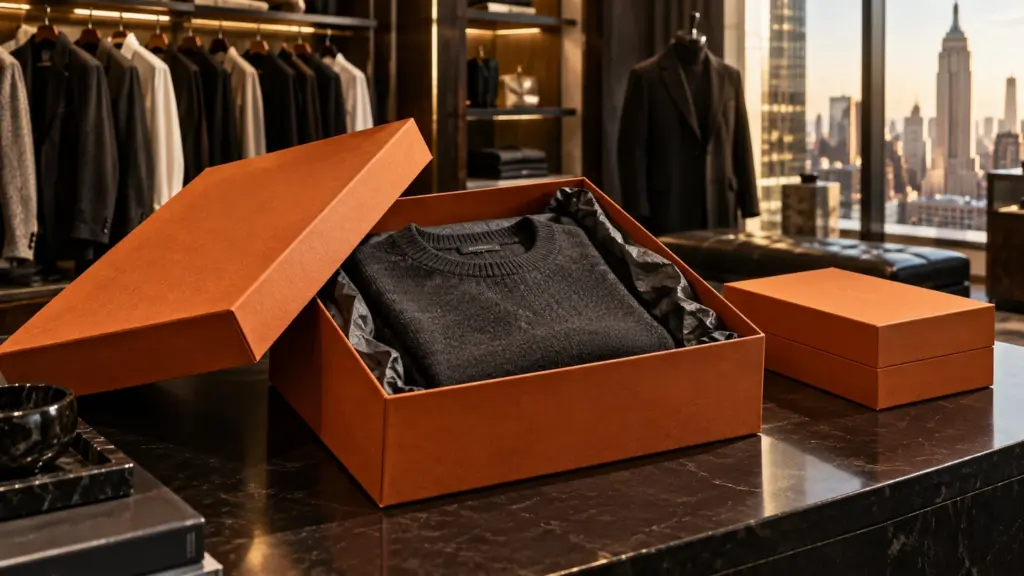
Custom apparel boxes should fit the garment as the customer will receive it, including the fold, tissue, tags and any accessories. A clothing size label cannot tell a packaging supplier how much space the finished pack needs. A lightweight shirt and a bulky knit may carry the same size label but require very different box depths.
For fashion buyers, the useful starting point is a repeatable folding and packing method. Once that method is defined, you can compare box sizes, structures and order quantities without relying on a mockup that hides the practical details.
What Are Custom Apparel Boxes?
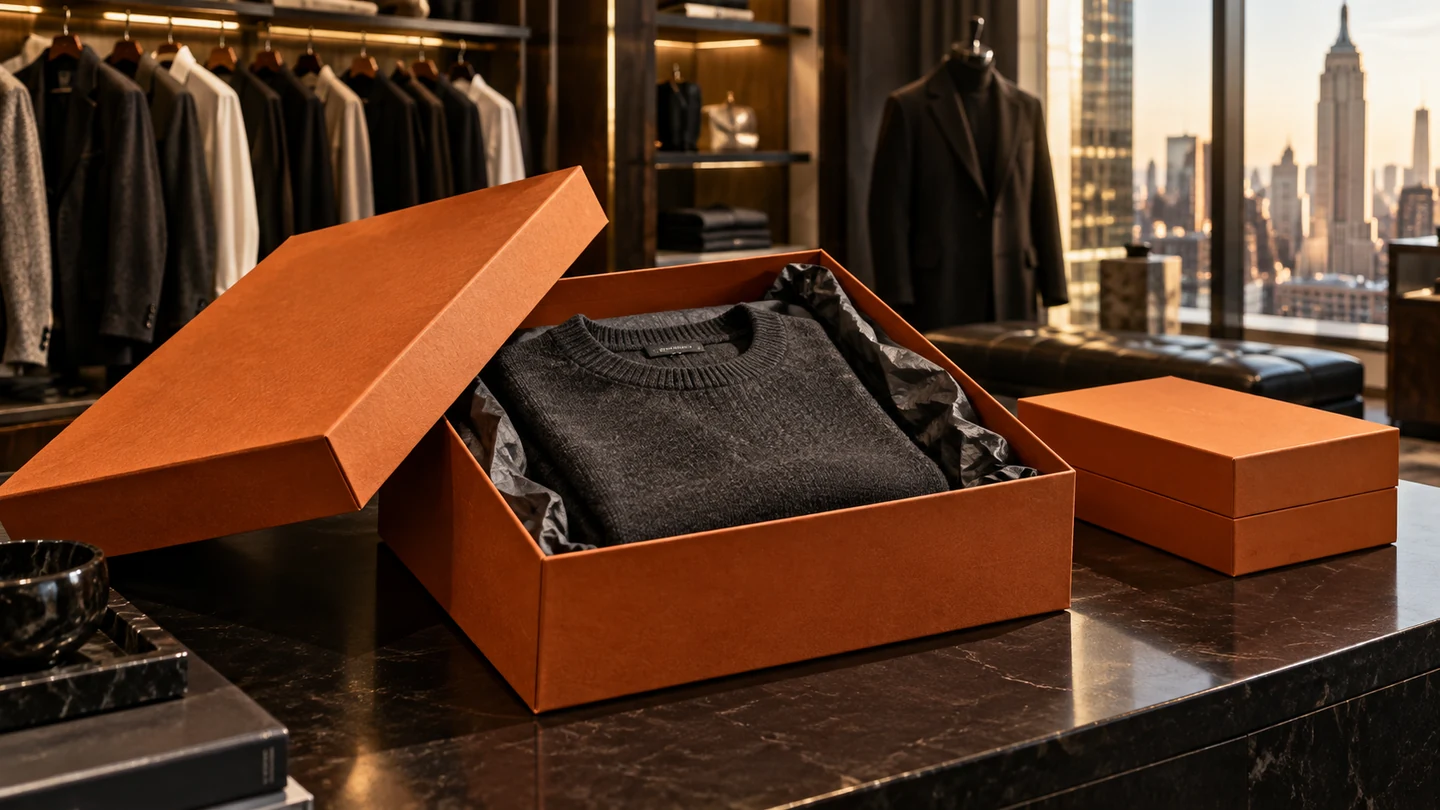
Custom apparel boxes are branded packages developed for clothing, fashion accessories or coordinated garment sets. They may serve as a retail gift presentation, an outer delivery pack, or one component within a larger shipping arrangement.
The specification connects the folded product with the box structure, surface materials and packing steps. Before discussing decoration, identify whether the box holds a single garment, a complete outfit or a variable assortment. Also state where the garments will be folded and packed.
Nuestro corrugated apparel packaging options provide one starting point for clothing projects that need a printed or wrapped box. The appropriate construction still depends on the intended use and sample review.
Define the Fold Before Measuring
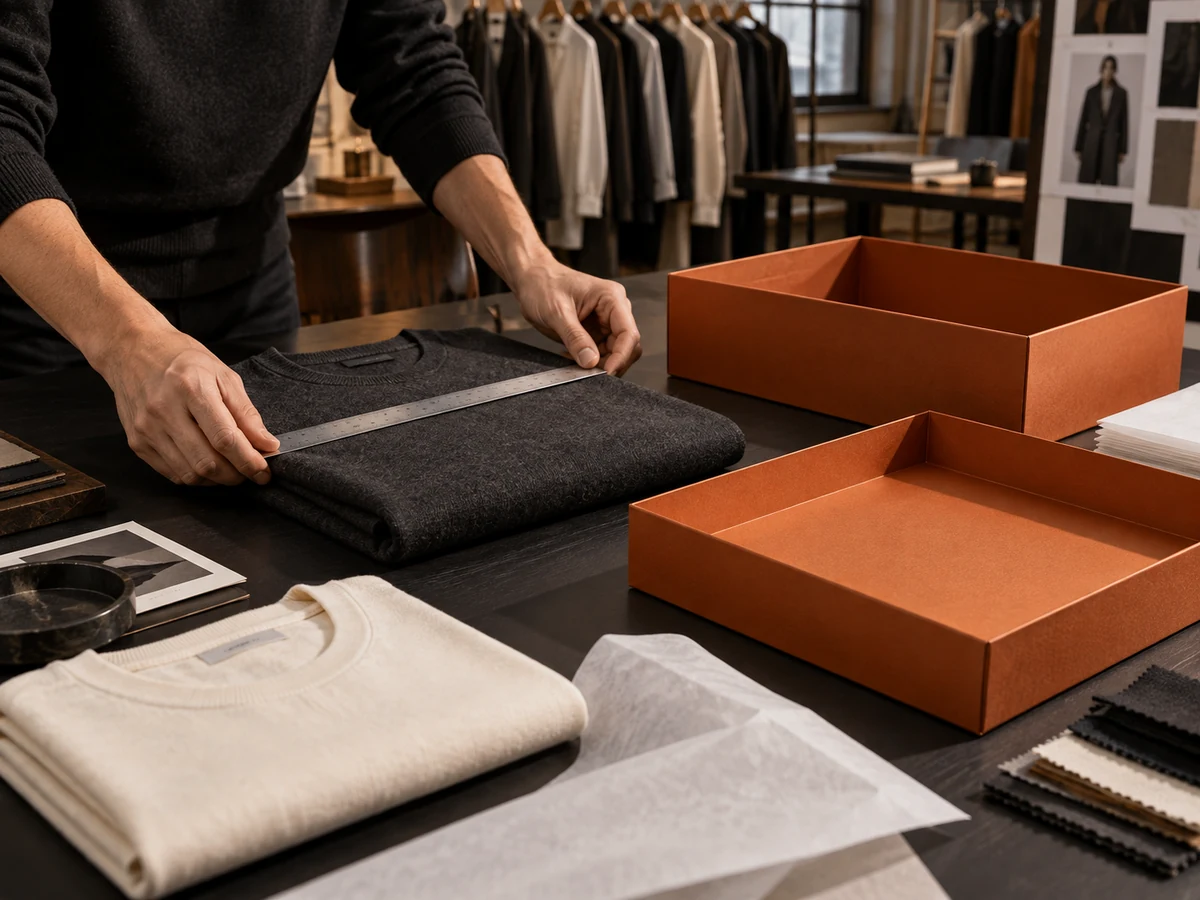
Write a simple folding instruction with photographs showing the garment front, sleeve placement and finished orientation. Identify any folding board, collar support or inner bag that remains in the package. These items belong in the measurement rather than being added after the box is approved.
Measure the folded length, width and height using the agreed method. Avoid pressing the garment flat merely to make the recorded dimensions smaller. En cambio, decide what compression, if any, your product team considers acceptable and reproduce that condition consistently during trials.
Measure more than one representative piece. Include thicker fabric constructions, embellishments and bulky seams where they occur in the collection. Send the supplier actual packed samples when possible, together with the measurement method and product references.
Build Box Families Around Packed Volume
List the proposed garment groups in a packaging matrix. Record the product reference, método de plegado, packed dimensions, accesorios, presentation requirements and estimated order quantity. Keep single-item orders separate from gift sets until both have been trial-packed.
Then test whether a small group of box sizes can cover the collection. Grouping by folded footprint and depth is more useful than assigning a different box to every clothing size automatically. Sin embargo, do not assume the largest box is an acceptable solution for everything.
Por ejemplo, a scarf may look lost in a box selected for knitwear. A deeper garment stack may prevent a lid from seating even when the folded length and width match. Review the smallest and largest proposed contents in each box family before approving shared packaging.
Choose a Structure for the Sales Channel
Retail gifting
A lift-off lid creates a separate reveal and gives staff access to the full opening. A hinged format keeps the lid attached. Compare both with the actual folding and tissue arrangement, including where the removed lid or open flap sits at the packing counter.
Storage before use
Ask whether the proposed box arrives assembled or requires setup. If a collapsible format is offered, request its flat delivery dimensions and demonstrate the assembly steps with your team. Compare the actual proposal rather than treating every rigid or folding design as identical.
Direct delivery
Identify whether the apparel box is the shipping container or sits inside a separate shipper. Review corrugated boxes for retail and e-commerce alongside the gift presentation. A decorative retail box does not by itself establish suitability for a particular delivery route.
Materiales, Tissue and Garment Contact
Request a material list covering the structural board, envoltura exterior, inside lining and any tissue or accessory. In a paper-wrapped rigid design, the wrap and the supporting board perform different roles. Specify the proposed construction rather than asking only for a thick box.
Review rigid box formats for premium presentation when a structured gift experience is part of the brief. Confirm the loaded box dimensions and usable space through a sample.
For delicate or light-colored garments, ask your product team to assess the materials that touch the fabric. Include tissue, printed surfaces, ribbons and labels in the review. Do not assume that a particular paper color or an environmental description demonstrates compatibility with every textile.
Printing and Finishing That Work Across the Range
Plan the logo size and position on each box size rather than scaling artwork automatically. A design that looks balanced on a large clothing box may overwhelm a smaller accessory pack. Review the collection together using the proposed physical materials.
Frustrar, embossing and printed color can support different brand presentations. Ask for samples that show the chosen effect on the actual wrap, especially where texture or folds influence its appearance. Check interior artwork with the garment and tissue in place so important messages remain visible.
For seasonal changes, identify which elements should change and which should remain common. Keep permanent box artwork separate from replaceable gift messages or product cards when that matches the commercial plan.
Cost and MOQ: Quote the Packing System
Request quantities by box size and artwork version. Ask the manufacturer to explain which minimum quantities apply to each component or material. There is no universal MOQ that covers every apparel box construction, size and decoration combination.
Compare quotations with the same scope: box, tissue, cards, cintas, asamblea, protective packing and delivery configuration. Record one-time development or tooling charges separately. If one offer includes assembly and another does not, evaluate the difference with your packing team.
Before reducing the number of box sizes, compare the consequences for garment presentation and unused space. Also ask your logistics provider to assess the packed shipping dimensions. Avoid projecting freight savings from the empty retail box alone.
Run a Packing Trial With Store and Warehouse Staff
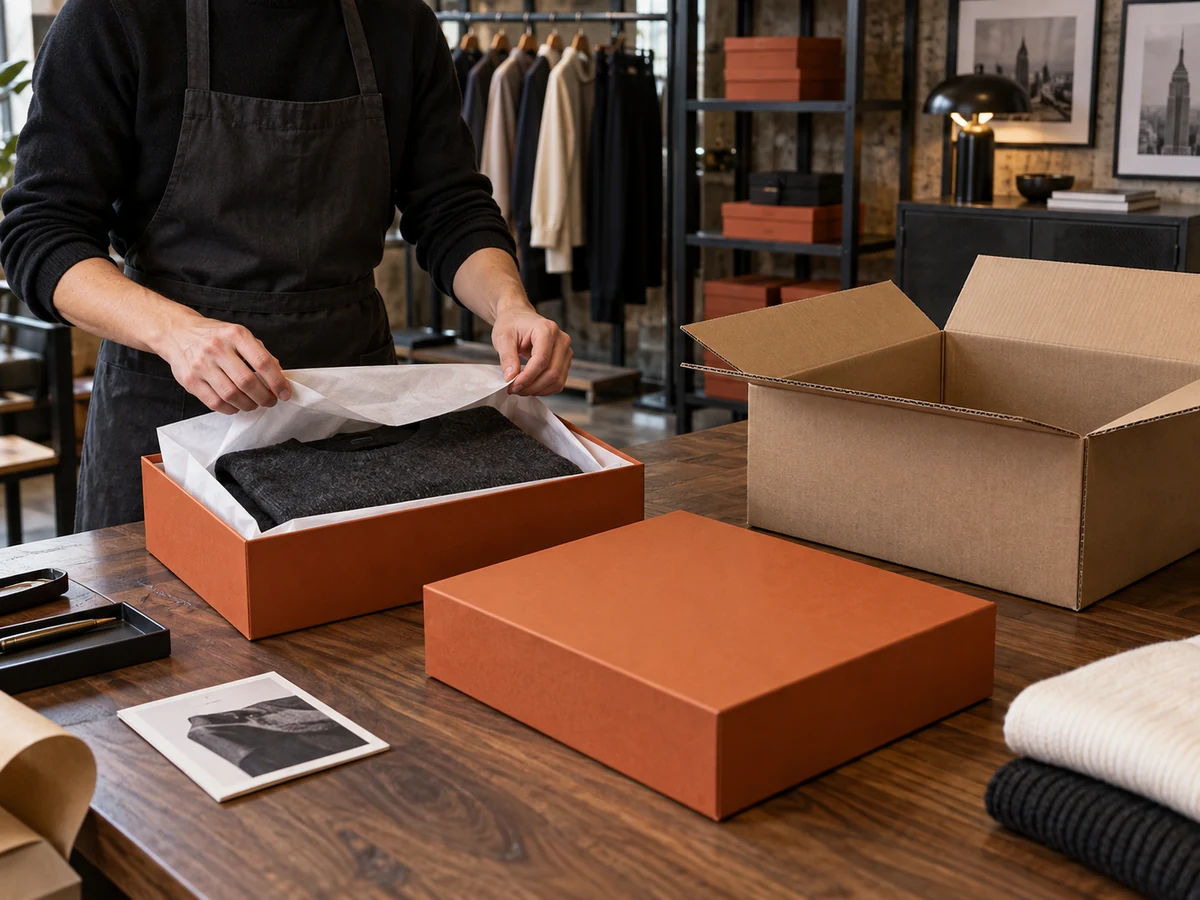
Have the intended team fold, wrap and pack representative garments using the proposed materials. Watch for repeated refolding, tissue that catches under the lid, tags that disappear and steps that depend on one experienced employee.
Record an approved sequence and finished-pack photographs. Ask staff to identify the correct box family from the written instruction without coaching. If they cannot do so consistently, improve the identification system before the order expands to multiple locations.
Para juegos de regalo, define the order of garments and accessories. Review the finished arrangement after the handling conditions agreed for the project. Choose any transport verification with the supplier and relevant specialists according to the actual route; a neat packing photograph is not evidence of transit performance.
Returns, Reorders and Sustainability
Decide whether customers are expected to keep the gift box, return goods inside it or use a separate return pack. If repacking is part of the experience, check that the garment can be placed back into the box without reproducing an elaborate store-only fold.
Keep approved samples and packing references for reorders. A change in fabric, garment construction or included accessory should trigger a fit review, even when the style name stays the same. Confirm current material availability before repeating an old specification.
Review the complete material combination before making environmental or disposal claims. Ask which components can be separated and what guidance is appropriate in the destination market. A paper exterior alone does not support a claim about every part of the finished pack.
Preguntas frecuentes
Can custom apparel boxes cover several garment sizes?
Sí, when trial packing confirms that the proposed garments share suitable folded dimensions and presentation. Group by the packed product rather than relying only on clothing size labels.
Should I specify internal or external dimensions?
Tell the supplier which dimensions you are providing. Define the required usable space around the packed garment, then confirm the finished external dimensions separately for storage and shipping planning.
Is tissue enough to secure clothing inside a box?
That depends on the garment, arrangement and handling requirements. Evaluate the completed pack rather than assuming tissue provides retention or protection in every situation.
What should accompany a quotation request?
Send representative garment samples, folding instructions, quantities by box family, branding files, sales channels and delivery requirements. Include all tissue, cards and accessories within the proposed scope.
Request an Apparel Packaging Sample Review
Share your folded garment matrix with PK and use our packaging structure and sampling service to compare suitable box families. Ask for a proposal that connects garment fit, decoration, assembly and delivery configuration. A repeatable packing method gives both your supplier and your team a clearer specification to approve.