Vai al contenuto
Folding cartons are a sustainable packaging choice thanks to their renewable paperboard materials, recyclability, and efficient shipping advantages. Tuttavia, factors such as materials, coatings, and design determine their overall environmental performance.
PK Packaging provides custom folding carton solutions with recyclable materials and flexible designs to help brands create more sustainable packaging.
Are Folding Cartons Sustainable?
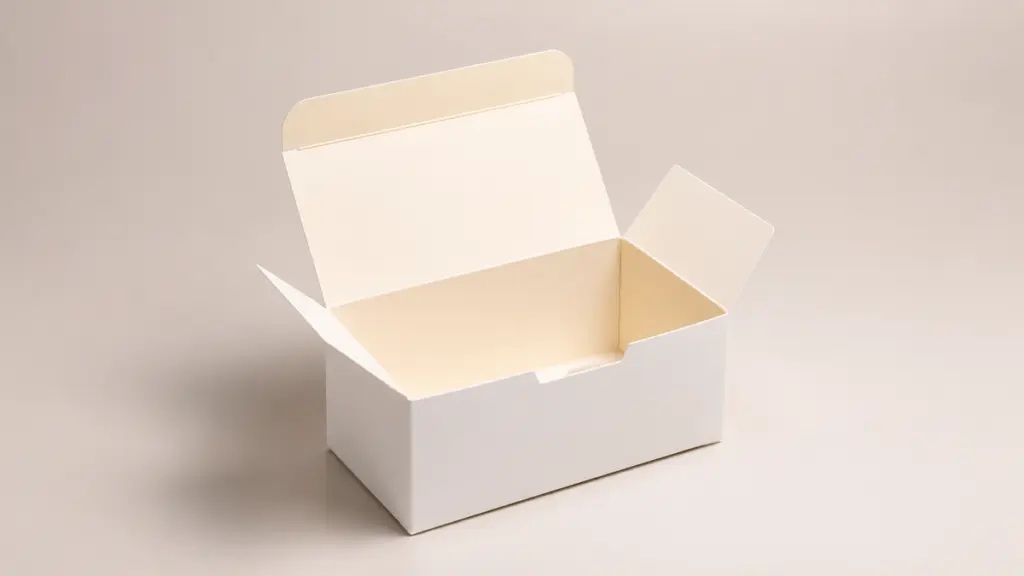
Folding cartons are a strong sustainable packaging choice. Their eco-credentials come from a renewable paperboard base, high recyclability, and a lower carbon footprint than plastic or glass.
| Sustainability Factor | How Folding Cartons Support Sustainability |
|---|---|
| Renewable paperboard | Made from wood fiber, a renewable material source. |
| Recyclability | Paperboard fibers can be recovered through standard recycling systems. |
| Lightweight structure | Flat-pack designs help reduce transportation volume and storage space. |
| Certified sourcing | FSC or PEFC materials support responsible forestry practices. |
| Sustainable finishes | Water-based inks and recyclable coatings can improve end-of-life performance. |
Unlock Your Brand’s Potential with Custom Packaging
Are Folding Cartons Recyclable?
Most paperboard folding cartons are recyclable. Success depends on the carton’s design—specifically its fiber content, coatings, and any added non-paper components like plastic or foil.
The General Rule: SÌ, Most Are Recyclable
Most folding cartons can be recycled if they are made primarily of paperboard. These cartons enter standard paper recycling systems where the core principle of recyclability is simple: paper fibers must be efficiently separated from non-paper elements like inks and coatings.
What Determines Recyclability?
Whether a specific carton makes it through the recycling process depends on its construction. The key factors are technical and practical.
| Factor | Impact on Recycling |
|---|---|
| Fiber content | Higher paper fiber content improves recyclability and supports efficient fiber recovery. |
| Coatings and laminates | Heavy plastic or foil layers may affect fiber separation during recycling. |
| Wet-strength treatments | Some moisture-resistant additives can make paper fibers more difficult to break down during repulping. |
Are Folding Cartons Biodegradable?
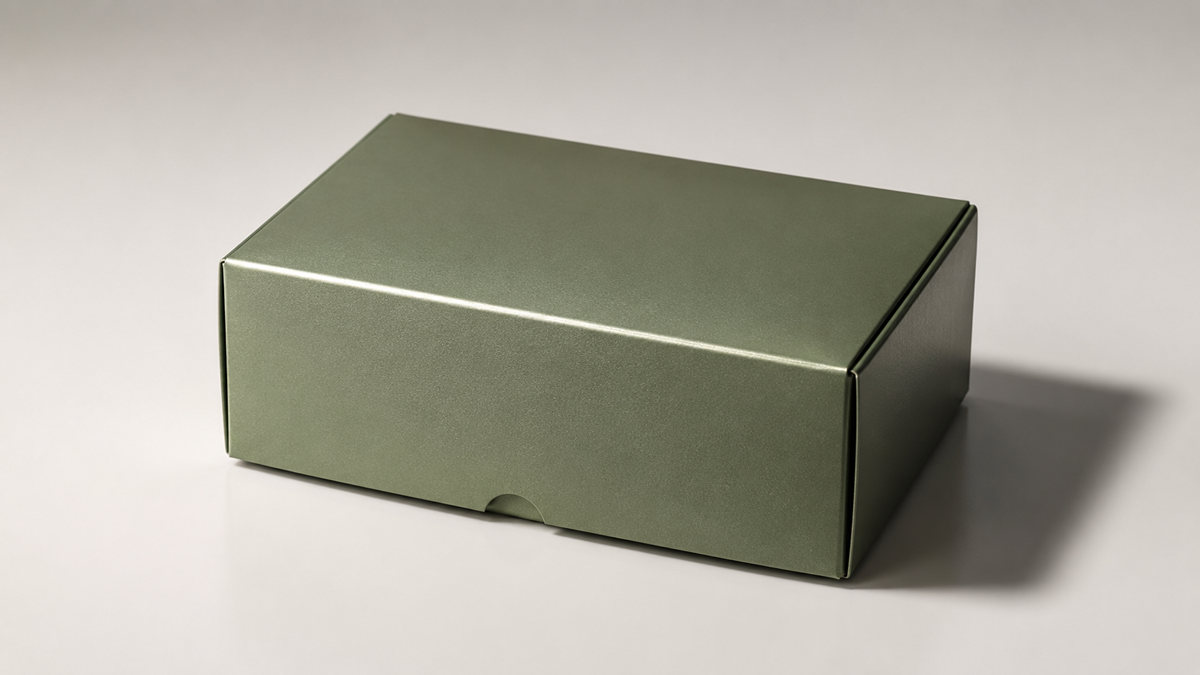
SÌ, the paperboard core of folding cartons is biodegradable. Tuttavia, the complete package only breaks down if all its components—inks, coatings, and adhesives—are also specified as biodegradable.
Common Barriers to Complete Biodegradation
While paperboard itself is biodegradable, other components can affect the biodegradability of the complete carton. Plastic laminations, metallic foils, and certain synthetic coatings may slow down decomposition because they create barriers between the paper fibers and the environment.
Plastic windows made from materials such as PET or PVC can also turn a carton into a mixed-material package. For brands seeking biodegradable packaging options, every component—including the board, inchiostri, adesivi, and finishes—should be carefully considered.
Recycling vs. Biodegradation in a Circular Economy
For folding cartons, recycling is usually the preferred end-of-life option because it allows paper fibers to be recovered and reused. Biodegradability provides an additional environmental benefit when recycling is not possible.
By combining recyclable materials with thoughtful design choices, folding cartons can support more sustainable packaging systems.
How Can Folding Cartons Reduce Plastic Packaging?
Folding cartons reduce plastic by directly substituting rigid containers, optimizing designs to eliminate plastic inserts, and enabling a more recyclable, fiber-based circular system.
Folding cartons can help reduce plastic packaging by replacing certain plastic formats, optimizing package structures, and using fiber-based alternatives for shipping and product protection. Their effectiveness depends on product requirements, selezione del materiale, and package design.
Replacing Plastic Containers and Trays
One of the most direct ways folding cartons reduce plastic use is by replacing rigid plastic packaging formats. Paperboard structures can be designed to provide product protection for applications that traditionally use PET clamshells, PP trays, or PVC blister packs, including food, cosmetici, and consumer goods.
Reducing Plastic Components Through Smart Design
Well-designed folding cartons can eliminate the need for additional plastic inserts, fillers, or supports. By matching the carton structure to the product size, brands can reduce empty space and avoid materials such as plastic air pillows or bubble wrap. Targeted barrier coatings can also provide moisture or grease resistance while keeping the package primarily fiber-based.
Supporting More Sustainable Shipping Solutions
In e-commerce and secondary packaging, folding cartons can replace some plastic mailers, bubble-lined envelopes, and plastic protective components. Flat-pack shipping also helps reduce storage and transportation volume compared with pre-formed packaging formats.
How Do Flat-Pack Design and Right-Sizing Reduce Waste?
Flat-pack design and right-sizing attack waste by shipping less empty space and using only the necessary amount of paperboard, cutting both logistics and material costs.
Reducing Transport and Storage Waste with Flat-Pack Design
Shipping pre-assembled boxes is like paying to transport empty air. The core advantage of folding cartons is that they are manufactured and delivered in a collapsed state, tackling inefficiency long before a product is ever placed inside.
- Folding cartons ship and store flat, which drastically reduces transport volume compared to rigid, pre-assembled boxes.
- Because cartons arrive collapsed, more units fit into the same warehouse footprint, lowering storage and handling costs.
- Smaller shipment volumes result in fewer truckloads and more efficient palletization, directly cutting freight waste and emissions.
- Cartons are assembled only when needed, supporting automated packing lines and minimizing on-site handling inefficiencies.
Minimizing Material and Filler Waste Through Right-Sizing
Right-sizing is the practice of engineering a carton to fit the product, not forcing the product into a generic, oversized box. This eliminates excess from the start, targeting both material use and the need for secondary fillers.
- It matches carton dimensions to the product, using only the required amount of paperboard and avoiding unnecessary material.
- A closer fit reduces or eliminates the need for void-fill materials like air pillows, schiuma, or paper inserts.
- Optimized dimensions help avoid dimensional-weight (DIM) penalties from parcel carriers, which charge based on a package’s volume.
- Analysis for right-sizing often identifies opportunities to use lighter board grades that still meet protection requirements, further cutting material use.
Which Printing and Finishing Options Support Sustainability?
Sustainable cartons prioritize recyclable inks, plastic-free finishes, and efficient processes. The key is maximizing fiber recovery while maintaining brand aesthetics and performance.
Inks and Printing Processes with Lower Environmental Impact
The decisions made on the press have a direct impact on a carton’s environmental footprint. Choosing the right ink and printing method affects volatile organic compound (VOC) emissions, energy consumption, and how easily the carton can be recycled. The goal is to reduce chemical inputs and waste from the start.
Water-based or vegetable-based inks reduce VOC emissions compared to traditional solvent-heavy inks. They also simplify the de-inking process at recycling mills.
Coatings and Finishes Designed for Recyclability
A premium look doesn’t have to come at the cost of recyclability. The problem isn’t the finish itself, but whether it introduces materials that paper mills can’t easily separate from the fiber. The right choices protect the print surface and add visual appeal without creating a mixed-material mess that gets landfilled.
- Water-based aqueous coatings are the default choice for preserving the paperboard’s recyclability. They provide protection without relying on the heavy plastic content found in many solvent-based finishes.
- Avoid plastic film lamination. This process makes it extremely difficult for recycling mills to separate the plastic layer from the paper fibers during the pulping stage, often dooming the entire carton.
- Direct-transfer metallic effects like cold foil achieve a premium, shiny look without adding a non-recyclable plastic film. The metallic layer is incredibly thin and disperses during recycling.
- Limit decorative finishes like hot stamping to minimal coverage. While recyclable, heavy application can interfere with fiber recovery. Use it as an accent, not a flood coat.
Structural Choices for a Sustainable Carton
Even the most sustainable inks and finishes are ineffective if the carton itself isn’t designed for recovery. The paperboard, adesivi, and overall construction must be aligned with end-of-life goals. As highlighted by the U.S. EPA Sustainable Packaging guidelines, sustainable packaging decisions should consider factors such as material selection, resource efficiency, and end-of-life management.
- Specify paperboard from certified forests (FSC, SFI, or PEFC). This guarantees that the raw material comes from responsibly managed sources.
- Use adhesives that are compatible with paper recycling. The glues holding the carton together must break down properly without creating “stickies” that contaminate the pulp.
- Match the print and finish to the board grade. Whether using recycled, virgin, or mixed-fiber board, the chosen finishes must be compatible to meet the desired end-of-life outcome.
- Design the package to be easily flattened. Avoid overly complex constructions that confuse consumers or hinder collection within municipal recycling streams. A simple, flat-packable design increases recovery rates.
How Can Buyers Verify Sustainable Packaging Claims?

To verify claims, you must cut through marketing jargon. Demand specific data, cross-reference certifications in official registries, and confirm real-world recyclability in your target markets.
When a supplier tells you their folding cartons are “sustainable,” that claim is meaningless without proof. Vague statements about being “verde” or “eco-friendly” don’t hold up to scrutiny from regulators or educated customers. True verification is a systematic process of demanding evidence, checking it against independent sources, and ensuring it aligns with both performance needs and market realities.
Validate Third-Party Certifications and Documentation
Certificates are the primary form of proof, but they are only valid if they are active, apply to the correct product, and are held by the company actually in the supply chain. Always check the original source.
| Certificazione / Documentation | What Buyers Should Check |
|---|---|
| FSC / PEFC certification | Verify certificate validity and confirm the material scope applies to the packaging. |
| Chain of Custody (CoC) | Confirm certified materials are tracked throughout the supply chain. |
| Compostability certification | Check whether compostability claims are supported by recognized standards. |
| Food-contact compliance | Confirm packaging meets relevant food safety requirements for the intended application. |
Require Quantitative Material and Performance Data
Moving beyond marketing requires getting into the technical specifications. If a supplier can’t provide this data, they either don’t know or don’t want you to know.
- Get Precise Material Specs: Request the board grade, grammage (GSM), exact percentage of post-consumer recycled (PCR) content, and the chemical composition of any coatings.
- Confirm Chemical Safety: Ask for written confirmation that any barrier coatings are PFAS-free or fluorine-free, which is especially critical for food packaging.
- Validate Functional Performance: Request test reports demonstrating that the carton’s functional properties are not compromised. This includes data on moisture barrier (WVTR), oxygen barrier (OTR), or compressive strength to ensure the packaging still protects the product.
Domande frequenti
Are folding cartons recyclable?
SÌ, folding cartons are recyclable in standard paper recycling streams. For effective recycling, the carton should be made mostly of paper fiber (over 90% by weight). While cartons may have coatings or laminates for protection, these non-fiber elements must be minimal and designed to separate from the paper during the repulping process.
Are folding cartons biodegradable or compostable?
Because they are made from wood pulp, folding cartons are inherently biodegradable. They can also be compostable, but this depends on the specific coatings, inchiostri, and adhesives used. Cartons with heavy plastic laminates will not compost. Tuttavia, recycling is the preferred end-of-life option for clean cartons as it keeps valuable paper fibers in use for longer.
What makes a folding carton eco-friendly?
An eco-friendly folding carton combines several attributes. It starts with responsibly sourced materials, like recycled paperboard or virgin fiber from certified forests (FSC or PEFC). The design is efficient, using the least amount of material necessary (lightweighting), and it avoids non-recyclable components. Finally, it uses low-impact inks and coatings and is designed for easy recycling.
Can folding cartons be made from recycled paperboard?
SÌ, folding cartons are frequently made from recycled paperboard. Grades like Clay-Coated Recycled Board (CRB) are widely used for packaging many consumer goods. Using recycled content reduces demand for virgin trees, saves energy and water, and supports a circular economy. The performance of modern recycled boards is excellent for a majority of applications.
Are FSC-certified folding cartons more sustainable?
FSC certification makes a folding carton more sustainable by ensuring its wood fiber comes from a responsibly managed forest that protects biodiversity and upholds social rights. This is a critical aspect of sustainability, but it only covers fiber sourcing. The overall environmental impact also depends on factors like recycled content, manufacturing efficiency, and the carton’s final recyclability.
Final Thoughts
Sustainable folding cartons depend on more than paper materials. Board selection, coatings, printing methods, and structural design all influence recyclability and overall environmental performance.
PK Packaging provides custom folding carton solutions with flexible material and finishing options. Get in touch with our team to discuss packaging solutions that match your product requirements.