
Let’s start with the uncomfortable part. If you ship packaged goods into the EU right now, and you haven’t sorted yourEPR packaging compliance, you’re already exposed. Germany blocked marketplace listings over this back in 2022. And since 12 8月 2026, the new PPWR framework applies across all 27 member states — so the window for “we’ll deal with it later” has genuinely closed.
But here’s the good news: this stuff looks scarier than it actually is. Once you understand who counts as a producer, and which registries you actually need, the path forward gets clear pretty fast. So let’s walk through it together.
🔘 [Get Custom Packaging Quote →]
What Is EPR Packaging Compliance?
The Core Principle
EPR packaging compliance means Extended Producer Responsibility — the legal principle that whoever puts packaging onto a national market must also pay for collecting and recycling it. 言い換えると, you fund the end of your packaging’s life, not the local taxpayer.
Why It Exists
France launched the first packaging EPR scheme back in 1992. Germany followed in 1998. By 2004, every EU member state ran some version of it. しかし, enforcement against foreign sellers stayed weak for decades.
What Changed Recently
That changed fast between 2020 そして 2023. Digital customs data sharing gave regulators a way to spot unregistered importers. その間, domestic producers who had paid fees for years pushed hard for a level playing field. 結果として, EPR packaging compliance now carries real teeth.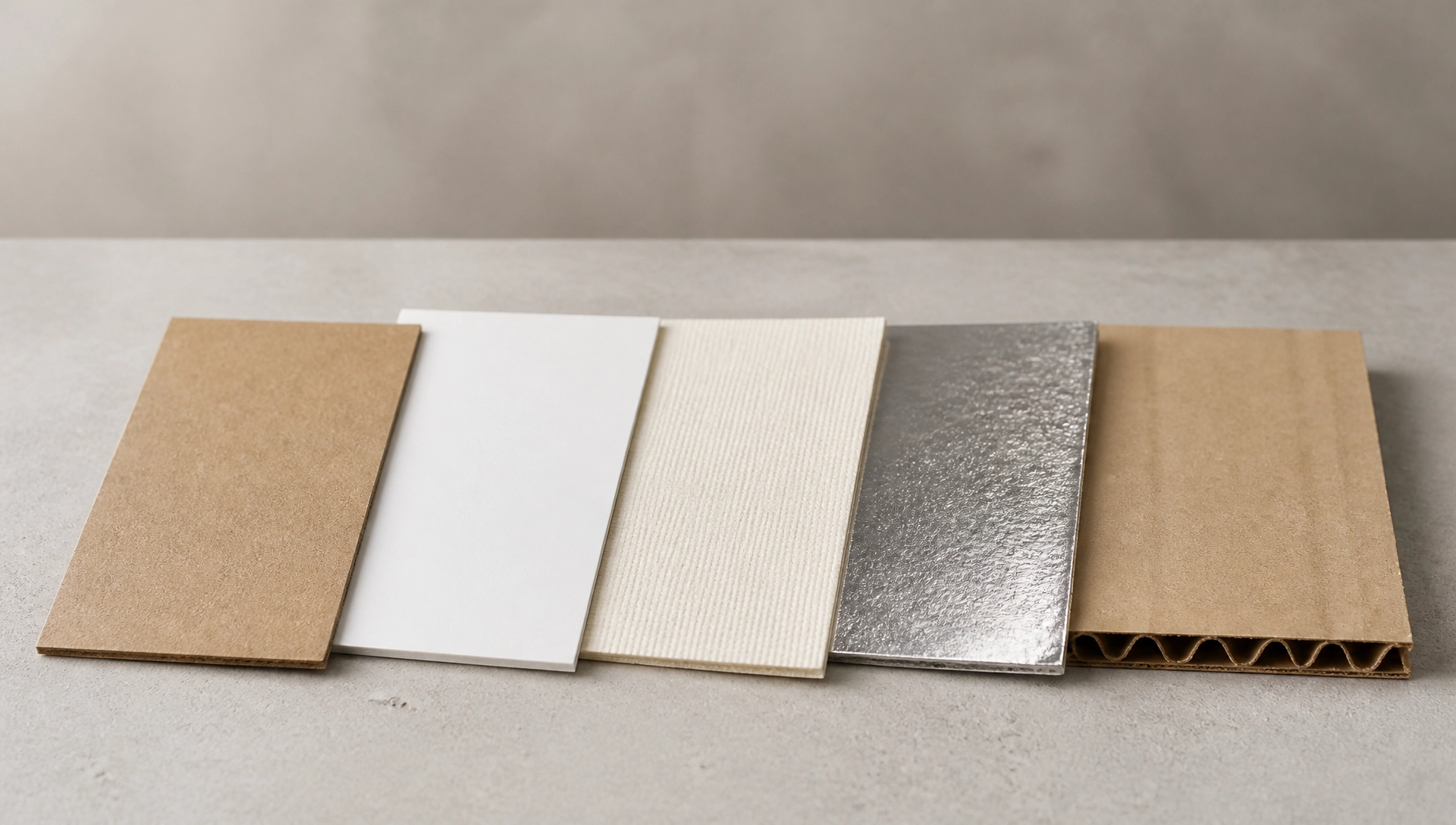
PPWR: の 2026 Game Changer
What PPWR Actually Is
Regulation (EU) 2025/40 — commonly called PPWR — replaced the old 94/62/EC Directive. It entered into force on 11 February 2025 そして一般的には以下から適用されます 12 8月 2026. You can verify the framework on theEuropean Commission packaging waste page.
Directive vs Regulation — Why It Matters
Here’s the crucial distinction. A directive requires each country to write its own national law. A regulation applies directly, everywhere, with no translation step. したがって, PPWR delivers one harmonised rulebook across all 27 states.
What PPWR Did NOT Harmonise
Now, don’t celebrate too early. PPWR unified design rules, substance limits, and documentation. しかし, it deliberately leftEPR packaging compliance registration at national level. So you still register separately in every single country you sell into.
Who Counts as a “Producer”?
The Simple Test
Under PPWR, EPR packaging compliance attaches to whoeverfirst places the packaging on the market in a given country. Usually that means the brand owner. Sometimes it means the manufacturer. And for online sellers, it usually just means you.
Your Location Is Irrelevant
This trips up so many exporters. Your company’s country of incorporation simply doesn’t matter. If you ship a parcel from Shenzhen or New Jersey to a customer in Munich, Germany treats you as the producer. Full stop.
Six Scenarios That Trigger Obligations
- Direct B2C e-commerce — You ship straight to EU consumers from outside the EU.
- Marketplace listings — You sell on Amazon.de, bol.com, or similar platforms.
- B2B wholesale — You ship to an EU importer without contractually transferring producer status.
- Marketplace fulfilment — Your stock sits in an EU warehouse. Obligations start the moment inventory arrives, not when it sells.
- Third-party logistics — You use a 3PL inside the EU to serve European buyers.
- Cross-border B2B — Your outer packaging reaches end-of-life inside the EU.
No Small Business Exemption
Many buyers ask us about this hopefully. Unfortunately, no blanket exemption exists. Some schemes offer lighter admin for low volumes, but that varies by country. So check the specific registry rather than assuming your size protects you.
一般的なアプリケーション: Which Industries This Hits
EPR packaging compliance applies regardless of what sits inside the box. それにもかかわらず, some categories face extra layers.
化粧品 & スキンケア
血清, クリーム, and perfume all combine primary containers with secondary cartons. その結果, you report both layers separately by material and weight.
食べ物 & Beverage
お茶, コーヒー, スナック, and chocolate add food-contact rules on top of EPR. さらに, multi-material barrier structures attract higher eco-modulation fees.
キャンドル & Home Fragrance
Glass jars plus paperboard outers plus foam inserts mean three material streams. したがって, your SKU data needs genuine detail here.
サプリメント & Nutraceuticals
These often use foil liners and desiccant packs. しかし, each component still counts toward your declared weight.
Electronics & 付属品
Retail cartons, フォーム, and polybags all fall in scope. さらに, REACH and RoHS overlap on the product side.
Material Options and Eco-Modulation Fees
How Fees Actually Work
Here’s the part ofEPR packaging compliance that genuinely affects your unit economics. Most schemes chargeweight × material rate. But increasingly, they apply eco-modulation — meaning recyclable materials cost less and problematic ones cost more.
Fibre-Based Materials
クラフト紙, アート紙, and specialty paper generally sit in the friendliest fee bands. さらに, they enter existing recycling streams easily. So a well-designed carton often beats a plastic alternative on both cost and compliance.
Coated and Laminated Papers
Plastic lamination changes the end-of-life route. その結果, laminated stock may attract a higher rate than uncoated board. Aqueous coating sometimes offers a better path — though you should always verify with your PRO.
Foil Liners and Composites
Aluminium foil delivers excellent barrier performance. しかし, composite structures rank among the most expensive categories. German composite rates reached €2.10/kg in 2024, versus €0.40/kg for LDPE film.
Food-Grade Liners
Direct-contact food packaging needs documented food-grade materials. その間, those same liners still count toward your EPR weight declaration. So plan both requirements simultaneously.
Making Smarter Material Choices
If you want to dig deeper into fibre-first alternatives, our guide on美容のための生分解性紙管パッケージ & 食べ物 breaks down which constructions genuinely support environmental claims — and which ones quietly don’t.
Structure Options That Reduce Compliance Cost
Design for Separation
StrongEPR packaging compliance starts at the drawing board. If a consumer can separate materials easily, your recyclability score improves. And better scores mean lower eco-modulation fees.
Mono-Material Structures
あfolding carton made entirely from paperboard reports as one material line. Simple, cheap, and clean. したがって, it works brilliantly for retail SKUs where you don’t need heavy protection.
Rigid Boxes and Inserts
剛性ボックス deliver premium presentation. しかし, foam inserts introduce a second material stream. Swapping EVA foam for die-cut paperboard or moulded pulp often simplifies both reporting and fees.
窓, Sleeves and Telescopic Builds
A PET window adds plastic. A paper sleeve doesn’t. 同様に, telescopic and lid-and-base constructions stay fibre-dominant when you skip the plastic elements. So specify deliberately.
Shipping Layer
Corrugated boxes also count. Many sellers forget their outer shipper entirely — then face a corrective assessment later. Don’t make that mistake.
印刷 & 仕上げ: The Hidden Compliance Angle
Why Decoration Matters Here
Most buyers never connect finishing choices toEPR packaging compliance. But they should. Certain finishes affect recyclability assessment, and recyclability drives your fee band.
Lower-Impact Choices
- CMYK and Pantone printing — Standard inks rarely cause issues. さらに, minimal coverage reduces material load.
- エンボス加工とデボス加工 — Purely mechanical. No added material whatsoever.
- 水性コーティング — Water-based protection that generally handles recycling better than plastic film.
Choices Worth Reviewing
- マットとグロスのラミネート加工 — Plastic film can shift your end-of-life route. So ask your supplier about coating alternatives.
- ホットスタンピング — Small foil areas rarely cause problems. Large metallised coverage, しかし, deserves a conversation.
- スポットUV — Generally fine in small areas, though heavy coverage warrants review.
The Practical Rule
Keep decorative effects targeted and intentional. 実際には, a small foil logo on kraft usually reads more premium than full-surface metallisation — and it costs less on both print and EPR fees.
コンプライアンス & 持続可能性: The Full Picture
EPR Sits Alongside Other Standards
EPR packaging compliance doesn’t operate in isolation. Serious buyers ask for the whole documentation set.
Certifications Buyers Request
- FSC — Confirms responsible fibre sourcing. Many EU retailers now treat it as a baseline requirement.
- BRCGSの梱包材 — Global standard for packaging manufacturing quality and hygiene.
- IFSフード — Frequently requested by major EU and UK grocery retailers.
- Food contact safety — Migration testing, material declarations, ink and adhesive documentation.
Overlapping Regulations
- PPWR — Design rules, substance limits, and Declaration of Conformity. Applies from 12 8月 2026.
- EUDR — The Commission lists 30 12月 2026 大規模および中規模の事業者向け, そして 30 6月 2027 零細および小規模のオペレータ向け.
- REACH / RoHS — Relevant when packaging accompanies electronics or toys.
One Technical File, Multiple Uses
Here’s a genuinely useful insight. Your PPWR technical file and yourEPR packaging compliance reporting draw on the same underlying data: 材料, weights, and formats per SKU. So build that dataset once, then reuse it everywhere.
Country-by-Country: Where You Actually Register
No Single EU Registration Exists
Let’s kill this myth immediately. No unified EU-wideEPR packaging compliance account exists. You register separately in every market. その結果, selling into five countries means five registrations.
The Five Largest Markets
CountryPrimary PRO(s)Report DeadlineMax PenaltyGermanyDer Grüne Punkt, Landbell, Reclay (9 licensed)15 May€200,000 + sales banFranceCiteo (household), Léko (industrial)31 March€750,000SpainEcoembes31 March€100,000ItalyCONAI (6 consortia)31 March€100,000NetherlandsNedvang / PRN1 April€820,000
Source: national scheme documentation as compiled by EU compliance advisories, 2026.
Germany Deserves Special Attention
Germany runs the strictest enforcement. You register with LUCID via the ZSVR, then contract with at least one of nine licensed dual systems. さらに, Amazon has required a valid LUCID number since March 2022 — no number, no listing.
France Works Differently
France operates a single household PRO: Citeo. Every consumer-goods producer contracts with them. さらに, France applies eco-modulation coefficients aggressively, so packaging design directly changes your bill.
The Authorised Representative Requirement
Why Non-EU Sellers Need One
Most member states require a registered producer to hold a legal address inside the EU. A company in Shenzhen, Singapore, or São Paulo obviously doesn’t have one. したがって, you appoint an EU-based Authorised Representative.
This Starts 12 8月 2026
The AR requirement for non-EU producers took effect on PPWR’s application date. So if you sell direct to EU customers without an EU entity, you need this arrangement in place now.
Joint and Several Liability
Understand what you’re signing. Under §9 of Germany’s Verpackungsgesetz, the representative and the producer share liability jointly and severally. The authority can pursue either party. その結果, credible AR providers require indemnity clauses.
What a Good AR Actually Does
- Holds your documentation and responds to authorities within statutory deadlines
- Appears in the public registry as your accountable EU contact
- Manages renewals across multiple national schemes
- Coordinates your Declaration of Conformity alongside EPR filings
What Happens If You Skip It
Delisting Comes First
The immediate risk isn’t a fine — it’s losing market access. Germany blocked listings without valid LUCID numbers in 2022 rather than waiting to fine sellers afterwards. And marketplaces increasingly verify registration before a listing goes live.
Back-Assessment Is Real
Regulators calculate historical liability from customs import data. それで “they’ll never find out” simply doesn’t hold up when your shipping manifests already sit in a government database.
Enforcement Is Active
Germany issued thousands of formal compliance notices to non-EU sellers. その間, Dutch authorities cross-reference Rotterdam customs manifests against EPR records weekly — not annually. Weekly.
The Honest Summary
Enforcement varies by country, and penalty figures circulating online aren’t always consistent. それにもかかわらず, the pattern is unambiguous: this is a live enforcement area, and it isn’t worth testing.
How to Customize Compliant Packaging: ステップ 1 ~ 3
ステップ 1: Map Your Markets
初め, list every member state you ship to. Then check whether you already hold registration in each one. This single exercise usually surprises people.
ステップ 2: Define the Structure
次, decide your box format, 寸法, and insert strategy. 製品のサイズをお送りください, 重さ, and fragility. Our team will then suggest the most fibre-efficient construction that still protects properly.
ステップ 3: Choose Materials with Fees in Mind
その後, pick your material grade. We’ll flag where a small specification change — swapping a laminate for an aqueous coating, for instance — improves yourEPR packaging compliance position without hurting shelf appeal.
How to Customize Compliant Packaging: Steps 4–6
ステップ 4: Submit Artwork and Confirm Finishing
Send your logo file in AI, EPS, or high-res PDF, plus Pantone codes. Then we’ll review your finishing choices against recyclability considerations before tooling.
ステップ 5: Approve a Physical Sample
Never skip this. Check colour, 構造, インサートフィット, and durability on a real sample. その間, we prepare the material specification sheet you’ll need for reporting.
ステップ 6: Collect Your SKU Data
ついに, we supply component weights and material breakdowns per SKU. That dataset feeds directly into your national registry filings and your PPWR technical file. So yourEPR packaging compliance paperwork stops being a scramble.
パック包装を選ぶ理由
製造規模
- 20,000㎡工場 — We run full in-house production from die-cutting through finishing. 結果として, we control quality and material traceability at every stage.
- 2,000㎡の食品グレードのワークショップ — A dedicated food-safe environment, because food packaging tolerates zero shortcuts.
- 10,000,000+ 月間容量 — We scale with you, whether you order 5,000 units or 5 million.
Documentation Support
- 20+ 社内デザイナー — 決して外注化しない. Our team turns artwork around fast and flags compliance risks early.
- Material data for your filings — We provide component weights and material breakdowns that plug straight into EPR reporting.
- Certification support — We source FSC-certified materials and support BRCGS, IFSフード, and food-contact documentation requests.
- 60+ 輸出市場 — We handle incoterms and customs paperwork daily, so cross-border complexity stays manageable.
What We Don’t Do
Let’s be straight with you. We manufacture packaging and supply the material data behind it. We don’t act as your Authorised Representative, and we don’t file your registrations. So for the legal side, appoint a specialist AR provider — then use our documentation to feed their filings.
よくある質問: Registration and Scope
Q1: Is there one EU-wide EPR registration I can use everywhere? いいえ. PPWR harmonised design and documentation rules, but registration stayed national. したがって, you register separately in each country where you place packaging on the market.
第2四半期: Does my supplier handle EPR packaging compliance for me? Generally no. The obligation attaches to whoever first places packaging on that national market — usually the brand owner or seller, not the overseas factory. しかし, your supplier should provide the material and weight data your filings need.
Q3: I only sell through a marketplace’s fulfilment programme. Am I still liable? Very possibly. Who counts as the producer can shift depending on the programme and the country. So confirm directly with each national registry rather than assuming one platform’s answer applies everywhere.
Q4: Does EPR apply to my outer shipping carton too? はい. Transport packaging falls in scope. Many sellers report only their retail box and then face a corrective assessment. その結果, include every layer in your declaration.
よくある質問: Costs, Timing and Documentation
Q5: How much do EPR fees actually cost? Fees scale with weight and material type. German plastic rates in 2024 ranged from roughly €0.40/kg for LDPE film up to €2.10/kg for composites. Fibre-based packaging generally sits in friendlier bands, though rates vary by country and year.
Q6: What packaging data do I need to report? Material type, 重さ, and format — broken down per SKU. さらに, most schemes require an annual declaration confirming your reported figures. We supply the component-level data to make that straightforward.
Q7: Can better packaging design genuinely lower my fees? はい. Eco-modulation rewards recyclable, mono-material, easily separated designs. So switching a composite structure to a fibre-dominant one can reduce both your fee band and your material cost.
Q8: What do you need from me to start a quotation? 製品の寸法を送信してください, 製品の使用, 量, ターゲット市場, とロゴファイル. Then we’ll recommend the right structure, 材料, and finish — and supply the material data yourEPR packaging compliance filings require.
関連ガイド
Building a compliant packaging programme usually raises three connected questions. So we’ve covered each one separately:
- 美容のための生分解性紙管パッケージ & 食べ物 — Which fibre constructions genuinely support environmental claims, and which components quietly break them.
- リサイクル可能な紙製パッケージ: グローバルブランドが知っておくべきこと — How coatings, 窓, and inserts affect whether your package really enters a recycling stream.
- This guide — What the EU legally requires from you once that packaging crosses the border.
一緒に, they answer the full sequence: can we make this claim, can this actually be recycled, そしてwhat must we file to sell it legally in Europe.
カスタム パッケージング ソリューションをさらに詳しく見る
- 折りたたみボックス — 軽量, fully customisable cartons for retail.
- リジッドボックス — Premium gift boxes for luxury brands.
- 段ボール箱 — 耐久性のある電子商取引および配送用の梱包.
- 小児用安全ボックス — 規制対象製品の安全な梱包.
- 付属品 — カスタムインサート, ティッシュペーパー, リボン, とラベル.
- 紙管 — Our dedicated collection for tea, コーヒー, 化粧品, キャンドル, and spirits.
Ready to Get Your Packaging EU-Ready?
Look, EPR packaging compliance genuinely isn’t the most exciting part of running a brand. But it now determines whether your products can legally reach European customers at all. And the sellers who sort it early avoid the delisting scramble entirely.
製品のサイズを教えてください, 量, ロゴファイル, そしてターゲット市場. 私たちのチームが適切な構造を推奨します, 材料, and finish — and supply the component-level data your EU filings need.
✉️ [概要をお送りください → カスタム見積もりを入手してください 24 営業時間] 含む: product dimensions · quantity · target market · logo file
パック包装 | 20,000㎡工場 | FSC認証済み | 2,000㎡ 食品グレードのワークショップ | 60+ 輸出市場
免責事項: This guide provides general commercial information aboutEPR packaging compliance and reflects publicly available regulatory sources as of August 2026. It does not constitute legal advice. Requirements change, and enforcement details vary by member state. したがって, confirm your specific obligations with each national registry or a qualified compliance advisor before placing packaging on the EU market.