コンテンツにスキップ
Launching a new product is exciting—until packaging becomes the reason the launch date keeps moving. A box that looked perfect on screen may not protect the product, a finish may behave differently in production, or a compliance document may arrive too late for the target market.
This is where an experiencedOEM ODM packaging manufacturer can make a real difference. Instead of asking a brand to coordinate structure, 材料, アートワーク, sampling and mass production across several suppliers, the right manufacturing partner brings those decisions into one practical workflow. The result is fewer revisions, clearer costs and a much more predictable path from idea to launch.
Ready to discuss your project?
カスタムパッケージの見積もりを取得する
What Is OEM/ODM Packaging Service?
OEM and ODM are often placed together, but they solve slightly different problems.
OEM packaging means the manufacturer produces packaging according to the brand’s design, specifications and artwork. The buyer may already know the box style, 寸法, paper grade, color references and finishing requirements. The manufacturer’s job is to turn those requirements into a stable, repeatable product.
ODM packaging starts earlier. A brand may only have a product, a logo, a target price and a rough visual direction. The packaging manufacturer then helps develop the structure, choose materials, prepare a dieline, recommend finishes and produce a working sample.
実際のプロジェクトでは, the line is rarely perfect. A skincare brand may have finished artwork but need help redesigning the insert; a coffee company may know the tube size but need advice on the liner. A capable OEM/ODM partner connects design decisions with production reality.
How OEM/ODM Packaging Helps Brands Launch Faster
Speed does not come from rushing every step. It comes from preventing the wrong steps.
- Feasibility is checked before sampling. A technical review can catch insufficient bleed, text near a crease, a tight insert or foil details that are too fine to reproduce consistently.
- Material and structure are developed together. Paper thickness, tube construction, insert material and closure style are evaluated against the real product, 外観, packing method and budget.
- Sampling has a clear purpose. A white sample confirms size and fit; a printed sample verifies color, テクスチャ, logo position and the unboxing experience. 正直に, this staged approach prevents many avoidable revisions.
- Production follows approved standards. The approved sample, アートワーク, color reference and specification sheet become clear quality-control benchmarks.
一般的なアプリケーション
OEM/ODM packaging is especially useful when the package must protect a product while also communicating quality at first glance.
- Perfume and fragrance: 硬い箱, cylindrical tubes, molded inserts and presentation sets
- スキンケアと化粧品: 折り畳みカートン, magnetic gift boxes, drawer boxes and paper tubes
- 紅茶とコーヒー: kraft tubes, composite paper cans and lined food-contact containers
- スナック・菓子類: food-grade paper boxes, tubes and gift sets
- キャンドル: rigid cylinder boxes, shoulder-neck boxes and protective inserts for glass jars
- E-commerce and subscription products: 段ボール箱, sleeves and coordinated packaging sets
The best structure depends on more than the industry name. 製品重量, 寸法, 脆弱性, shelf environment, 充填方法, shipping route and target market all matter.
材質のオプション
Material selection affects cost, performance and brand perception.
- クラフト紙 offers an honest, tactile look for food, お茶, coffee and natural personal-care brands.
- アート紙 provides a smooth surface for detailed CMYK or Pantone printing and is commonly used to wrap rigid boxes and paper tubes.
- 特殊紙 may be textured, 真珠光沢のある, metallic or colored. The right paper often adds more perceived value than several finishes used together.
- Paperboard and corrugated board provide structure. Rigid greyboard suits luxury boxes and tubes, folding board suits lighter cartons, and corrugated board adds transport protection.
- Food-grade and barrier liners may include suitable paper, PE-based films or aluminum-foil laminates. Selection depends on contact type, moisture and oxygen sensitivity, filling conditions, shelf-life target and destination-market rules.
There is no material that is automatically “best.” The right one meets the product’s needs without unnecessary cost or complexity.
構造オプション
Structure shapes the entire customer experience—from how the pack is filled to how it opens on camera.
- Lid-and-base or telescopic boxes: a classic choice for gifts, cosmetics and premium retail products
- Magnetic rigid boxes: strong presentation value and a satisfying opening experience
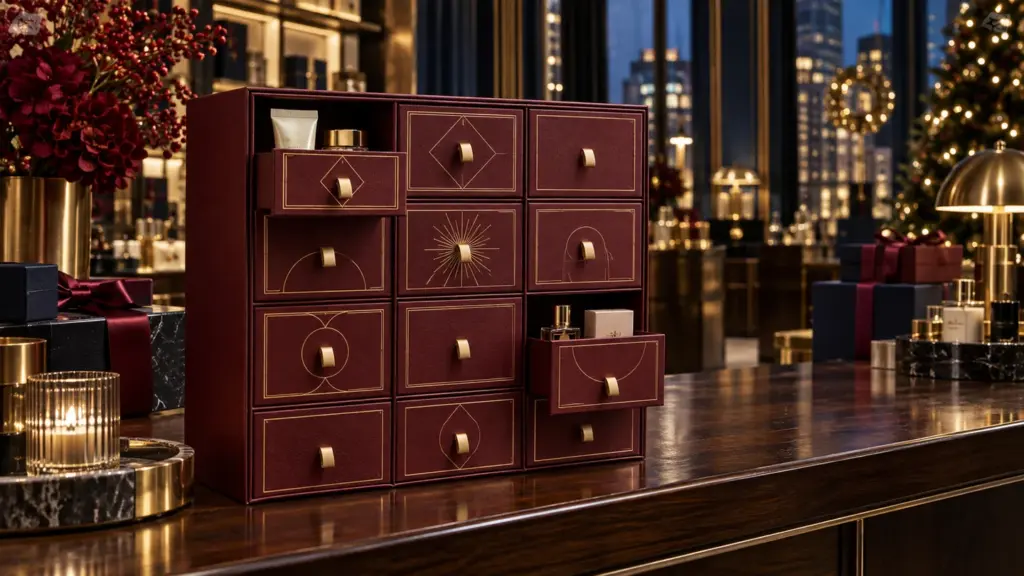
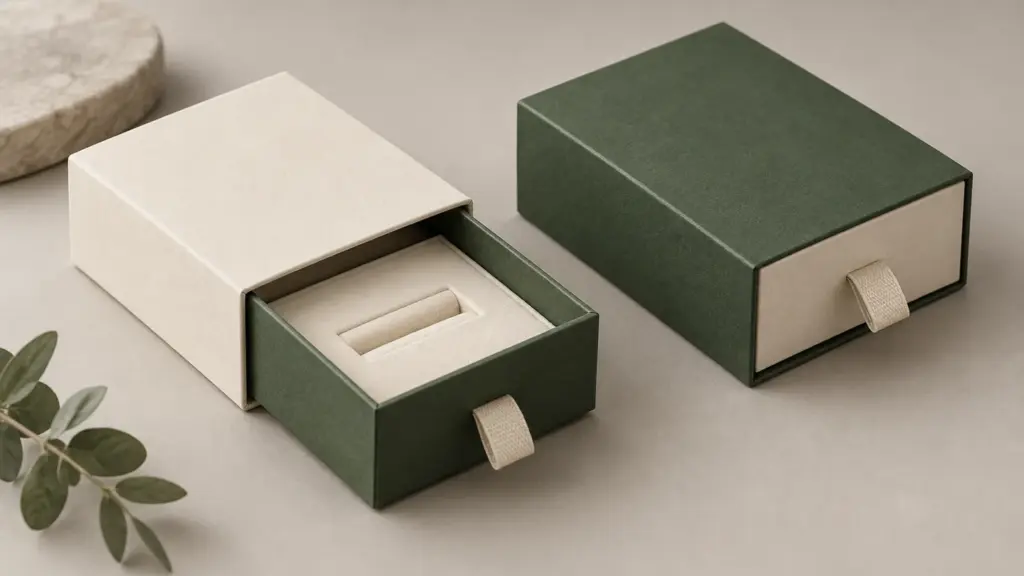
- Drawer or sleeve boxes: useful for product sets, accessories and compact luxury items
- Paper tubes with fitted lids: suitable for candles, お茶, コーヒー, bottles and gift products
- ウィンドウボックス: allow buyers to see the product while keeping it protected
- カスタムインサート: 板紙, パルプ成型品, foam or other materials selected around product protection and positioning
- Push-up structures: commonly considered for solid cosmetic or personal-care formats
- Twist-up structures: developed for products that require a controlled dispensing mechanism
- Shoulder-neck structures: create a premium reveal and help align the lid and base
For cylindrical packaging, フィット, 蓋の深さ, paper edges and product clearance should be tested with the real product. A few millimeters can change appearance and usability.
関連製品
カスタム紙管 ·食品包装 ·化粧品包装
Explore the most relevant product category, then send us your product dimensions for a structure recommendation.
印刷 & 仕上げオプション
Good decoration should support the brand, not compete with it.
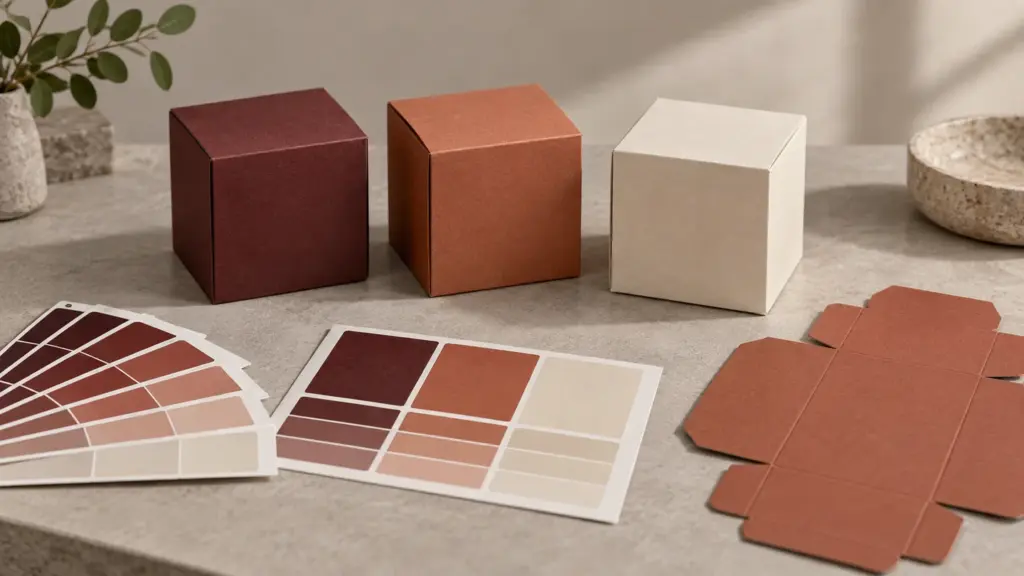
CMYK印刷 suits photographs, gradients and multicolor artwork.パントンカラーマッチング is preferred for controlled spot colors. Paper, coating and lamination affect the result, so physical references help with sensitive brand colors.
Popular finishing options include:
- Hot stamping in gold, 銀, holographic or custom foil colors
- Embossing for a raised logo or pattern
- Debossing for a pressed, understated effect
- Spot UV to create gloss contrast on selected areas
- Matte or gloss lamination for surface protection and appearance
- Soft-touch or anti-scratch film for premium dark-colored packaging
- テクスチャードペーパー, varnish and registered decorative effects
More finishing is not always better. 実際には, one well-executed detail—such as a clean embossed logo on textured paper—can look more premium than a design using foil, 紫外線, embossing and multiple coatings at the same time.
コンプライアンス & 持続可能性
Compliance should be discussed at the beginning of a project, especially for food-contact packaging and products entering the European Union, United States or other regulated markets.
- FSC 文書 supports verified sourcing and chain-of-custody control for eligible forest-based materials. FSC claims and logo use must match the certified scope and approval rules.
- FDA-related food-contact compliance reports can be provided for applicable materials and intended uses. Food-contact safety depends on the complete material system, 紙も含めて, インク, 接着剤, coatings and liners.
- BRCGS and IFS documentation can support buyers’ supplier-approval and food-safety reviews, subject to the applicable facility and certification scope.
- RoHS 2.0 and REACH-SVHC test reports or declarations can be supplied when restricted-substance verification is requested for relevant packaging materials or components.
- MSDS/SDS documents are available for applicable inks, 接着剤, coatings or other chemical materials. SDS is the current term; MSDS is the older name commonly used by buyers.
- EPR-related compliance documents can be provided where applicable. EPR obligations are market-specific and should not be presented as one universal product certification.
Pack Packaging can provide these certificates, compliance documents and test reports directly for buyer review: FSC, FDA-related documentation, BRCGS, RoHS 2.0, リーチ-SVHC, MSDS/SDS, IFS and EPR-related documentation. The exact report, 発行機関, 有効期限, tested material and certification scope should be confirmed against each order.
Tell the manufacturer where the product will be sold and whether the packaging will touch it directly. The manufacturer can identify available documents and materials, while the brand or importer confirms final legal requirements.
Sustainability also needs to be practical. Reducing unnecessary components, right-sizing the package, choosing responsibly sourced paper and designing for easier material separation can be more meaningful than adding a vague green claim to the artwork.
How to Customize Your Packaging
A smooth customization process begins with a complete brief. You do not need to know every technical term, but the following information helps the manufacturer recommend the right solution:
- 製品の使用: what will go inside, and will it contact the packaging directly?
- 製品のサイズと重量: length, 幅, height or diameter, preferably with a physical sample
- 注文数量: initial quantity and expected repeat volume
- ターゲット市場: destination countries and any retailer-specific requirements
- 好ましい構造: reference photos or a simple description are enough to begin
- Material and finish: desired appearance, protection level and sustainability priorities
- Logo and artwork: editable AI, PDF or EPS files with linked or outlined fonts
- Budget and launch date: this helps the team avoid proposing an unrealistic structure
After reviewing the brief, the normal workflow is structure recommendation, quotation, dieline preparation, artwork check, sample production, sample approval, mass production, inspection and shipment.
MOQとリードタイムは構造によって異なります, 材料, print process, finishing and production schedule. A simple printed carton and a handmade rigid gift box do not have the same setup. Sharing the launch deadline early allows sampling and production milestones to be planned backward from the required delivery date.
パック包装を選ぶ理由
Pack Packaging combines design support, sampling and manufacturing so that buyers can manage the project through one team.
- 20,000㎡工場 supporting custom paper tubes, paper boxes and related packaging
- 2,000㎡の食品グレードのワークショップ for suitable food-packaging projects
- 10,000,000+ pieces monthly capacity across supported product categories and specifications
- 20+ デザインチーム members supporting structures, ダイライン, artwork checks and visual development
- OEM/ODM development for custom size, 材料, 印刷, finish and inserts
- Compliance documents and test reports available for FSC, FDA, BRCGS, RoHS 2.0, リーチ-SVHC, MSDS/SDS, IFS and EPR-related requirements
- Quality checkpoints from incoming materials and color control to assembly and final inspection
Capacity matters, but responsiveness matters too. A manufacturer should explain why a material, structure or finish is recommended. Clear trade-offs lead to faster approvals and more reliable packaging.
カスタム パッケージング ソリューションをさらに詳しく見る
より多くの梱包オプションを探しています? さまざまな業界や用途向けに設計された当社のカスタムパッケージ製品の全範囲をご覧ください。.
折りたたみボックス – 小売包装用の軽量で完全にカスタマイズ可能なカートン.
リジッドボックス – 高級ブランド向けのプレミアム硬質ギフトボックス.
段ボール箱 – 耐久性のある配送および電子商取引梱包ソリューション.
小児用安全ボックス – 規制対象製品の安全な梱包.
付属品 – カスタムインサート, ティッシュペーパー, リボン, ラベル, などなど.
紙管 – お茶用のカスタム紙管パッケージの専用コレクションをご覧ください, コーヒー, 化粧品, キャンドル, 精霊, および当社の専門ウェブサイトのその他のプレミアム製品.
カスタムパッケージが必要? 無料の見積もりと専門家による相談については、今すぐ当社のチームにお問い合わせください.
よくある質問
1. What is the difference between OEM and ODM packaging?
OEM production follows specifications and artwork supplied by the buyer. ODM service includes more development support, such as structure design, 材料の選択, dielines and sampling. Many custom projects combine both approaches.
2. What information do I need to get an accurate quotation?
Please provide the packaging style, 製品寸法, 量, ターゲット市場, printing requirements and preferred finishes. Photos, reference samples and editable logo files are also helpful.
3. Can you develop packaging if I only have a product and logo?
はい. Share the product size, 重さ, use, positioning, budget and launch date. The team can recommend a structure and material combination, then prepare a dieline or sample for review.
4. 量産前にサンプルを注文できますか?
はい. A blank structural sample can test fit and function, while a printed sample can confirm graphics, color and finishes. Sampling method, cost and timing depend on the design.
5. あなたのMOQは何ですか?
MOQ varies by packaging type, 材料, 印刷と仕上げ. Send the required quantity and specifications for a project-specific recommendation. If the first order is small, the team can also suggest ways to simplify the design and control setup cost.
6. How long does custom packaging production take?
Timing depends on artwork readiness, sampling rounds, structure complexity, 材料, finishing and order volume. It is best to share the required delivery date at the quotation stage so the complete schedule can be evaluated.
7. Can you match our brand colors?
CMYK and Pantone printing are available for suitable projects. For critical colors, provide the Pantone reference and, if possible, a physical approved sample. Final color can vary with paper, コーティング, lamination and lighting, so sample confirmation is recommended.
8. What certificates and test reports can you provide?
Pack Packaging can provide FSC, FDA-related, BRCGS, RoHS 2.0, リーチ-SVHC, MSDS/SDS, IFS and EPR-related documents for applicable projects. Please state the product, 材料, intended use and target market before quotation so the team can send the correct, valid document rather than a general file that may not match the order.
カスタムパッケージの見積もりをリクエストする
The fastest packaging project is not the one that skips development. It is the one that makes the right decisions early, confirms them with a useful sample and gives production a clear approved standard.
製品のサイズを教えてください, 量, ロゴファイルとターゲット市場. 私たちのチームが適切な構造を推奨します, 素材と仕上げ.
私たちにあなたのものを送ってくださいサイズ, 製品の使用, 数量とロゴファイル カスタム見積もりを取得するには.