A product that arrives undamaged but sliding around under its own lid is rarely remembered as a packaging success. The insert decides that. It positions the item, absorbs the shocks the box wall cannot, and frames the product when the lid opens. Comparing custom box inserts usually comes down to four material families: 판지, 성형펄프, expanded polystyrene (EPS) foam and ethylene-vinyl acetate (에바) 거품.
This article weighs those four on the five dimensions that move a decision. The dimensions are protection, cost tier, 모습, recycling behavior and lead time. It closes with how each fits the box you chose. One boundary up front: paperboard and corrugated inserts are what we manufacture, so those sections describe our own capability. 성형펄프, EPS and EVA appear as general market options.
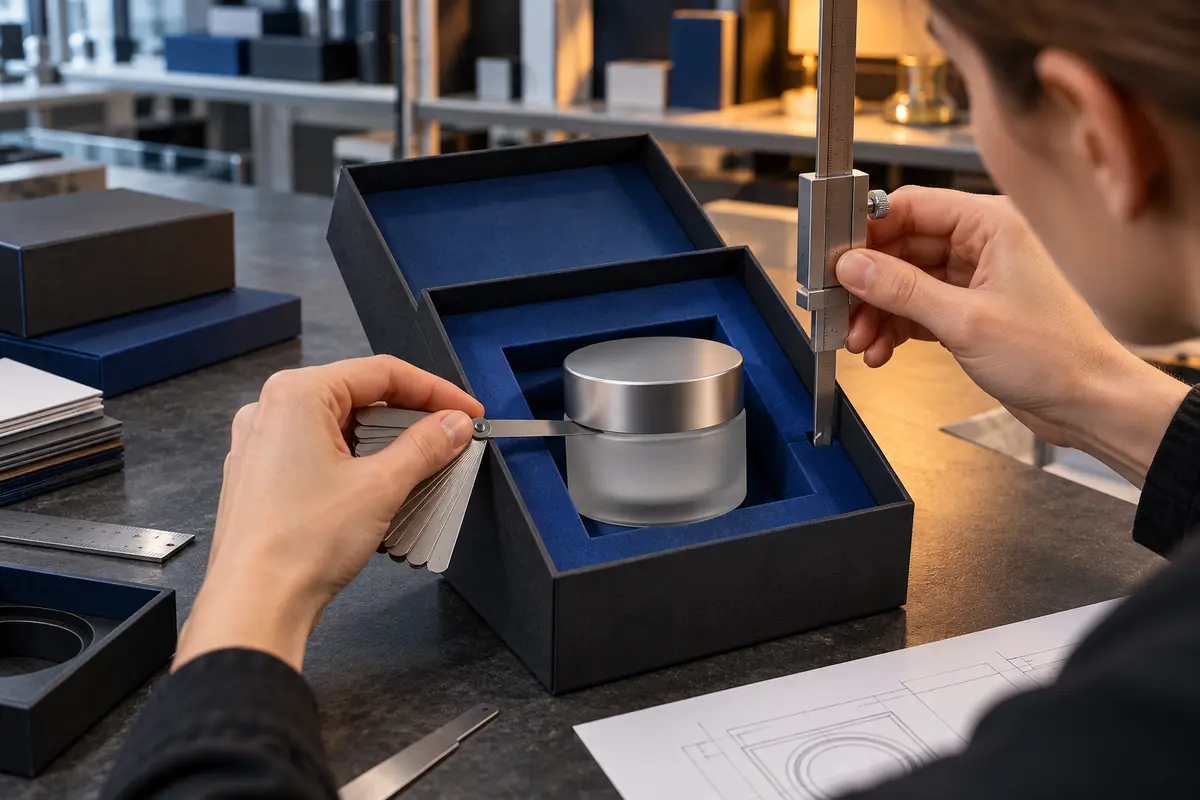
What Does a Box Insert Have to Do?
Every insert job breaks into three functions, and each material performs them differently:
- Retention: the cavity holds the product in one position so it cannot travel to a box wall, tip over, or rub another item.
- Cushioning: the material takes and spreads impact energy during a drop instead of passing it into the product.
- Presentation: what the customer sees inside the box — edge quality, controlled depth, and a surface able to carry print or a finish.
Keep the definition narrow. An insert is the internal structure that carries the product. Closure and finishing hardware — magnets, 고삐, handles and window film — sits outside this comparison; that selection is covered on our packaging accessories page and is not developed here.
The materials trade against each other predictably: one that cushions aggressively usually looks crude at the shelf, one that presents cleanly often costs more per piece. Every insert also consumes internal volume — the box cavity must fit the insert’s outer dimensions, not just the product — so material and box size get decided together.
What Can Paperboard and Corrugated Inserts Do?
Paperboard covers more structures than most buyers expect, and we produce all of them in-house alongside the box:
| Paperboard structure | How it works and where it fits |
|---|---|
| Die-cut card inserts | Solid board or greyboard cut and scored on a steel-rule die, folded into pockets, collars and partitioned grids, and assembled with glue or friction fits. The workhorse for gift sets, cosmetics and small electronics. |
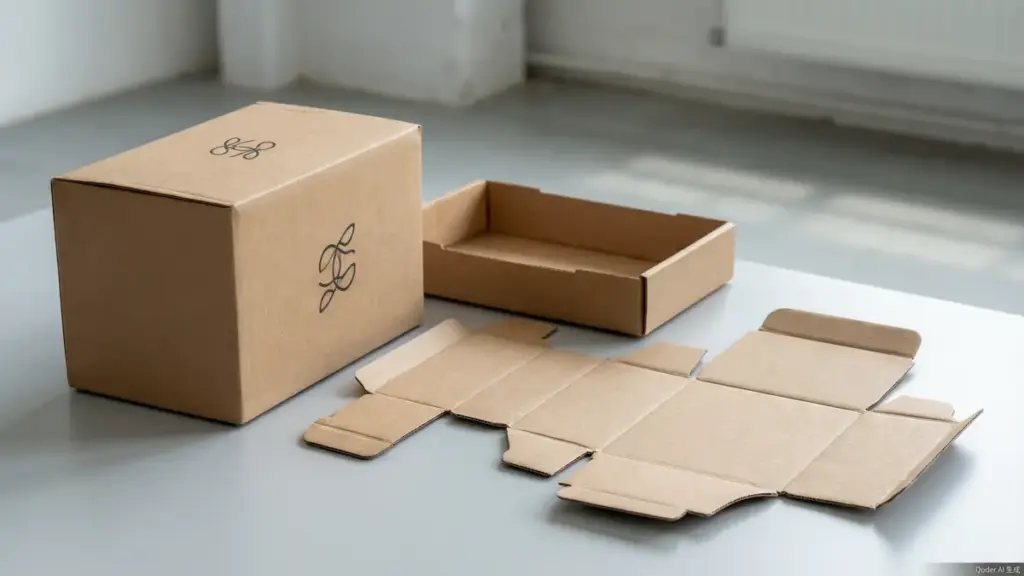
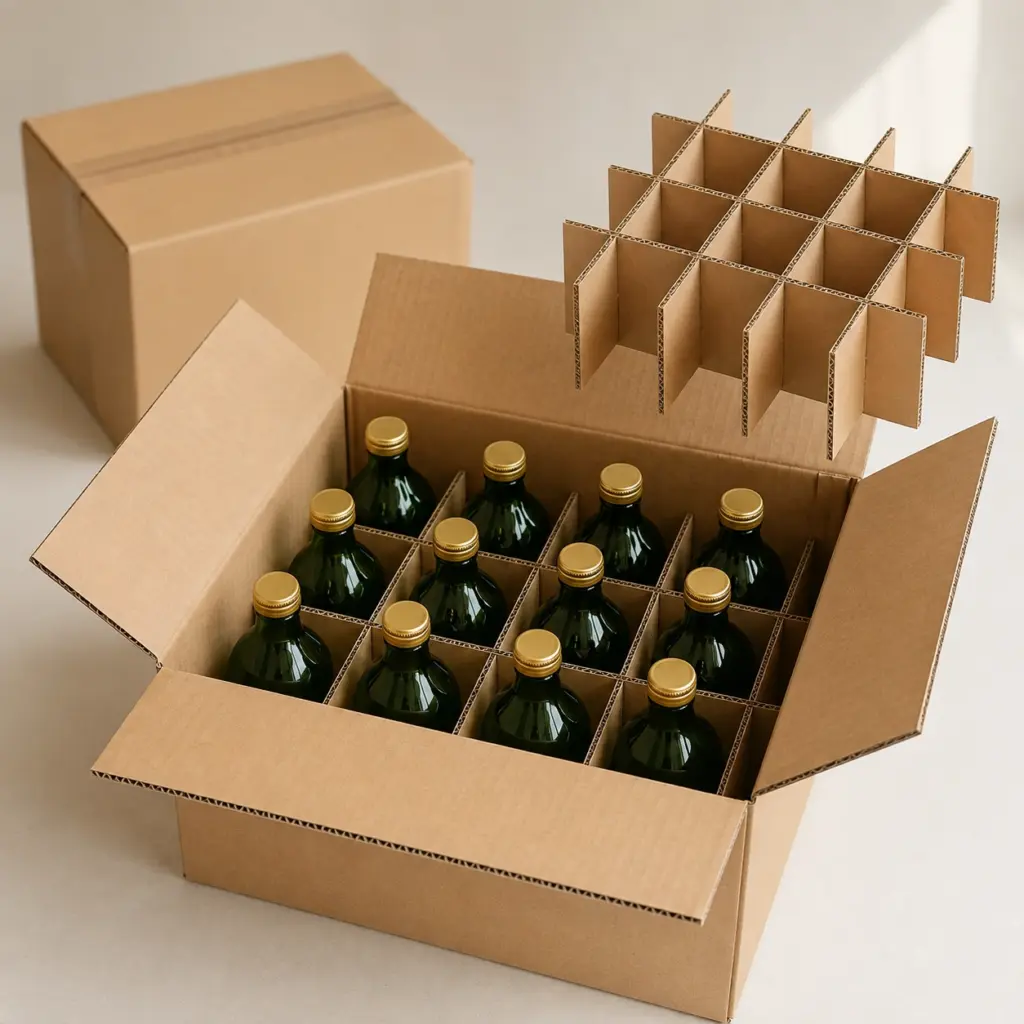
| 골판지 인서트 | The same principle with a fluted core for stiffness and some cushioning; 우리의 골판지 인서트 article covers the structures we quote most often. |
| Hemmed and rolled edges | Board edges turned or wrapped so the cut profile stays hidden. This is the detail that separates a retail-ready insert from a raw one, and the same technique behind our 인서트가 있는 종이 튜브 builds. |
| Layered builds | Cards stacked or fixed into a base tray to create different cavity depths for mixed items. |
On protection, a paperboard insert works mainly by immobilising the product. Stiffness helps the pack survive stacking, but thin card recovers little from a sharp drop, so thickness, layering and cavity clearance are the levers. For light and medium items held firmly that is typically enough. A heavy glass item shipped direct should not rely on board alone before a packed-sample trial.
On appearance and cost this family is strongest. We can print directly on the insert, add foil or spot varnish, or cover it with decorative paper. Tooling is a cutting die rather than a mould, 그래서 a late cavity change costs a die adjustment instead of a new tool, and reorders repeat against the same die. A board insert in a paper-based box shares one fiber stream, although a laminated facing or a plastic fitting makes acceptance a question for your local collection system.
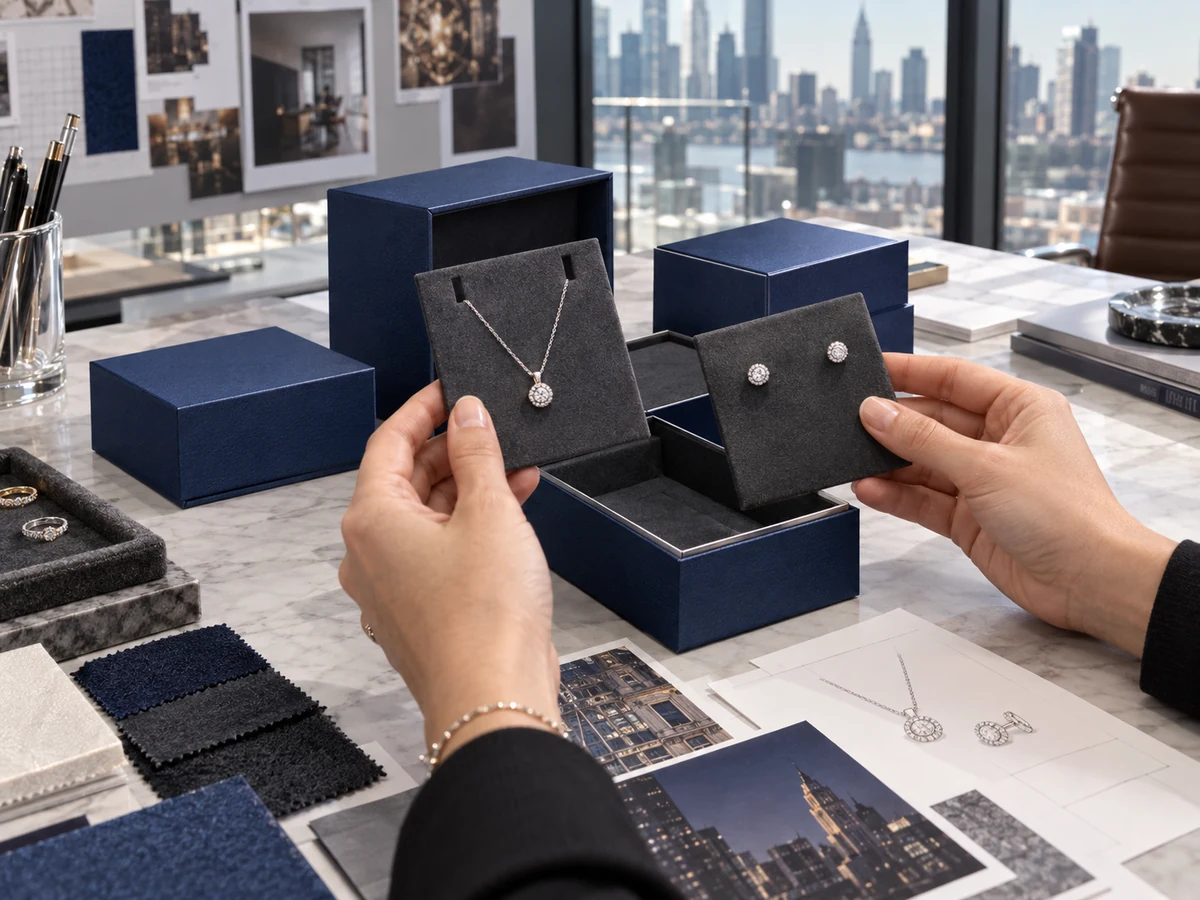
When Do Molded Pulp Inserts Make Sense?
Molded pulp is formed by shaping wet recycled fiber onto a tool and drying it. Electronics and appliance brands specify it where shock absorption outranks shelf presence, and pulp specialists quote two surface grades: a coarser transfer-molded finish and a finer thermoformed one. The protection case is strong — cradles can be shaped around an irregular product and absorb repeated impact — but tolerances move more than die-cut board does, so cavities need clearance.
Cost sits mostly in the tool: a formed mould is an up-front commitment, which suits volume and is hard to justify on a short gift-box run. The surface reads matte and fibrous, and many brands close that gap with a printed sleeve. Pulp is fiber-based and discussed as recoverable, though coatings and wet-strength additives complicate acceptance. Pulp tooling comes from converters outside our board production.
What Are the Trade-Offs of EPS Foam?
Expanded polystyrene is the familiar bead foam, molded into a shaped block or cut from one. It appears constantly in appliance, electronics and furniture packaging because it cushions strongly for very little added weight, and per-piece cost falls quickly as volume rises.
Its weaknesses are why premium brands avoid it. EPS cracks and sheds beads after compression, does not recover its shape, and generates static. It reads as transit material the moment a customer opens a gift box. Where EPS stays in a premium pack, it is usually concealed behind a sleeve. Mould and block preparation also sits with foam converters rather than with us.
End-of-life is the hardest part of the EPS story for buyers with sustainability targets. EPS is technically recyclable, but household collection in many areas does not accept clean expanded foam packaging. Where it is recovered, it generally moves through drop-off or densification channels rather than the curbside bin.
When Is EVA Foam Worth the Cost?
EVA is a closed-cell sheet material, cut to profile on a CNC or laser path and often laminated in layers so each item sits at its own depth. You see it in tool cases, camera and drone packaging and sample kits, where the cavity must match the product closely.
Protection comes from precision rather than thickness: a cut cradle supports the item on several faces and sheds no beads. Appearance is the second reason buyers pay: clean cut lines, color options, and retail-ready surfaces without a sleeve. The cost is per piece rather than up-front, and it is usually the highest of the four. Foam suppliers field questions about lint and friction fits that make small items hard to remove. Foam is not a fiber stream, so recovery depends on your local collection system.

How Do the Four Insert Materials Compare?
Every cell below is a qualitative band, not a quotation, a measured test result or a standard value. Confirm anything that matters against your product, your route and the supplier quoting the job.
| Dimension | 판지 / 골판지 | 성형펄프 | EPS foam | EVA 폼 |
|---|---|---|---|---|
| Protection | Immobilises light to medium items; board stiffness supports stacking; limited rebound after a sharp drop | High energy absorption; formed cradles suit irregular shapes | Strong drop cushioning at minimal weight; can crack or shed beads after compression | Precision cradle with good shock absorption; holds by close friction fit |
| Cost tier | Lower tooling; competitive from short to mid runs | Tool cost up front; unit economics improve with volume | Low per piece at volume; mold or block preparation drives entry cost | Usually highest per piece; material and cutting time |
| Appearance | Clean edges, direct print and finishing, hemmed or covered surfaces | Matte and fibrous with soft edge definition; dyed or sleeved | Reads as transit material unless covered or sleeved | Sharp cut lines, color options, retail-ready without a sleeve |
| Recycling behavior | Fiber stream, the same as the box when both are paper-based | Fiber-based, but coatings and additives complicate acceptance | Recovered through limited, specialized channels | Not a fiber stream; collection is uncommon |
| Lead time | Fastest for custom geometry; die and layout changes are routine | Mold making adds the main block of time | Mold or block preparation before cutting | Cutting path programming; short runs stay manageable |
Read it by column:
- Appearance and reorder flexibility lead: the paperboard column wins.
- Shock absorption for a heavy or irregular item leads: pulp and EPS win, and the outer pack must do the visual work.
- Precision cavities and retail-ready surfaces lead: EVA is the reference point.
Whether any of these streams is collected near your customer is a question about local systems, not about the material alone.
How Do You Match Inserts to Product and Box?
Material choice gets concrete once it meets a box style and a product profile:
| Box and product scenario | Insert choice that fits |
|---|---|
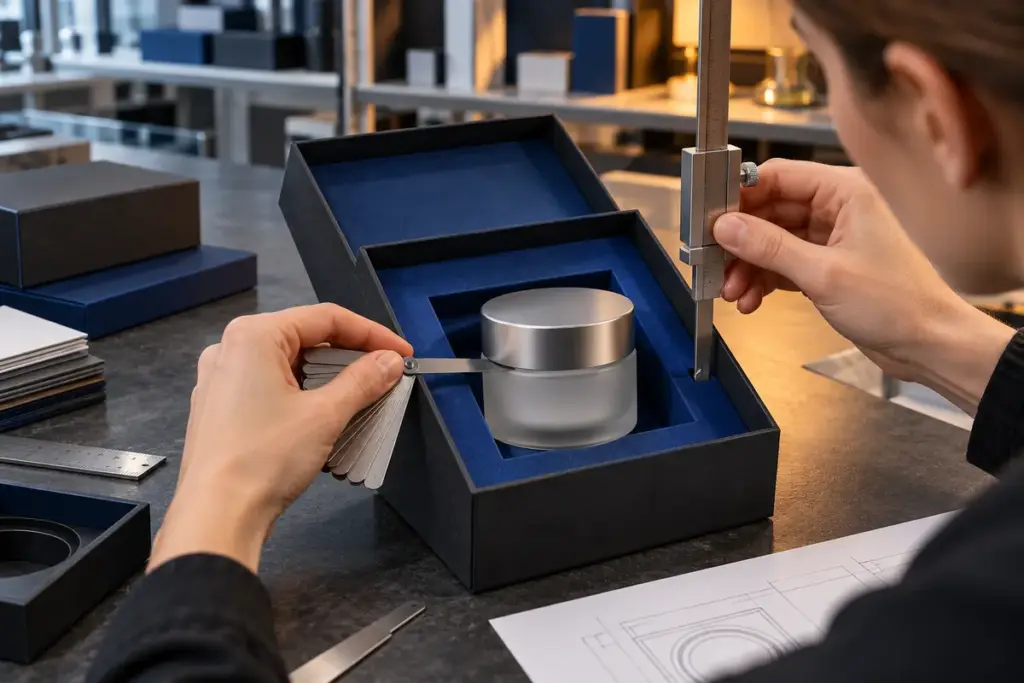
| Rigid gift boxes | A covered or hemmed paperboard insert keeps interior edges clean under a lid, which is what most 단단한 상자 programs need. Exposed foam fights the presentation the box is buying. |
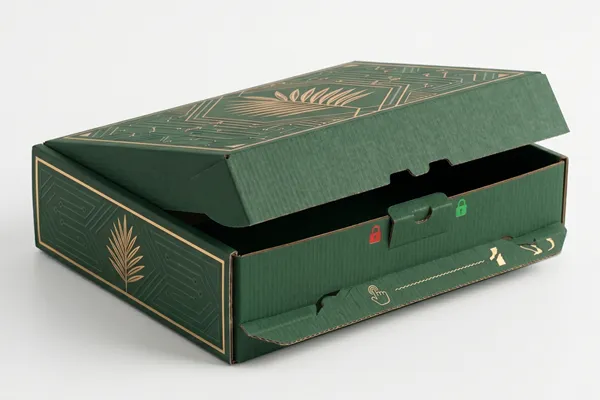
| Die-cut corrugated mailers | E-commerce routes favor a fitted corrugated or board tray that immobilises the item and stays in one fiber stream when the parcel is opened. |
| Single high-value items | Tight pockets and clean surfaces matter more than cost per piece, so buyers usually start with EVA or a fine-graded pulp cradle. |
| Multi-item sets | Layered board builds, or a shared outer box with SKU-specific inserts, hold one carton size while the cavity changes per kit. |
Weight and drop profile decide how much cushioning the material must supply alone. A light palette in a well-fitted box can be protected by fit; a heavy jar needs a material that absorbs energy.
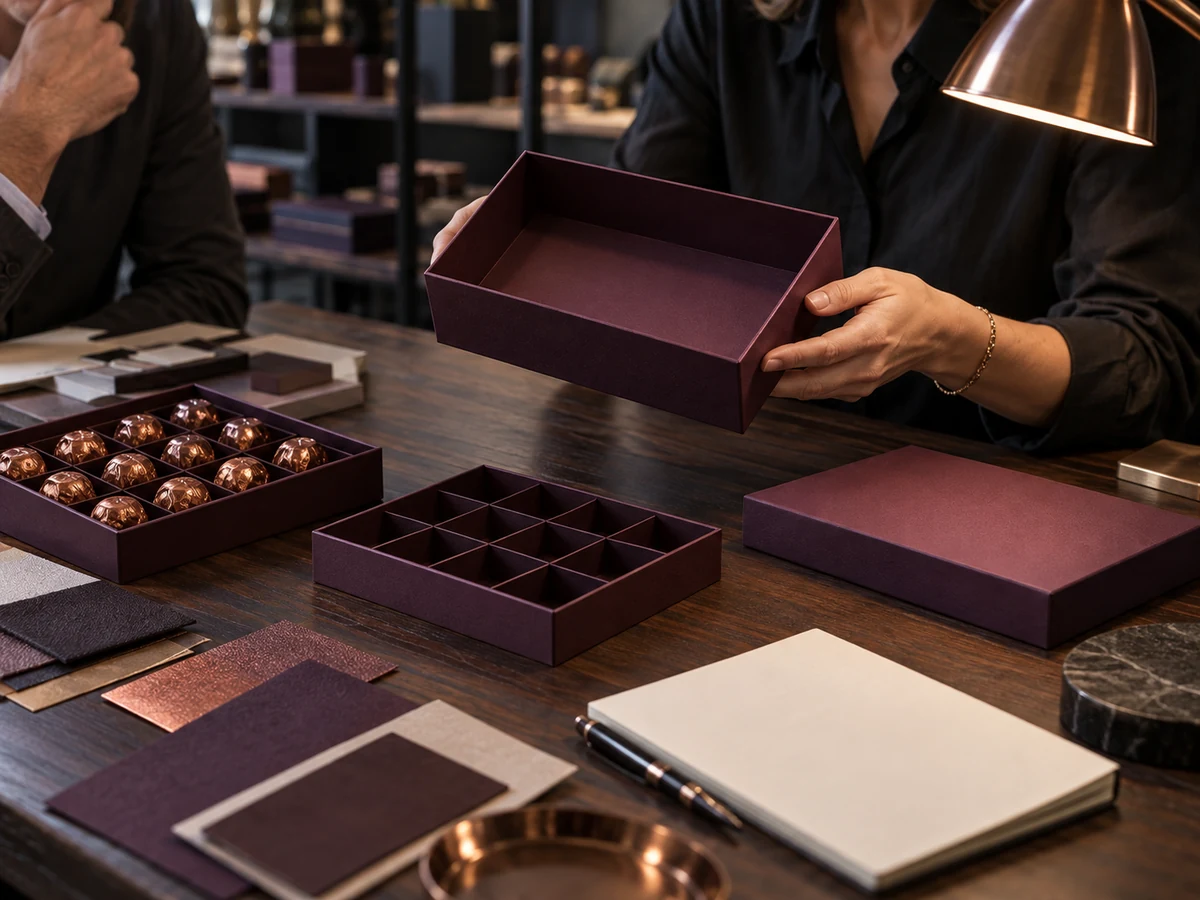
Two single-scenario pieces on this site go deeper where they apply. 그만큼 jewelry box insert selection guide covers the small, high-presentation case. The corrugated and tube articles linked earlier own their own structures.
Then run the fit test before committing any of the four. Build the insert into the intended box, load the product at its smallest and largest production variants, and check removal force, corner contact and whether the lid closes without pressure. The insert that survives that test is the one that goes on the drawing.
자주 묻는 질문
Is a paperboard insert as protective as foam?
For light to medium products, a fitted paperboard or corrugated insert typically controls the damage mode that matters most: movement inside the pack. Foam absorbs more energy from a single sharp drop, so heavier or very fragile items usually need that absorption rather than stiffness alone. A packed-sample trial settles it.
Which insert material is cheapest?
Split it the way a quotation does. Paperboard and corrugated inserts carry low tooling and stay competitive on short and mid runs, so they are usually the lowest-risk starting point. Molded pulp and EPS need tool or block preparation, and their per-piece cost falls with volume. EVA is usually highest per piece. Then add damage rate: a cheap insert that produces returns is not cheap.
Can inserts be recycled with the box?
Whether they are collected depends on your local collection system. A paperboard insert in a paper-based box shares the same fiber stream, the simplest case, while coatings, laminated facings, fittings and plastic foams each change what a program accepts. Confirm with your municipality or recovery provider rather than reading a material label as disposal instruction.
Does adding an insert mean ordering a bigger box?
It means sizing the box from the insert’s outer dimensions rather than the product alone. Board thickness, folded walls, hemmed edges and layered builds all consume internal volume, and the cavity must still accept the product at its maximum production size. Measure the assembled insert first, then confirm the box’s internal size against it.
Can one insert serve several SKUs?
예, and it is a common way to hold one carton size across a range. Use a shared outer footprint with SKU-specific cavity cards, layered builds, or partitions that adapt to different item counts. Test the smallest and largest products in the same cavity and label the insert variant so fulfilment does not guess.
Can a foam-free insert pass a real shipping route?
For many light and medium products, yes — a well-fitted board or corrugated system replaces molded foam and keeps the pack in one fiber stream. For dense, sharp-cornered or highly fragile items, board alone may not absorb enough energy, and the alternatives are pulp, foam or heavier engineered board. Treat that as a test result on your own product.
What do you need to quote an insert?
For paperboard and corrugated inserts, send the product’s maximum dimensions and weight, the box style, how many items per box, and how the lid must close. We then propose the board build, cavity layout and prototype path. 성형펄프, EPS and EVA come from tooling-focused converters, and the same product data is what they will ask for.
최종 생각
Four materials, one decision frame. Paperboard and corrugated inserts win on presentation, 공구 비용, reorder speed and single-stream disposal, and they protect by holding the product still. Molded pulp and EPS win on raw energy absorption for heavier items and ask for tool investment up front. EVA wins on cavity precision and retail-ready surfaces, and pays for it per piece.
Start from the product’s real damage mode, then the box style carrying it, then pick the material. Most gift, cosmetics and light electronics programs land on a board-based insert. Their brief is fit plus appearance plus a clean reorder. Heavy or drop-exposed items should be tested before board is assumed sufficient.
Share the product dimensions, box style and items per box so the insert structure can be matched to the pack.
PK Paper Box will propose the paperboard or corrugated insert structure and prototype path.