Перейти к содержимому
Folding cartons are made through several steps, including design, paperboard selection, печать, die-cutting, folding, and gluing. These cartons are widely used across multiple industries because they offer lightweight construction, customization flexibility, and efficient shipping. Learn more about folding cartons and their common applications. This guide covers the complete manufacturing process and key factors that affect carton quality.
PK Packaging provides custom folding carton solutions from design and sampling to mass production.
How Are Folding Cartons Made?
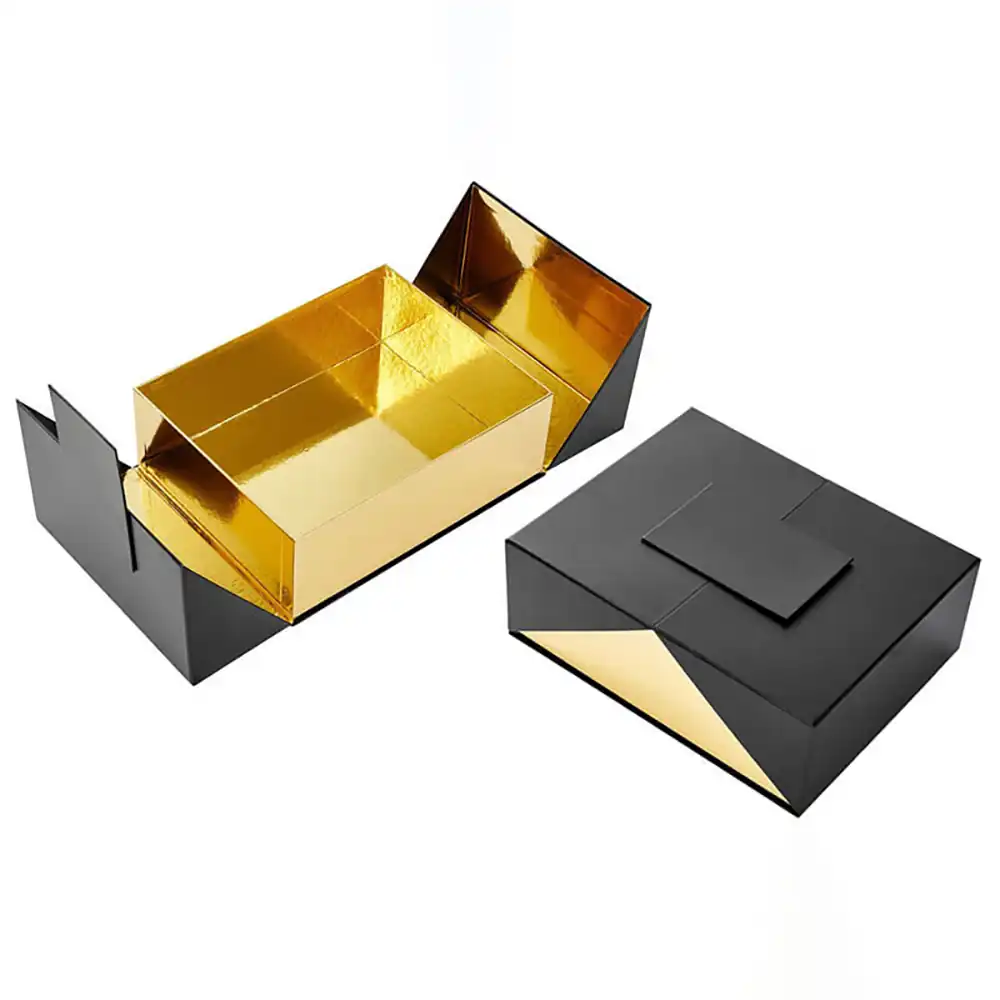
Folding cartons are made by printing, cutting, and creasing flat paperboard, which is then folded and glued into its final 3D shape, ready for product filling.
Structural Design and Prepress
The process begins with creating a dieline, a digital blueprint that defines the carton’s cut lines, crease lines, and folding structure. Based on the approved design, artwork is prepared and arranged on paperboard sheets to improve material efficiency. Printing files are then finalized for production.
Printing and Finishing
Paperboard sheets are printed using processes such as offset lithography to achieve accurate colors and high-quality graphics. After printing, coatings and finishes such as varnish, тиснение фольгой, тиснение, or lamination can be applied to improve durability and enhance the carton’s appearance.
Die-Cutting and Stripping
Printed sheets are processed through a die-cutting machine, where custom dies cut the carton shape and create crease lines for folding. Excess paperboard is removed, leaving clean carton blanks ready for the next production stage.
Folding and Gluing
The die-cut blanks are transferred to folder-gluer machines, where they are folded along the crease lines and bonded with adhesive. The finished cartons are formed into flat-packed units for efficient storage and transportation.
Final Inspection and Shipping
Before shipment, finished cartons are inspected for key factors such as dimensions, print quality, and structural performance. Approved cartons are counted, bundled, packed, and labeled before being shipped flat to the customer’s facility.
Different packaging structures require different manufacturing approaches. Explore our guide to common folding carton styles and their best uses to understand how carton design affects production.
How Are Packaging Requirements and Paperboard Selected?
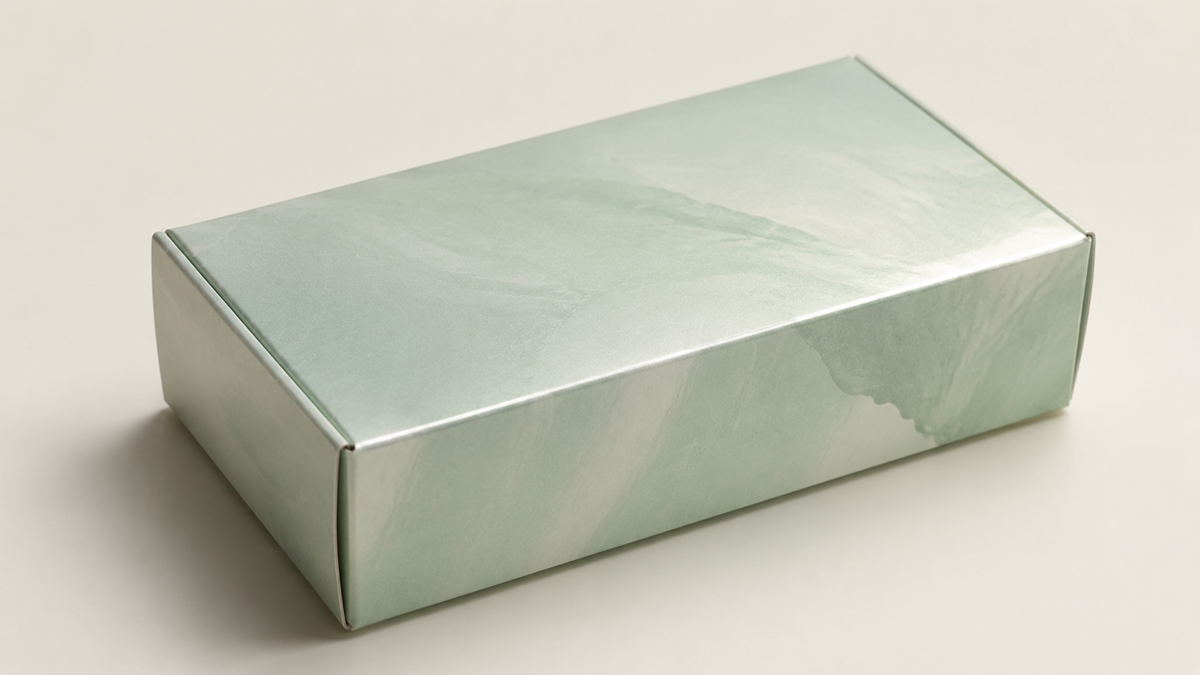
Selecting paperboard isn’t guesswork. It’s a structured process that translates product, supply chain, and brand needs into a locked-in technical specification before production begins.
Paperboard selection is based on factors such as product requirements, supply chain conditions, brand goals, and performance expectations. Different carton applications require different levels of strength, printability, and protection.
Define Packaging Requirements
| Factor | Key Considerations |
|---|---|
| Product Requirements | Размер продукта, weight, fragility, filling method, and protection requirements. |
| Supply Chain | Transportation conditions, stacking requirements, storage environment, and handling processes. |
| Branding | Printing quality, color consistency, decorative finishes, and shelf presentation requirements. |
| Согласие | Material safety, labeling requirements, and industry-specific regulations. |
Evaluate Paperboard Performance Factors
| Factor | Impact on Folding Carton Performance |
|---|---|
| Stiffness | Improves carton strength, prevents deformation, and enhances shelf appearance. |
| Surface Quality | Affects print clarity, color consistency, and the overall visual quality of the packaging. |
| Grain Direction | Supports cleaner folding, better structural stability, and reduced cracking during production. |
| Устойчивое развитие | Balances environmental goals, recycled content, material availability, and production cost. |
Paperboard selection also involves considering material properties, sustainability goals, and packaging requirements. Many brands also consider responsible sourcing requirements when choosing paper-based packaging materials. More information about responsible forest management and certification standards can be found through FSC standards.
Elevate Your Brand with Custom-Engineered Packaging

How Are the Carton Structure and Dieline Developed?
Developing a folding carton structure converts product requirements into a precise dieline, which defines the carton’s dimensions, folding method, and manufacturing specifications.
Define Requirements and Select Structure
The design process starts by analyzing the product size, weight, protection needs, filling method, and brand requirements. Based on these factors, engineers select a suitable carton style, closure method, and paperboard specification to ensure proper performance during packaging and transportation.
Create the Dieline
Using CAD software, designers convert the 3D carton concept into a 2D dieline that defines cut lines, crease lines, glue areas, and folding sequences. The dieline ensures the carton can be accurately produced and assembled on manufacturing equipment.
Prototype Testing and Final Approval
Before mass production, manufacturers create samples to verify product fit, folding performance, and structural strength. After testing and adjustments, the approved dieline is used for production tooling and full-scale manufacturing.
How Is a Folding Carton Sample Produced and Approved?
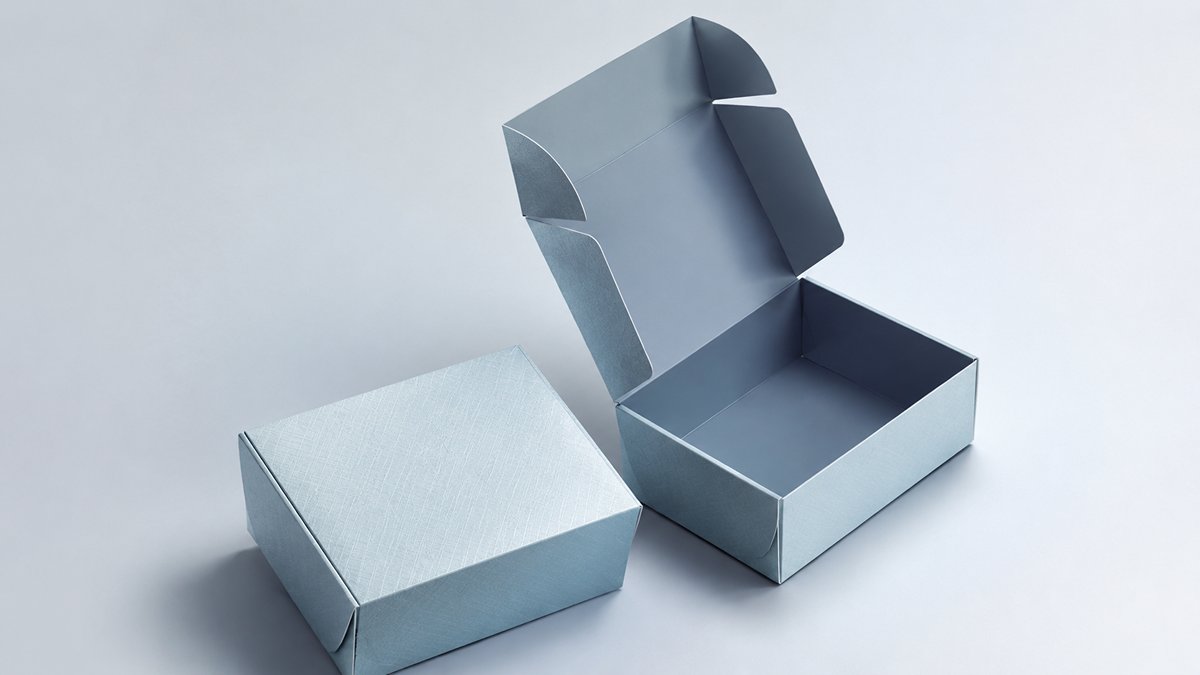
Before mass production, a folding carton sample is created to verify the design, структура, and appearance. This step helps identify potential issues early and ensures the final carton meets both functional and visual requirements.
Prototype Creation and Structural Testing
Manufacturers create a physical prototype based on the approved dieline and selected paperboard. The sample is checked for key factors such as product fit, folding performance, closure strength, and compatibility with the intended filling process. This allows structural problems to be corrected before full-scale production begins.
Print Review and Final Approval
After the structure is confirmed, printed samples are reviewed for artwork alignment, color accuracy, and finishing effects such as coatings, тиснение, or foil stamping. The brand owner evaluates the sample against the approved specifications and provides final approval before manufacturing starts.
How Are Folding Cartons Printed and Finished?
Folding cartons are converted from printed paperboard sheets into finished packaging through a sequence of coating, die-cutting, creasing, and automated folding and gluing.
| Production Stage | Key Processes |
|---|---|
| Printing Carton Graphics | Carton designs are printed on large paperboard sheets using processes such as offset lithography for high-volume production or digital printing for shorter runs. Multiple layouts are arranged on each sheet to improve material efficiency, while CMYK and spot colors are controlled for accurate color reproduction. |
| Applying Coatings and Finishes | Protective coatings such as aqueous or UV varnish help prevent scuffing and create matte or gloss effects. Premium finishes, включая тиснение фольгой, тиснение, and window patching, can be added to improve appearance and functionality. |
| Die-Cutting and Creasing | Printed sheets are processed with steel-rule dies that cut the carton shape and create crease lines. The creases allow clean folding, while excess paperboard waste is removed and recycled. |
| Folding, Gluing, and Packing | Die-cut blanks are fed into folder-gluer machines, where they are folded along crease lines and bonded with adhesive. The finished cartons are packed flat for efficient storage and shipment. |
How Are Finished Folding Cartons Inspected and Shipped?
Final inspection ensures finished folding cartons meet approved specifications before they are packed and shipped. Manufacturers check key factors such as carton dimensions, print quality, structural integrity, and glue performance to confirm the cartons are ready for filling operations.
Final Quality Inspection
Finished cartons are inspected against approved samples to verify appearance and performance. Common checks include print accuracy, folding quality, carton dimensions, and adhesive strength. Any defects affecting functionality or product requirements are identified and removed before shipment.
Packing and Shipment Preparation
After approval, cartons are counted, bundled, and packed flat to reduce shipping space and prevent damage. Protective packaging methods are used to avoid issues such as surface scratches, moisture exposure, or deformation during transportation.
Cartons are then palletized and labeled with essential information such as product details, quantities, and batch numbers for easier tracking. Shipping documents, including packing lists and quality records, are prepared to ensure smooth delivery to the customer’s facility. quantity record from our door to yours.
Frequently Asked Questions
How are folding cartons manufactured?
Folding cartons are made through a multi-stage converting process. It begins with structural and graphic design to create a dieline. Paperboard is then printed and may have finishes like coatings or foils applied. Next, a die-cutting press cuts the carton shape and creates crease lines. Waste material is stripped away, and the flat blanks are fed into a folder-gluer machine that folds and glues them into their final collapsed form, ready for packing and shipping.
What paperboard is used to make folding cartons?
Folding cartons are typically made from paperboard grades ranging from 10 к 36 points in thickness. The most common types are Solid Bleached Sulfate (SBS) for premium cosmetics and pharmaceuticals, Coated Unbleached Kraft (CUK) for beverage carriers and frozen foods due to its strength, and Coated Recycled Board (CRB) for cost-effective applications like cereal boxes and dry goods.
What is the purpose of a folding carton dieline?
A dieline is a precise 2D technical blueprint that serves two main purposes. First, it guides manufacturing by defining all the cut lines, crease (fold) lines, and glue areas needed to produce the physical carton. Second, it acts as a template for graphic designers to ensure artwork, логотипы, and text align correctly with the carton’s panels and flaps.
How long does custom folding carton production take?
After the design and artwork are finalized and approved, standard production for custom folding cartons typically takes 10 к 25 working days. This can be as fast as 3-5 business days for rush digital orders. The total project time, including initial design, sampling, production, and shipping, often ranges from 4 к 6 weeks for a new project.
Final Thoughts
High-quality folding cartons depend on precise control throughout the manufacturing process, from material selection to final inspection. Working with an experienced manufacturer helps ensure consistent quality and reliable packaging performance.
Contact our team for custom folding carton solutions tailored to your product needs.