Custom paper bags should do more than match a brand color. They must fit the purchase, carry its weight and remain comfortable from checkout to destination. For packaging buyers, the approval decision should connect the paper, manijas, reinforcement, base and printing to a defined retail use.
This guide focuses on carrier bags for boxed cosmetics, ropa y regalos. It explains how to compare supplier proposals, review samples and document acceptance criteria without assuming that a thicker sheet or a premium finish guarantees carrying performance.
Define the Retail Job Before Choosing the Paper
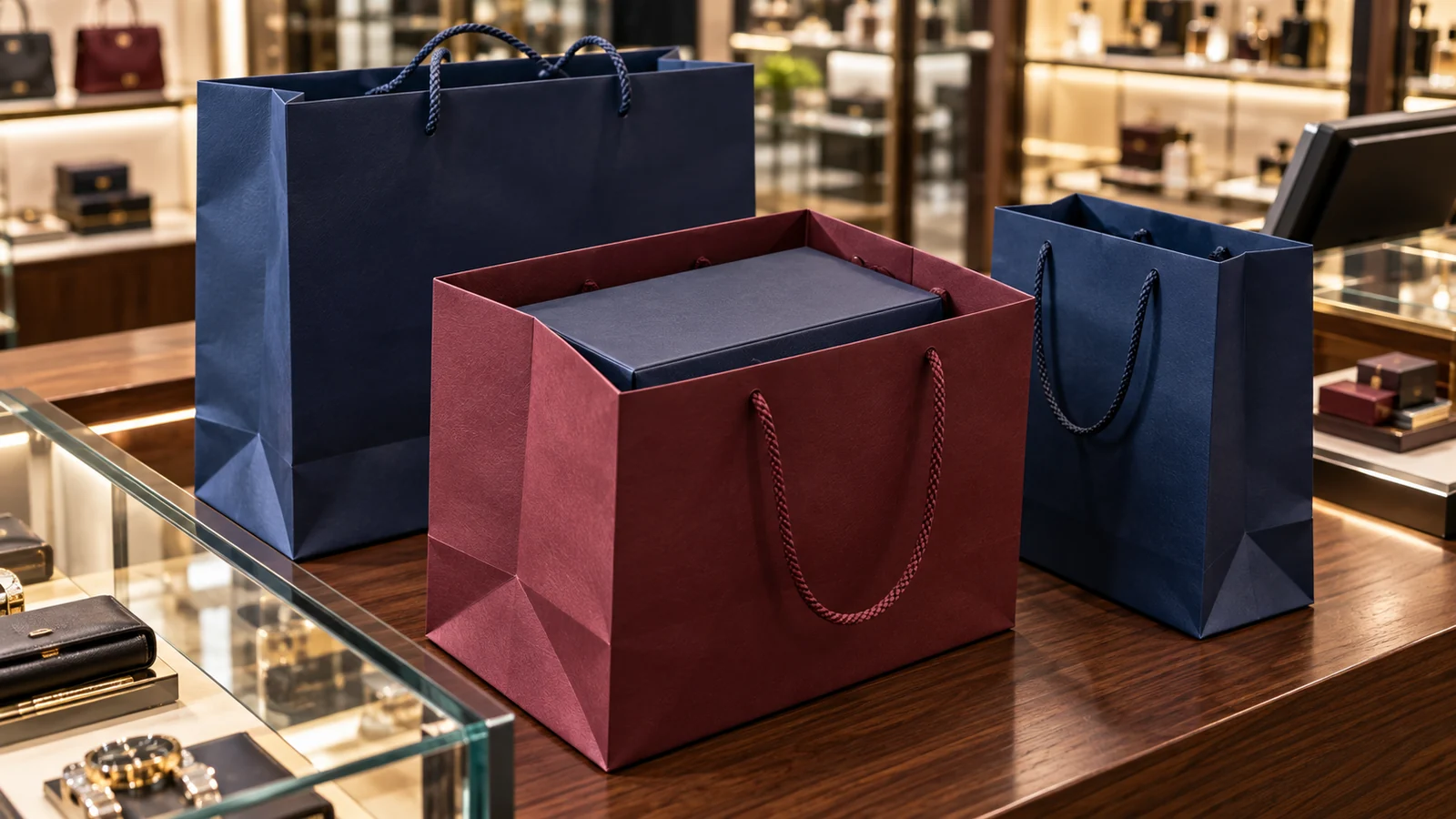
Start with the contents. Record the largest boxed item, typical purchase combinations and the heaviest realistic combination a customer may carry. Include tissue, promotional cards and secondary boxes when checking space. A bag selected around one display item can become awkward when the customer buys several products.
Próximo, describe the journey: a short indoor walk, a shopping trip with repeated lifting, or collection of a bulky gift set. Identify likely exposure to damp hands, accidental splashes and crowded transport. These conditions are purchasing inputs, not promises that every paper structure can withstand them.
When comparing custom paper bags, ask suppliers to propose the complete construction for that use. Separate appearance requirements from functional requirements so a change to the coating, handle or reinforcement cannot pass unnoticed as an equivalent substitution.
Use One Brief for Every Supplier
A useful brief states the contents, required dimensions, intended carrying load, handle style, print files, quantity by size and acceptance checks. Include an actual product sample or a dimensioned box drawing. The same brief makes comparisons more meaningful than quotations based on a photograph alone.
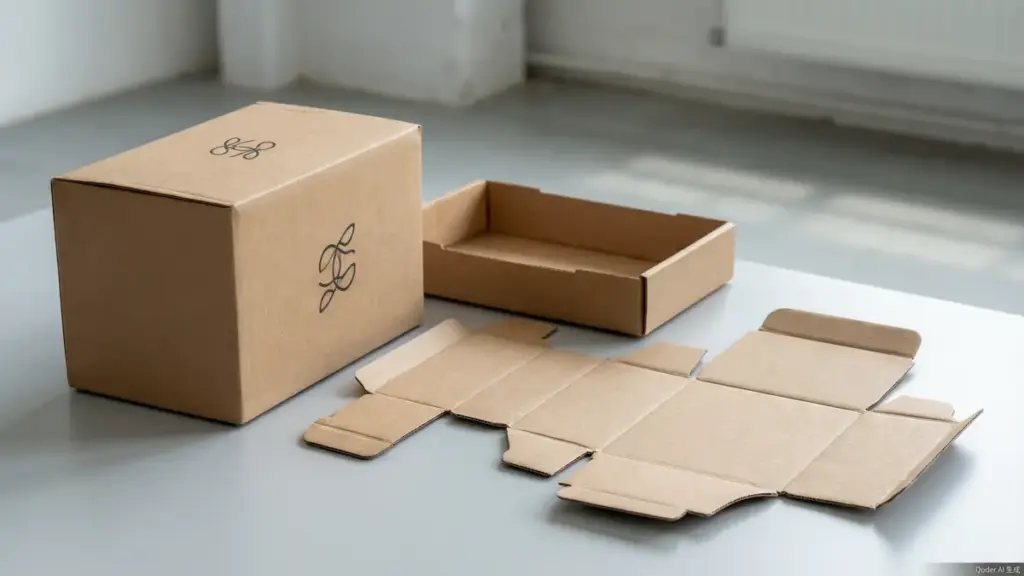
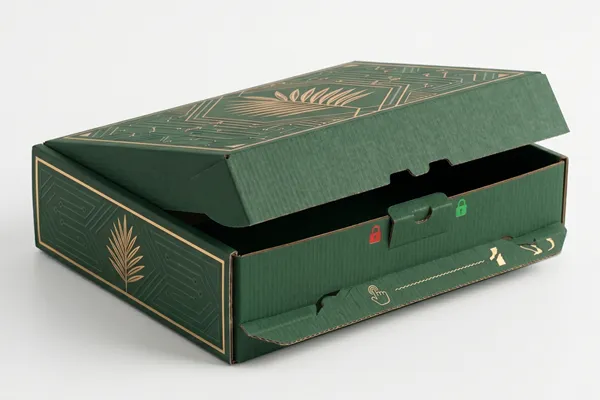
If the enclosed packaging is still changing, coordinate the bag with the caja de regalo rígida before approving either component. De lo contrario, a later box revision can force a second bag size and another artwork adjustment.
Specify Bag Dimensions Around the Complete Purchase
Write the dimension order clearly, such as width × gusset depth × height. Confirm whether the quoted measurements describe the finished bag and how the supplier measures the usable opening. Folded top edges, reinforcement and handles may affect loading even when nominal dimensions look generous.
For paper bag size for gift boxes, assess the packed box rather than the product inside it. Check that staff can insert and remove the box without catching its corners. Also confirm that the base supports the intended arrangement and that the customer can close their hand around both handles.
An oversized bag may let small purchases shift around. An undersized bag may crease the print panels or put pressure on the gussets. Review the normal purchase and the largest approved combination; do not approve a size solely because the box can be forced through the opening.
Validate Multi-Item Purchases
Prepare representative loading arrangements for each retail size. Photograph how staff place the products, where the handles sit and whether sharp box corners contact stressed areas. For broader dimensional planning, use the packaging size guide alongside the bag sample.

Compare Paper and Handles as One Structure
Paper grammage describes mass per unit area. It does not provide a finished-bag load rating. Fiber characteristics, sheet direction, pliegues, glue application and reinforcement all influence the assembled structure. Por lo tanto, a paper bag material specification should identify the proposed paper and construction, followed by finished-sample evaluation.
CEPI Eurokraft and EUROSAC explain through The Paper Bag quality guidance that material, glue and handle construction contribute to carrier-bag performance. Their discussion also describes repeated-lifting evaluation. Buyers should request evidence relevant to the actual design rather than infer capability from a general material description.
| Handle option | What to review | Sample question |
|---|---|---|
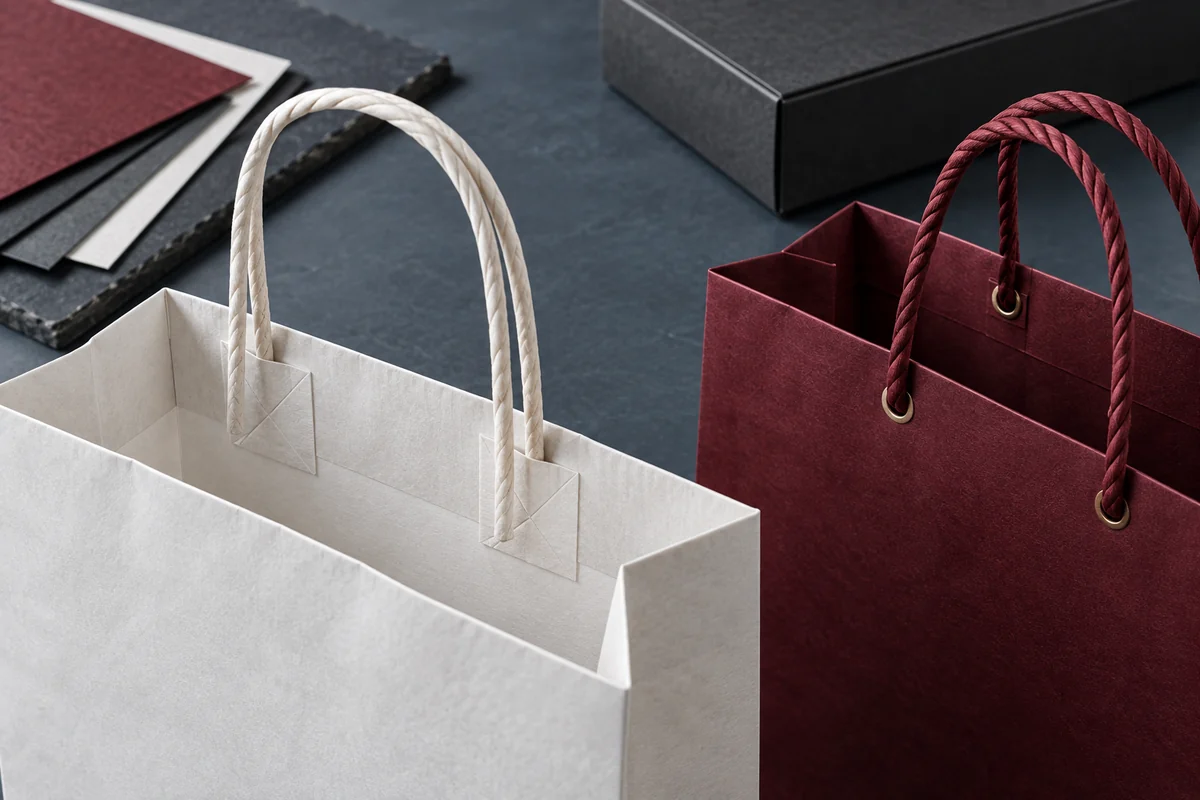
| Twisted paper handles | Handle bonds, patch placement and surrounding paper | Does the attachment remain secure during the agreed carrying check? |
| Flat paper handles | Bond area, folding and hand comfort | Can the loaded handles sit comfortably together? |
| Rope handles through holes | Hole reinforcement and end retention | Does repeated lifting distort the holes or pull the ends through? |
| Die-cut handholds | Opening shape, reinforcement and edge condition | Does the handhold remain comfortable without tear growth? |
There is no universal best handle. For twisted handle paper bags, a neat external appearance may hide a poorly bonded patch inside. For rope handle paper bags, inspect both the reinforced holes and the retaining ends. Make the attachment details part of the approved specification.
Check the Base and Seams
Paper bag handle reinforcement deserves attention, but the bottom and side seam also carry loads. Open the sample fully and inspect glue coverage, fold alignment and the contact area beneath the contents. A satisfactory handle cannot compensate for a base that opens or a seam that separates during use.
Approve Carrying Performance with a Documented Check
Set a paper carrier bag load test plan before issuing the order. Agree the sample construction, contents or equivalent load, conditioning, lifting procedure and pass criteria. If a formal standard or independent report is required, ask the laboratory to confirm the applicable method and scope.
The Paper Bag guidance references EN 13590:2003 for carrier-bag durability assessment. This is a source reference, not a claim that the bags offered for your project meet that standard. A supplier should identify the exact tested design, method and results before you use a certification or capacity claim.
For an internal purchasing check, record observations before and after the agreed handling sequence: handle movement, patch separation, hole distortion, tears, seam opening and base deformation. Clearly label this as an internal sample check. It does not replace a required laboratory assessment or establish an unspecified reusable-life claim.
Do not invent a standard number of lifts or a universal safe load. Those criteria must reflect the project and the chosen assessment method. Where products have sharp corners or concentrated weight, use the actual packed items to check local contact as well as overall carrying behavior.
Use custom paper bags made with the intended production materials for final functional approval. A handmade visual mockup can help confirm proportions, but a different glue, paper or handle attachment may produce different results. Keep the approved reference and document which features it represents.
Review Printing and Finishing Under Retail Conditions
Luxury retail paper bags need consistent appearance across sizes, without obscuring functional inspection. Review color, logo position and crease alignment on the assembled sample. Open and flatten the bag as store staff would; check whether visible panels show cracking, rubbing or distracting glue marks.
Evaluate finishes against the handling environment. A coating may change feel, gloss and surface behavior, but it does not automatically establish water resistance or load capacity. Include the selected finish in your sample approval and use the scuff resistance approval guide when defining appearance checks.
For custom printed shopping bags, confirm the artwork version, print locations, spot-color references and any foil or embossing areas. Keep important graphics clear of folds and handle holes. Coordinate the graphic system with accompanying cajas plegables while approving each material separately.
Keep Sourcing Claims Separate from Performance Claims
If the project calls for FSC-labeled packaging, verify the supplier’s applicable certification and the product claim before artwork approval. FSC chain-of-custody guidance explains traceability controls through the supply chain. A sourcing label does not establish the finished bag’s carrying capacity.
Asimismo, do not describe every paper-based bag as plastic-free, recyclable or compostable. Review handles, revestimientos, reinforcement and other components, then substantiate the intended claim for the destination market. Keep the material declaration and claim approval separate from the load-check record.
Request Comparable Quotes and a Clear Approval Record
For custom paper bags wholesale enquiries, request pricing against the same approved size, papel, handle construction, impresión y acabado. Ask suppliers to state quantities by size, tooling or setup costs, sample scope, packing method and delivery terms. Minimum order quantities and schedules require project-specific confirmation.
Retail paper bag sample approval should record the specification revision, approved artwork, dimensional observations, functional-check outcome and acceptable appearance. Use the structure and sampling process to coordinate visual and structural decisions. Keep changes traceable before production release.
Preguntas frecuentes
Does heavier paper always make a stronger bag?
No. Grammage alone cannot establish carrying capability. Review the paper, manijas, reinforcement, seams and base together, then evaluate the finished construction with an agreed method.
Which handle should a premium retail brand choose?
Compare appearance, hand comfort, materials and attachment details against the intended purchase. Approve the complete loaded bag rather than choosing handles from appearance alone.
How should a bag fit a boxed product?
Check the finished box with all wrapping and inserts included. Confirm easy loading, stable placement and enough handle clearance for the customer to carry the purchase comfortably.
Can one carrying result cover every bag size?
Do not assume so. Size and construction changes can affect performance. Ask the assessor which configurations the evidence covers and review other sizes where necessary.
Does an FSC label prove load capacity?
No. FSC addresses relevant sourcing and chain-of-custody requirements. Carrying capability needs separate evidence for the bag design and intended use.
What should I send for a quotation?
Enviar dimensiones del producto, purchase combinations, intended carrying load, tamaños, cantidades, artwork and finish preferences. Include the acceptance checks and destination requirements.
Plan Your Next Retail Bag Project
Share your boxed products, expected purchase combinations and brand requirements with Pack Packaging. Ask for a coordinated proposal for custom paper bags, with construction details, sample scope and approval checks stated clearly before ordering.