Pular para o conteúdo
Choosing between folding cartons and rigid boxes depends on your product requirements, budget, and brand positioning. This guide explains the key differences in cost, estrutura, durability, logistics, and applications to help you select the right packaging solution.
As a professional packaging manufacturer, PK Packaging provides custom folding cartons and rigid boxes designed for different product categories, from everyday retail goods to premium gift packaging.
What Is the Difference Between Folding Cartons and Rigid Boxes?
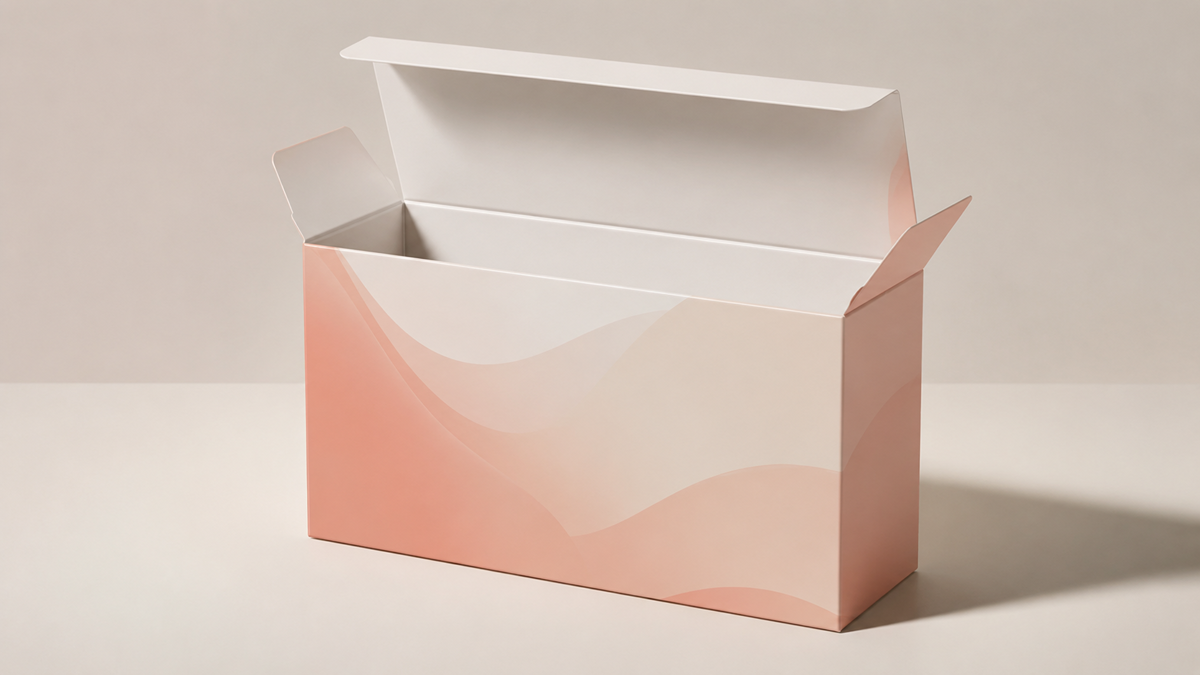
Folding cartons are lightweight, collapsible boxes for retail, while rigid boxes are thick, non-collapsible containers used for protection and a luxury unboxing experience.
Key Structural and Material Differences
| Feature | Folding Cartons | Caixas Rígidas |
|---|---|---|
| Estrutura | Collapsible structure designed to fold flat for storage and transportation. | Rigid, pre-assembled structure that maintains its shape without folding. |
| Material | Made from paperboard in different grades and thicknesses based on product requirements. | Made from thick chipboard panels, typically wrapped with decorative paper or fabric. |
| Thickness & Strength | Lightweight construction suitable for everyday retail products. | Thicker and more rigid construction designed for stronger protection and premium presentation. |
| Assembly Method | Die-cut, creased, folded, and glued from a single paperboard sheet. | Built by assembling separate chipboard panels into a solid box structure. |
| Storage & Shipping | Ships flat, reducing storage space and transportation costs. | Ships assembled, requiring more storage space and careful handling. |
| Best Fit | Cost-efficient packaging solution for high-volume retail products. | Premium packaging option for products requiring stronger presentation and brand impact. |
Printing and Finishing Options
Folding cartons are printed directly on the paperboard surface, allowing brands to use coatings, gravação em relevo, estampagem de folha, and other finishing techniques. Rigid boxes are usually wrapped with decorative paper, textured materials, or fabric to create a premium appearance.
How Are Folding Cartons and Rigid Boxes Constructed?
Folding cartons are die-cut from a single, flat paperboard sheet. Rigid boxes are built by assembling thick chipboard panels, which are then wrapped with a decorative outer layer.
The Folding Carton Manufacturing Process
Folding cartons are made from printed paperboard sheets that are cut and creased according to a custom dieline. After printing and finishing, the sheets go through die-cutting machines to create carton blanks, which are then folded and glued into flat-packed cartons.
This flat-pack design allows brands to save storage space and reduce shipping costs compared with pre-assembled packaging.
The Rigid Box Manufacturing Process
Rigid boxes are built differently from folding cartons. Instead of being folded from one sheet, they are constructed by assembling thick chipboard panels into a solid structure.
After the base, tampa, and walls are formed, the box is wrapped with decorative materials such as printed paper, papel especial, or fabric to create the final appearance. Because rigid boxes are non-collapsible, they are shipped fully assembled.
Choose the Right Box Structure for Your Product
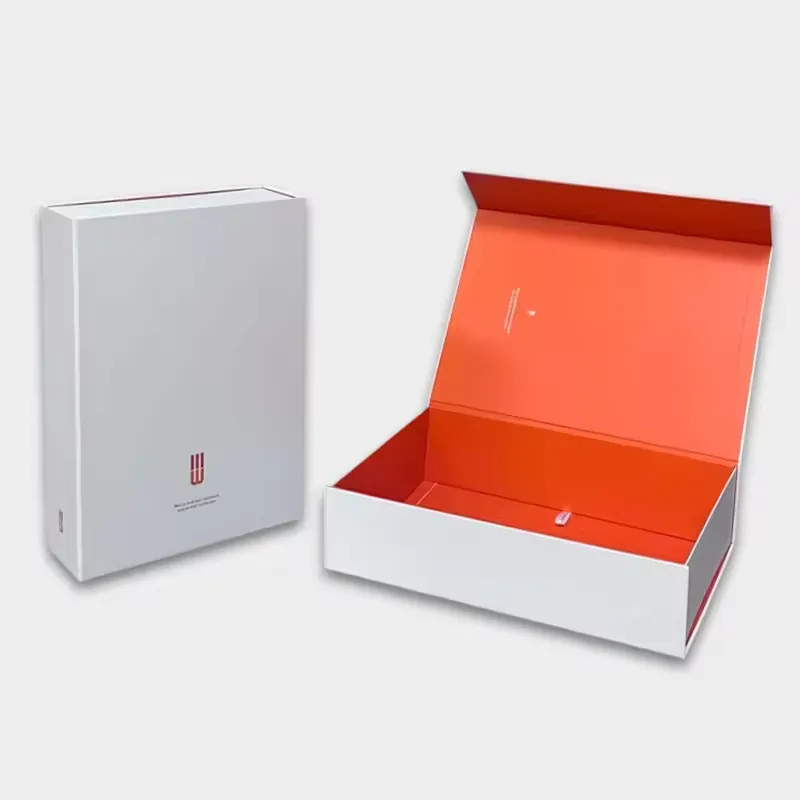
Which Box Creates a More Premium Presentation?
Rigid boxes create a stronger premium perception through their weight and structure.
Structural Integrity and Material Feel
Rigid boxes create a stronger sense of quality through their thick chipboard construction (typically 1.5–3 mm) and solid structure. Their non-collapsible design helps maintain shape and provides a more substantial feel compared with folding cartons.
Folding cartons use lighter paperboard selected according to product protection needs. While finishes like foil stamping, gravação em relevo, and specialty coatings can enhance their appearance, they generally focus more on efficient packaging and retail display.
Unboxing Experience and Presentation Mechanics
Rigid boxes offer more options for creating a memorable unboxing experience. Designs such as magnetic closures, caixas de gaveta, and book-style openings add interaction and improve product presentation.
Their stronger structure also supports custom inserts for better product positioning and protection. Folding cartons can include inserts and windows as well, but they are usually better suited for lightweight products and high-volume applications.
Cost vs. Perceived Value
Rigid boxes usually cost more than folding cartons because they require thicker materials, additional wrapping processes, and more manual assembly. They are often chosen when packaging plays an important role in product presentation and brand perception.
Folding cartons provide a cost-effective balance between appearance, protection, and production efficiency. With high-quality printing and finishing options, they can still create an attractive package for a wide range of consumer products.
How Do Cost, Quantidade mínima, and Production Time Compare?
Folding cartons win on cost and speed, built for high-volume efficiency. Rigid boxes cost more and take longer, but deliver a premium experience that justifies the investment for luxury goods.
Minimum Order Quantity (Quantidade mínima) Differences
MOQ depends on the supplier, production method, and customization requirements. Folding cartons are generally more cost-effective for large-volume orders because their automated production process reduces unit costs at scale.
Rigid boxes may be suitable for smaller production runs because they involve more manual processes and less reliance on high-speed machinery. This makes them a common choice for limited editions, gift sets, and product launches that require lower quantities.
Production and Lead Time Analysis
Folding cartons usually have shorter production cycles due to their streamlined printing, die-cutting, and gluing processes. This makes them a practical option for brands that need efficient, high-volume packaging production.
Rigid boxes typically require more time because they involve multiple steps, including chipboard cutting, assembly, wrapping, e acabamento. The additional craftsmanship makes them better suited for products where presentation is a key consideration.
Which Packaging Option Is More Sustainable?
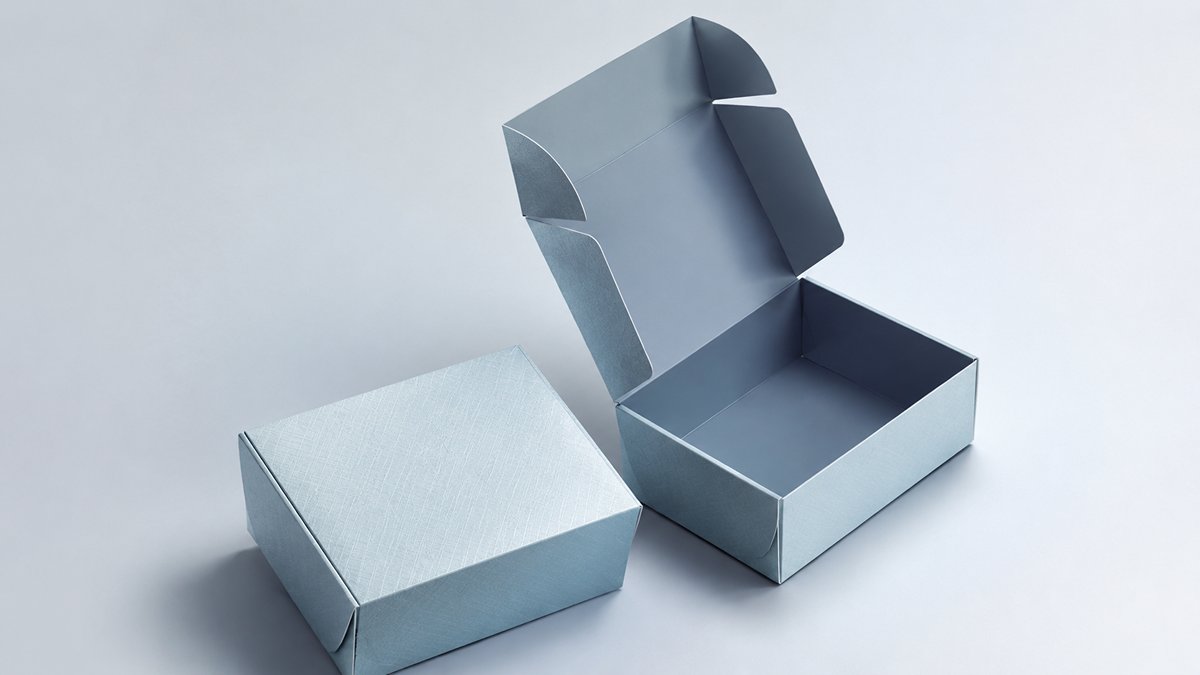
Folding cartons are typically more sustainable due to lower material use and efficient shipping. Rigid boxes can be justified when product protection or frequent reuse outweighs their initial footprint.
Material and Resource Efficiency
Folding cartons generally use less material because they are made from lightweight paperboard and designed to ship flat. Their simpler structure can reduce material consumption and transportation impact compared with rigid boxes.
Rigid boxes use thicker chipboard to provide greater strength and durability. While this increases material usage, the added structure can be valuable for products that require extra protection or a longer packaging life.
Recyclability and End-of-Life Considerations
Folding cartons typically have a simpler paper-based structure, making them easier to process in standard recycling systems. Rigid boxes may include additional components such as wrapping paper, laminates, magnets, or other accessories, which can make recycling more complex.
For brands focused on design-for-recycling principles, simpler carton structures are often easier to optimize. No entanto, material choices and finishing methods also play an important role in the overall environmental impact. Packaging materials sourced from responsibly managed forests can also be verified through certification systems such as FSC Chain of Custody certification.
Product Protection and Reuse
Rigid boxes can offer sustainability benefits when their stronger structure helps prevent product damage or allows the packaging to be reused. This is especially relevant for fragile, high-value, or gift products.
For lightweight products that do not require additional protection, folding cartons provide an efficient packaging solution with lower material use and easier storage and transportation.
How Do You Choose Between a Folding Carton and a Rigid Box?
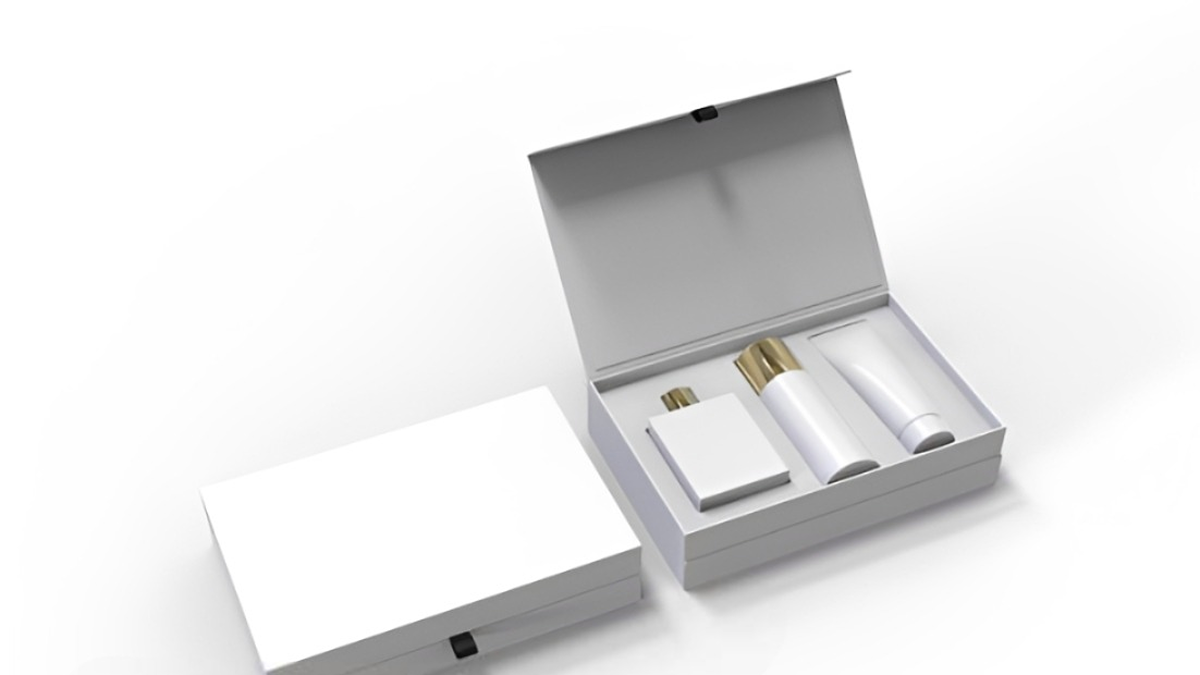
Your choice hinges on balancing cost and logistics with brand perception. A folding carton prioritizes efficiency, while a rigid box invests in a premium unboxing experience.
| Factor | Folding Carton | Rigid Box |
|---|---|---|
| Cost & Price Point | Cost-effective ($0.15–$2.00). Ideal for products retailing under $50. | Prêmio ($0.80–$12.00+). Justified for products retailing over $50–$100. |
| Logistics & Storage | Ships flat, minimizing freight and warehousing costs. Suits automated packing. | Ships assembled, increasing landed costs. Often requires manual handling. |
| Protection | Adequate for lightweight items (under ~350g) on retail shelves. | Superior strength, resisting crushing and denting for fragile or high-value items. |
| Brand Perception | Can look premium but is rarely kept after opening. Standard for retail. | Strongly associated with luxury and gifting. Often kept and reused. |
| Aplicativos comuns | High-volume goods: daily cosmetics, pharmaceuticals, food items. | Luxury products: joia, relógios, premium spirits, gift sets. |
Cost and Product Price Point
Cost is often the first factor brands consider. Folding cartons are more budget-friendly and suitable for high-volume products, while rigid boxes require a higher investment due to thicker materials, additional wrapping processes, and more labor-intensive production.
As a general guideline, folding cartons work well for mass-market products where packaging efficiency matters, while rigid boxes are better suited for premium products where packaging contributes to perceived value and customer experience.
Logistics, Storage, and Fulfillment
Folding cartons have a clear advantage in logistics because they are shipped and stored flat, reducing warehouse space and transportation costs. Their standardized production also makes them suitable for automated packing lines.
Rigid boxes are usually shipped assembled, which requires more storage space and increases shipping costs. No entanto, collapsible rigid boxes provide a practical alternative by combining premium presentation with improved shipping efficiency.
Protection and Durability
Rigid boxes provide stronger structural protection due to their thick chipboard construction, making them suitable for fragile, heavy, or high-value products.
Folding cartons offer sufficient protection for lightweight retail products and are widely used for everyday consumer goods. For e-commerce applications or fragile items, both packaging types may require additional inserts or protective outer packaging.
Brand Perception and Unboxing Experience
Rigid boxes create a premium unboxing experience through their weight, estrutura, and high-end finishes. They are often chosen for luxury products, gift sets, and items where packaging is part of the overall brand experience.
Folding cartons can also achieve a premium appearance through advanced printing techniques, coatings, and special finishes. They are ideal for brands that need strong shelf appeal while maintaining cost efficiency.
Common Product Applications
The right packaging choice depends on product positioning, sales channel, and budget.
Folding Cartons: Commonly used for cosmetics, pharmaceuticals, food products, and other high-volume retail items.
Caixas Rígidas: Often selected for jewelry, relógios, luxury cosmetics, eletrônica, premium gifts, and limited-edition products.
Many brands use both solutions across different product lines—folding cartons for efficient everyday packaging and rigid boxes for premium collections or special releases.
Perguntas frequentes
What is the difference between a folding carton and a rigid box?
A folding carton is a lightweight paperboard package that ships flat and is folded into shape, making it cost-effective for retail. A rigid box is a thick, non-collapsible box that ships pre-assembled and is used for premium presentation and higher perceived value.
Which box provides better protection for fragile products?
Rigid boxes provide stronger protection for fragile products. Their thick, non-collapsible chipboard construction offers superior resistance to crushing and impact compared to the thinner, more flexible paperboard of folding cartons.
Can folding cartons be used for luxury packaging?
Sim, folding cartons are often used for luxury products, especially in cosmetics and premium food. They achieve a high-end feel by using thick, high-quality paperboard and advanced finishes like foil stamping, gravação em relevo, and soft-touch coatings.
Should I choose a folding carton or rigid box for e-commerce?
For efficiency and cost-effectiveness in e-commerce, choose a folding carton, typically placed inside a corrugated shipping box. For premium or giftable products where the unboxing experience is a key marketing element, a rigid box is the better choice.
Are rigid boxes more sustainable than folding cartons?
Folding cartons are generally more sustainable. They use less material, are lighter, and ship flat, reducing their carbon footprint in transport. They are also typically made of a single material, making them easier to recycle in standard municipal streams than multi-component rigid boxes.
Final Thoughts
Both folding cartons and rigid boxes have their own advantages. Folding cartons are ideal for brands that need cost efficiency, easy shipping, and large-scale production, while rigid boxes work better for premium products that require stronger protection and a high-end presentation.
The best choice depends on your product value, sales channel, and packaging goals. Request samples from PK Packaging to compare different structures, materials, and finishes before starting your next packaging project.