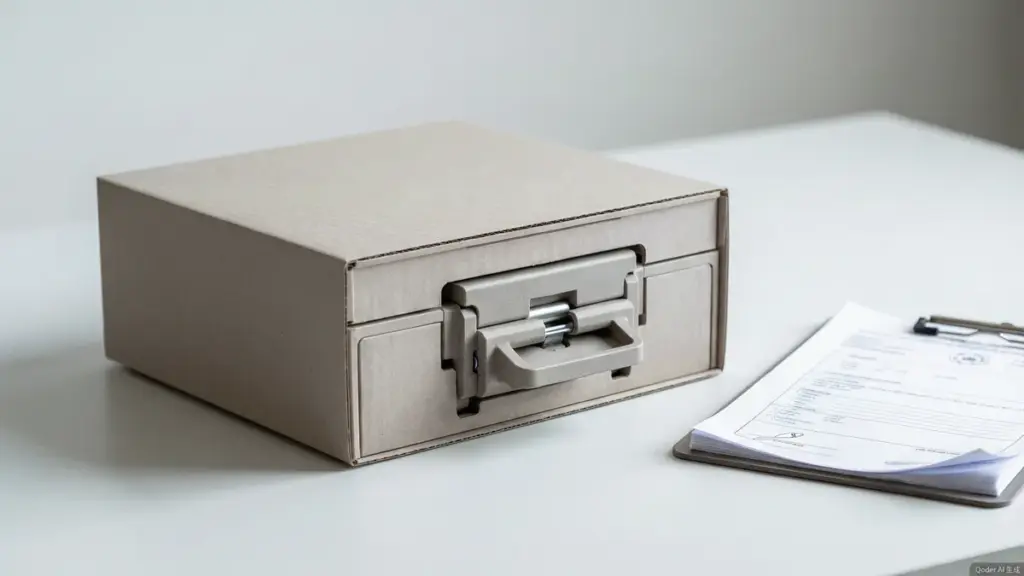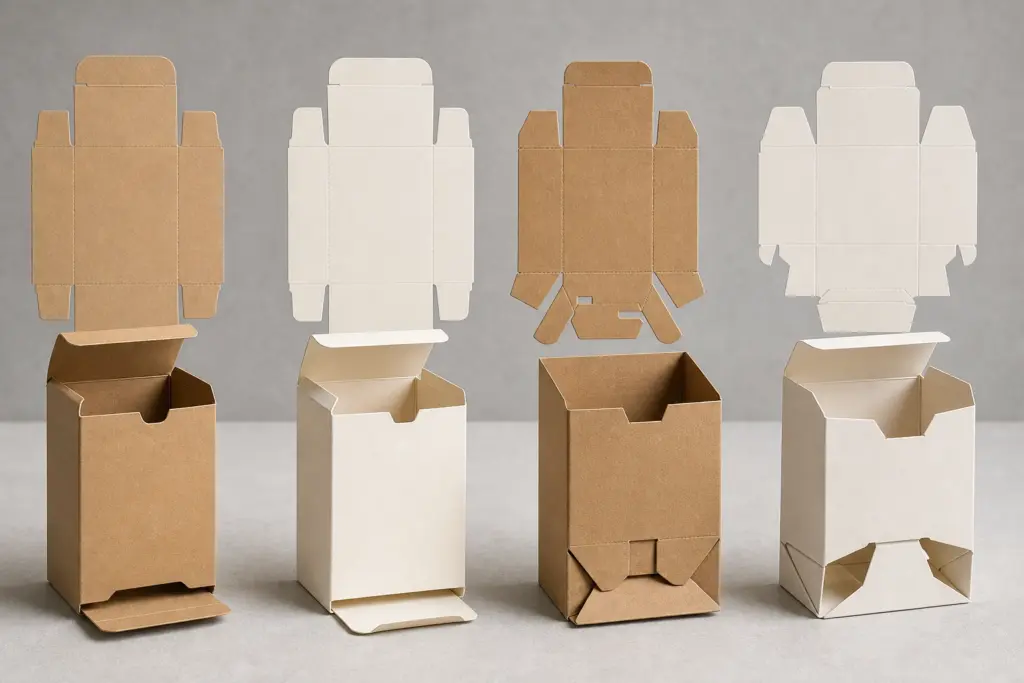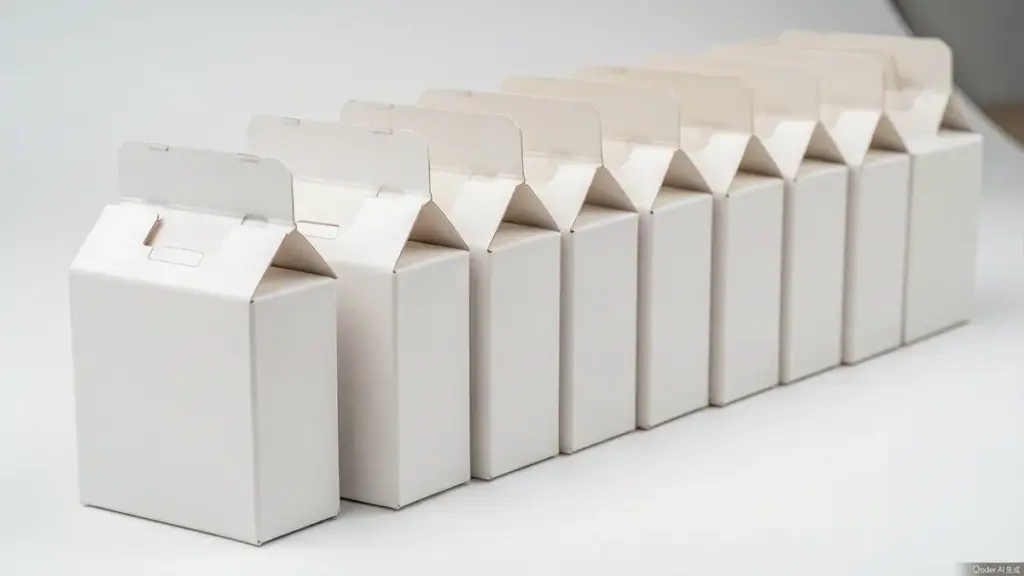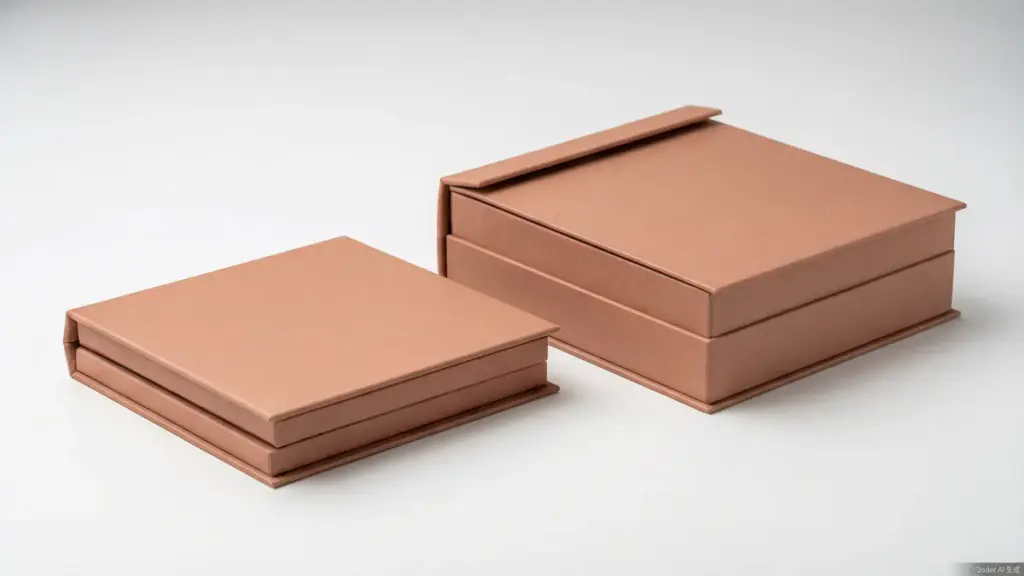
Choosing the correct corrugated box dimensions sounds straightforward until a product will not fit, an insert shifts or a pallet pattern suddenly changes. 하지만, a quotation may refer to internal size, external size or a flat dieline, and those numbers are not interchangeable. Accurate corrugated box dimensions protect the product, control material use and prevent expensive corrections after printing has begun.
What Do Corrugated Box Dimensions Mean?
Corrugated box dimensions normally describe length, 너비와 높이, written as L × W × H. In most custom packaging projects, the quoted size should be the usable internal size unless the drawing or purchase order clearly says otherwise.
아직, never rely on the number sequence alone. Length usually means the longer side of the box opening, width means the shorter side and height means the distance from the opening to the opposite panel. For mailers, trays and unusual structures, a labelled drawing is safer because people may view the opening from different directions.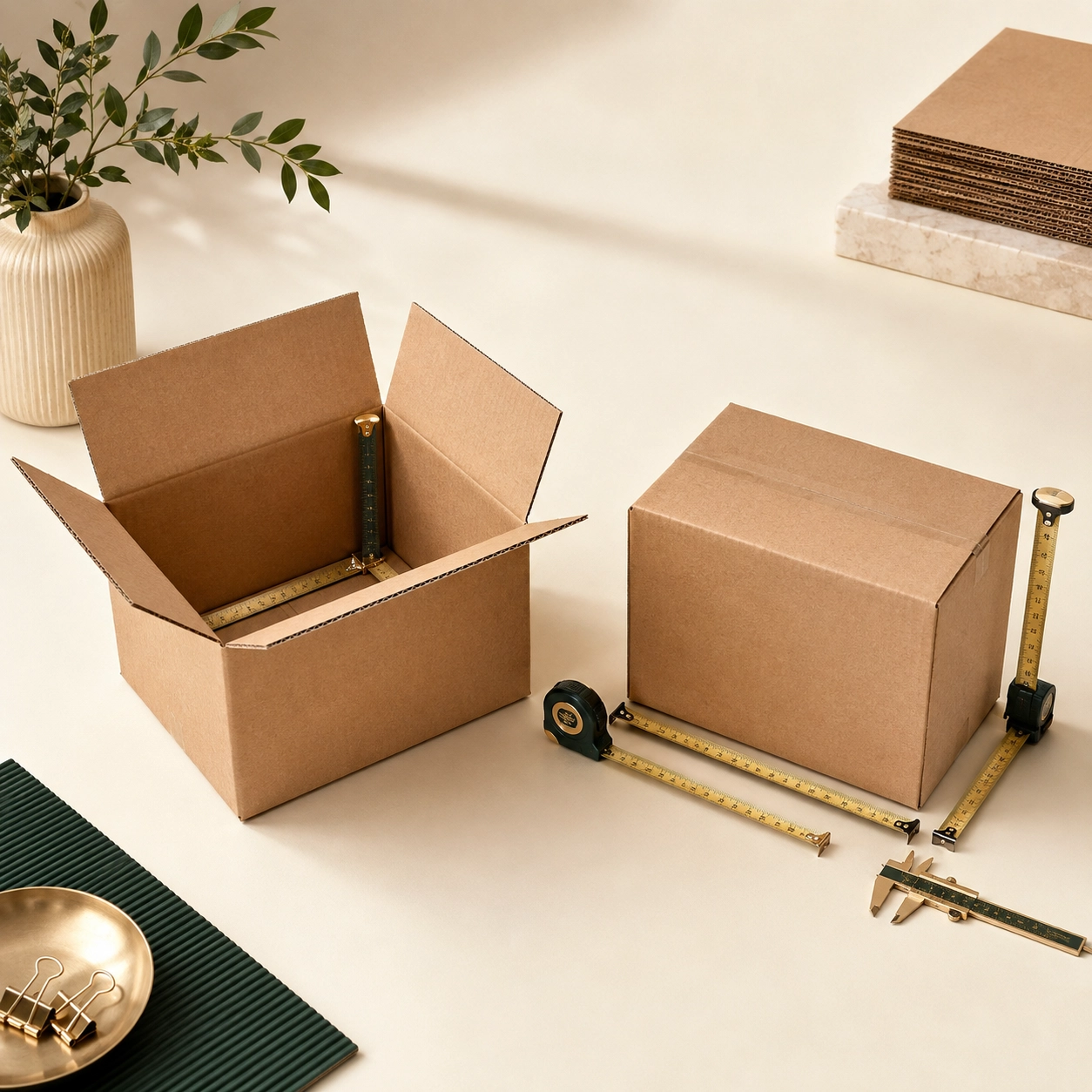
The Four Measurements Buyers Should Separate
MeasurementWhat It DescribesWhy It MattersInternal sizeUsable space inside the erected boxProduct fit, inserts and packing clearanceExternal sizeOverall outside footprint after erectionPallets, 화물, shelves and master cartonsBlank or dieline sizeFlat sheet before folding and gluingBoard use, tooling and production planningTolerancePermitted variation from the targetInspection, acceptance and repeat orders
These four values are connected, but they serve different people. The product engineer starts with internal fit, the logistics team needs external size, and the factory converts both into a manufacturable blank.
Internal Dimensions: 제품으로 시작하기
When corrugated box dimensions are quoted as internal, they represent the usable cavity after the case has been erected correctly. 그러므로, internal measurements should be taken between the inside faces of opposing panels rather than along flap tips or outside edges.
This is the number that decides whether a perfume bottle, skincare set, tea pouch, candle jar or book actually fits. Yet product size alone is not enough. You must also allow for inserts, tissue, protective pads, sealing components and practical packing clearance.
Product Size Is Not the Same as Box Size
Imagine a glass bottle measuring 50 × 50 × 130 mm. A cavity made at exactly those measurements may look perfect in a drawing, but the product could jam during packing. 게다가, the cap, label seam or bottle shoulder may be slightly wider than the nominal body.
그런 이유로, measure the product at its widest, longest and highest points. Then test the smallest and largest production samples rather than one ideal piece. 마지막으로, add only the clearance required for packing and protection; unnecessary space increases movement, filler use and shipping volume.
Inserts Change the Usable Space
A fitted insert has its own wall thickness, folding radii and manufacturing tolerance. 따라서, the outer box cavity must accommodate the insert, while the insert cavity must accommodate the product.
판지, 골판지, 성형펄프, EVA and foam all behave differently. 예를 들어, a folded paper insert needs space for tabs and double layers, whereas foam may compress around the product. A physical sample remains the safest way to confirm both fits.
External Dimensions: Plan Logistics Before Production
External corrugated box dimensions describe the overall outside length, width and height of the erected and closed package. These measurements determine shelf footprint, master-carton fit, 팔레트 패턴, storage density, courier dimensional weight and container utilization.
Board thickness means the outside size will be larger than the inside cavity. 하지만, simply adding twice the nominal flute thickness is only a planning estimate. Score allowances, compressed folds, overlapping panels, 폐쇄, laminated facing and board moisture all influence the finished result.
Why the Pallet Pattern Matters
A few millimetres may seem trivial on one carton. Across a pallet, 그렇지만, that difference can cause overhang or eliminate an entire box from each layer. Research published by the Fibre Box Association shows that effective box compression strength decreases as pallet overhang increases.
그러므로, share the pallet size, maximum pallet height and desired cases per layer before approving the dieline. If the package also enters a master carton, provide that carton’s confirmed internal size rather than a catalogue description.
Do Not Calculate Freight From Internal Size
Couriers and freight forwarders work with the packed external footprint. 게다가, lids, 핸들, bulging contents and poor closing can increase the measured size. Always measure a fully packed and closed sample before locking logistics calculations.
How to Read Length × Width × Height
Clear corrugated box dimensions should use one unit system, one orientation and a labelled sketch. We recommend millimetres for custom manufacturing because they reduce rounding errors between design, production and inspection.
For a standard shipping case:
- 길이: The longer side of the opening
- Width: The shorter side of the opening
- Height or depth: The distance from the opening to the opposite panel
For a die-cut mailer, place the opening toward the viewer on the drawing and label every axis. 비슷하게, indicate whether the size is measured before or after inserting a liner, tray or fitted partition.
A Better Purchase-Order Format
Instead of writing only “300 × 200 × 120 mm,” use:
Finished internal size: 300 L × 200 W × 120 H mm, measured after erection and before loading.
Then add the structure code, 보드 등급, 플루트, target tolerance and approved sample reference. This extra line takes seconds to write, yet it can prevent days of discussion later.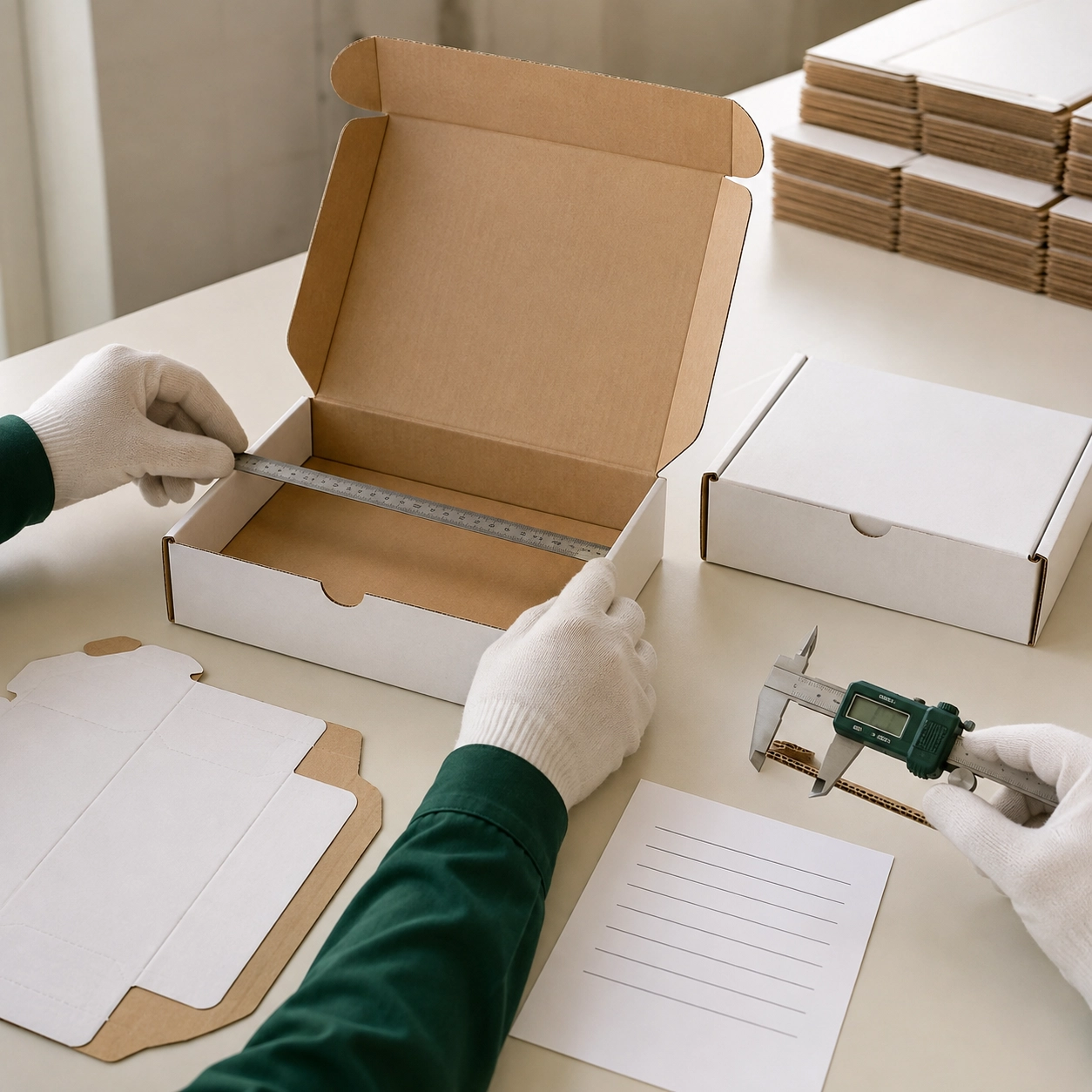
Tolerance: Why Finished Boxes Vary
Tolerance in corrugated box dimensions is the accepted difference between the specified target and the measured finished box. Corrugated board is paper-based, compressible and responsive to humidity, so zero variation is not realistic.
게다가, converting adds several sources of movement:
- Paper and board moisture changes
- Flute compression during printing and die cutting
- Score width and crease recovery
- Folder-gluer alignment
- Manufacturer’s-joint position
- 라미네이팅, coating and drying
- Hand erection and measuring pressure
- Different measurement temperatures and humidity levels
This does not mean buyers should accept vague specifications. 대신에, the drawing should define the target, tolerance, measurement method, conditioning requirement and sample quantity.
Is There One Universal Box Tolerance?
아니요. A small F-flute cosmetic mailer, a C-flute shipping carton and a large BC double-wall case cannot reasonably share one universal limit. FEFCO even publishes a dedicated Recommendation 101 for determining internal dimensions, which shows why a consistent procedure matters.
As an illustration, a project specification might state:Inspection ItemTargetExample Acceptance RangeInternal length300 mm298–302 mmInternal width200 mm198–202 mmInternal height120 mm118–122 mmInsert cavity width51 mm50–52 mm
This table is an example, not an industry-wide promise. The achievable range must be confirmed against the box size, 플루트, board combination, machine, structure and approved physical sample.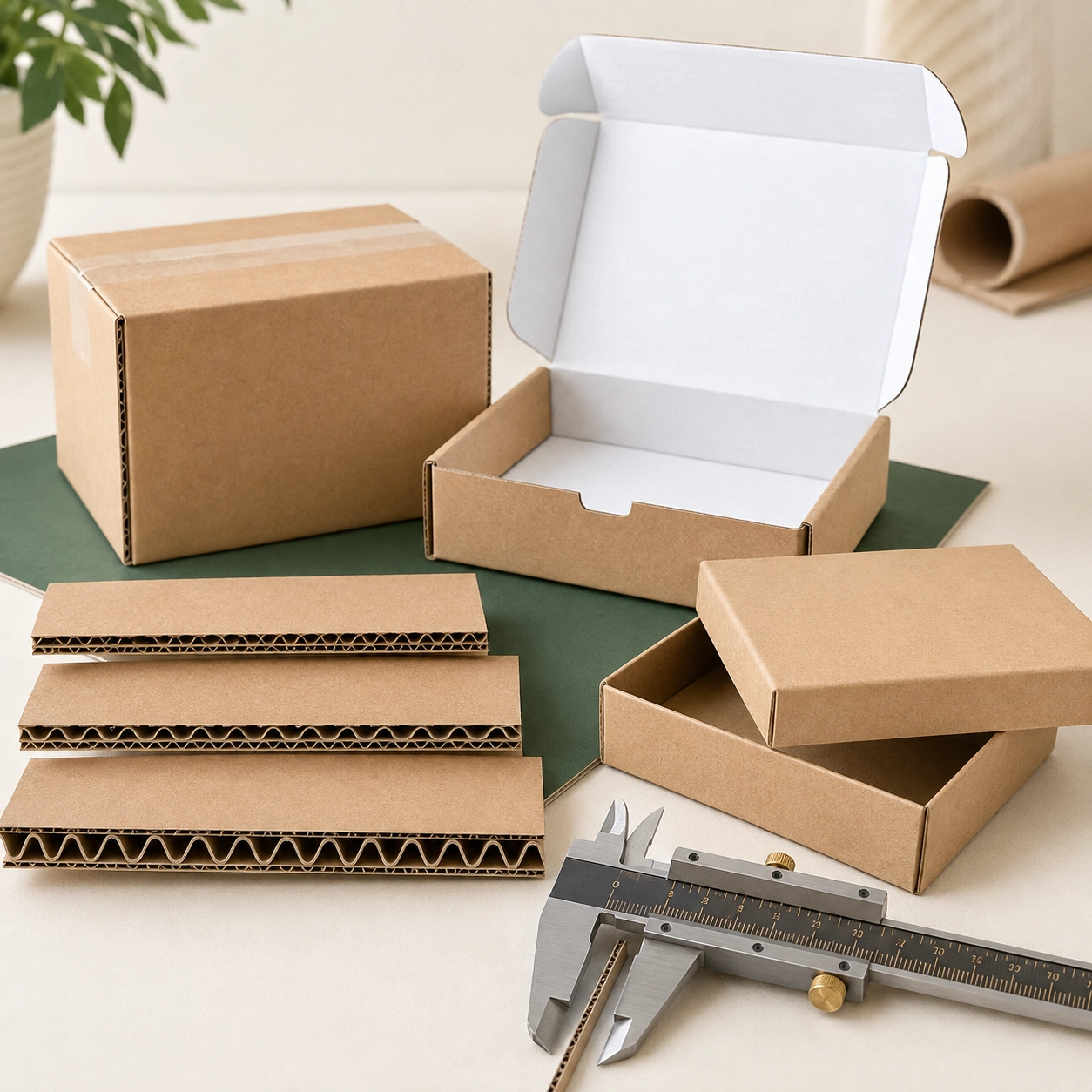
How to Measure a Finished Corrugated Box
To verify corrugated box dimensions, first erect the case completely and square all corners. 다음, close or position the panels as required by the agreed method. Then measure between defined surfaces without crushing the board.
Use an internal measuring rule, suitable calliper or calibrated gauge for critical dimensions. 게다가, record where the measurement was taken because a tapered tray, curved score or double-thickness wall may produce different readings at different points.
Practical Inspection Sequence
- Confirm the box style, drawing revision and board grade.
- Condition samples under the agreed environment when accuracy is critical.
- Erect the boxes using the normal packing method.
- Measure internal length, width and height at defined points.
- Measure the closed external footprint.
- Test the actual product and insert inside the box.
- Record results by sample number and production batch.
솔직히, the seventh step is often missed. Without batch records, a later complaint becomes a debate rather than a traceable quality investigation.
Clearance: How Much Space Should You Add?
Good corrugated box dimensions provide enough clearance for smooth packing without allowing damaging movement. 하지만, there is no universal “add 5 mm” rule because products and insert systems behave differently.
Consider these factors:
- Maximum product dimensions, not catalogue averages
- Product variation between production batches
- Fragile corners, 모자, pumps and decorative surfaces
- Insert thickness and folding construction
- Tissue, 소매, pouches and protective bags
- Manual or automated packing equipment
- Temperature-related expansion or compression
- Whether the item must be removed easily by the customer
For fragile glass, the insert should control movement at strong contact points without loading weak shoulders, pumps or caps. For apparel, 그 동안에, the required space depends on folding method, fabric thickness and tissue arrangement. Again, test with the real product.
일반적인 응용
Correct corrugated box dimensions matter across e-commerce, 의복, books, 전자 제품, 향수, 스킨케어, 화장품, 차, 커피, 간식, 양초와 선물 세트. 그럼에도 불구하고, each category creates a different dimensional risk.
- Perfume and cosmetics: Bottle variation, pumps and fitted inserts
- Skincare sets: Multiple jar and tube heights within one layout
- 차와 커피: Sealed pouch expansion and aroma-barrier packs
- 스낵: Flexible bags that change shape after filling
- 양초: Heavy glass vessels requiring bottom support
- 의복: Folding compression, tissue and presentation clearance
- 서적: Tight fit without corner abrasion
- 전자상거래: Courier limits, void space and return usability
그러므로, the product category should appear in the specification. A bare dimension sheet does not explain weight distribution, fragility or how the customer opens the package.
Material Options and Dimensional Effects
Material choices influence corrugated box dimensions because every flute and facing layer adds thickness and changes folding behaviour. Natural kraft liner offers a practical shipping appearance, while white-top liner improves graphic contrast. Virgin kraftliner, recycled testliner and different medium grades also provide different strength and moisture performance.
E and F flute create compact premium packs with cleaner folds. B and C flute provide more cushioning and are common for shipping cases. 그 동안에, double-wall combinations add stacking strength but also increase outside size and consume more storage space.
Litho-laminated boxes may combine C2S art paper, white card stock or specialty paper with a corrugated core. 하지만, lamination and surface films affect score behaviour. 따라서, the final sample should use the intended production material rather than a visually similar substitute.
식품 포장용, state whether the box holds sealed food as secondary packaging or touches food directly. Direct-contact projects require suitable paper, 잉크, 접착제, 코팅, liners and supporting food contact safety documentation.
Structure Options and Size Allowances
The same corrugated box dimensions can produce very different usability across structures. A standard RSC shipping case, 다이컷 메일러, tray-and-lid box, telescopic carton, 소매, display tray or auto-lock bottom all use board thickness differently.
예를 들어, full-overlap flaps add layers at the closure, while an integrated divider reduces clear internal space. 비슷하게, a tuck-front mailer needs allowance for side walls, locking ears and lid engagement. Windows and handles also change the way loads move through the panels.
Before selecting a style, 우리의 글을 읽어보세요 RSC box vs die-cut corrugated boxes guide. It compares tooling, unit cost, packing speed and order volume, helping buyers choose a structure after the required internal and external sizes are understood.
관련 제품
맞춤형 종이 튜브 · 식품 포장 · 화장품 포장 · 골판지 배송 상자
인쇄 & 마무리 옵션
Printing can affect corrugated box dimensions indirectly through pressure, 적층, coating and drying. Flexographic printing is efficient for shipping marks and brand graphics, while digital printing supports short runs and variable designs. Litho lamination offers detailed CMYK or Pantone artwork for premium mailers.
핫 스탬핑, 엠보싱, debossing and spot UV are also possible on selected faced structures. 하지만, premium finishes must stay clear of critical scores and locking tabs. 그렇지 않으면, foil may crack, embossing may weaken a fold or thick coating may change tab engagement.
매트, gloss and soft-touch laminations improve appearance and scuff resistance. 비록 그렇다 하더라도, they should be approved on a finished structural sample because a flat printed sheet cannot demonstrate final folding behaviour.
규정 준수 & 지속 가능성
Documenting corrugated box dimensions supports material reporting, traceability and transport planning. For certified projects, buyers may also request FSC chain-of-custody information, BRCGS 포장 재료, IFS PAC보안, food contact declarations and migration reports. IFS Food generally applies to food-processing operations, whereas IFS PACsecure is the more relevant packaging standard.
For EU markets, EPR reporting may require packaging component weights. 게다가, the PPWR은 다음에서 적용됩니다. 12 팔월 2026, although specific obligations follow different transition dates. EUDR scope depends on the commodity and product code; EU guidance currently places the main application date at 30 12월 2026 for large and medium operators and 30 6월 2027 for most micro and small operators.
Right-sizing supports sustainability because it can reduce board, void fill and freight volume. 그럼에도 불구하고, reducing size too aggressively may increase damage and product waste. The most sustainable pack is therefore the smallest validated structure that protects the product through its real supply chain.
How to Customize Your Box
To develop corrugated box dimensions correctly, send the maximum product size, 포장된 무게, required quantity and target market. 다음, provide the packing orientation, number of products per box, 기본 설정 삽입, pallet size and delivery method.
For branded packaging, also send:
- Logo and editable artwork files
- CMYK or Pantone colour references
- Required material and flute preference
- Surface-finishing requirements
- Barcode size and placement
- Desired sample date and launch schedule
- MOQ target and estimated annual volume
Our normal workflow begins with a dieline and unprinted structural sample. After fit approval, we can produce a printed sample for colour and finish review. 샘플은 일반적으로 영업일 기준 3~5일이 소요됩니다., while bulk production commonly takes 15–20 working days after approval, subject to material, 구조, volume and production schedule.
팩 포장을 선택하는 이유?
We review corrugated box dimensions as part of the complete packing system rather than treating them as three isolated numbers. 그러므로, our team checks product fit, insert clearance, 보드 두께, 폐쇄, pallet use and shipping conditions before recommending a structure.
Pack Packaging supports global buyers with:
- 20,000㎡ 규모의 제조시설
- A separated 2,000㎡ food-grade workshop
- Monthly paper tube capacity above 10,000,000 단위
- 에이 20+ person design and structural engineering team
- OEM/ODM development and custom dielines
- Structural samples and finished prototypes
- In-process inspection and batch quality records
가장 중요한 것은, we confirm which measurements are internal, external or production dimensions before quoting. It sounds basic, 솔직히, but this single step prevents many of the fit disputes seen in custom packaging.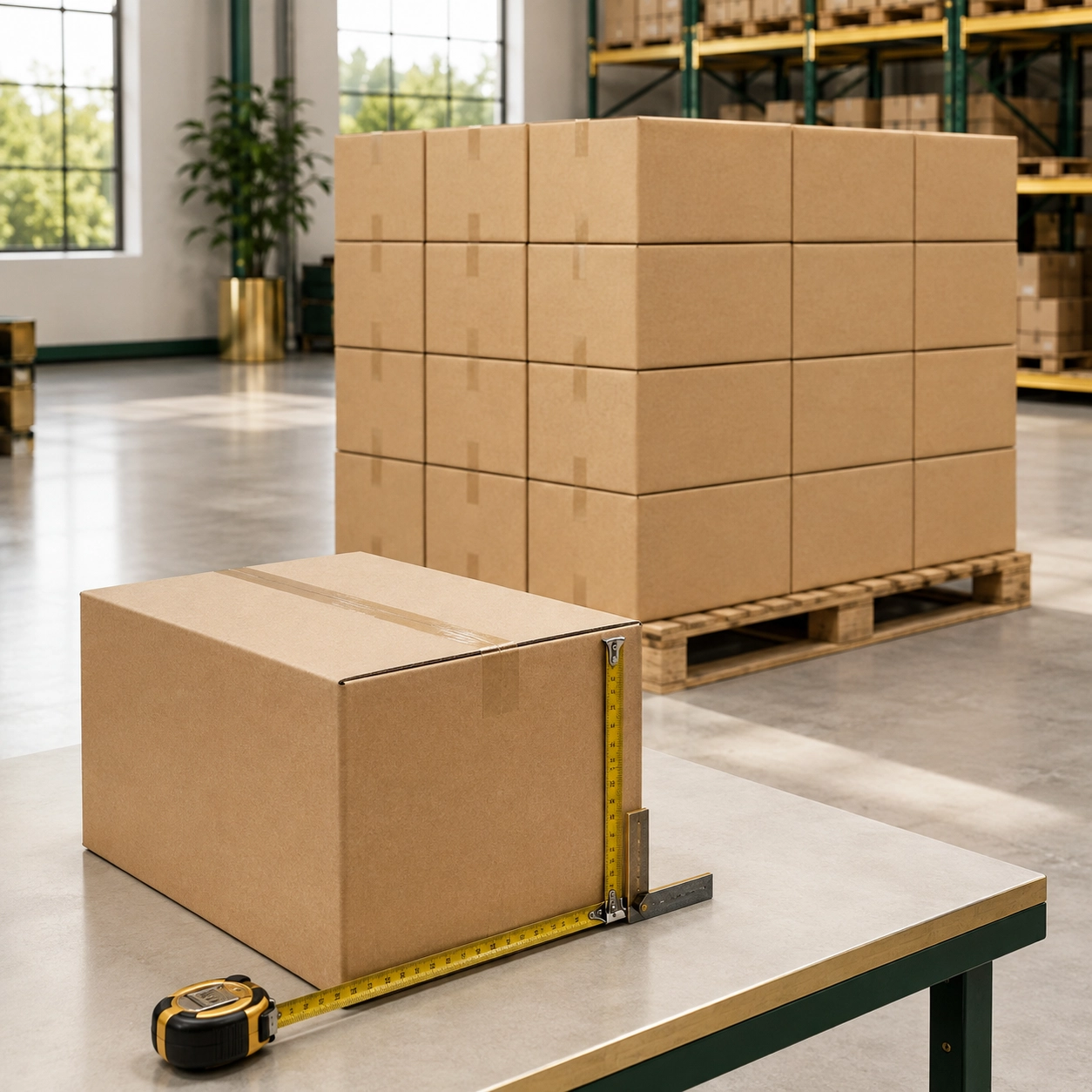
FAQ
1. Are corrugated box dimensions normally internal or external?
Most custom manufacturers quote the finished internal size unless they clearly state otherwise. 하지만, always write “internal” or “external” on the drawing and purchase order instead of relying on convention.
2. What order should length, width and height follow?
Use L × W × H. Length is normally the longer side of the opening, width is the shorter side and height is measured from the opening to the opposite panel. For unusual structures, include a labelled drawing.
3. How do I convert internal size to external size?
Adding board thickness can provide a rough planning estimate, but it is not a production formula. Score allowances, folds, overlaps, closures and board compression affect the result. 그러므로, ask the manufacturer for the finished external size after the structure and material are confirmed.
4. What tolerance should I specify?
Tolerance depends on size, 플루트, 판자, 구조, machine and measurement conditions. Start with the product’s functional requirement, then agree an achievable range with the factory and validate it through a physical sample.
5. Should I add extra space around the product?
예, but only enough for product variation, inserts and efficient packing. Excessive clearance increases movement and freight volume, while insufficient clearance causes jamming, abrasion or crushed inserts.
6. Can one box size fit several SKUs?
예. A shared outer size with SKU-specific inserts can reduce tooling and inventory. 그럼에도 불구하고, test the smallest and largest products, then control insert identification during fulfilment.
7. Do printing and lamination change the final size?
They can influence folding, score recovery and tab engagement. 따라서, a critical-fit project should be approved using the actual production board, facing paper, printing and lamination.
8. 견적을 위해 어떤 정보가 필요합니까??
Send the product’s maximum size, 포장된 무게, 수량, 박스 스타일, 삽입 요구 사항, 작품 및 배송 국가. 마지막으로, provide any pallet, courier or shelf-size restrictions that the finished package must meet.
Final Recommendation
Accurate corrugated box dimensions begin with the real product and end with a fully packed sample. Internal size controls fit, external size controls logistics and tolerance decides whether repeat production remains acceptable.
제품 사이즈를 알려주세요, 수량, 로고 파일 및 목표 시장. 우리 팀이 올바른 구조를 추천해 드립니다., 소재와 마감, then confirm the internal size, expected external footprint and project-specific tolerance before production.
Send Us Your Size → Get a Custom Quote
부인 성명: Dimensional examples and acceptance ranges in this article are illustrative rather than universal standards. Actual tolerances, MOQ and lead times depend on the approved structure, 재료, machine capability, order volume and measurement method. Regulatory information is general guidance and does not constitute legal advice.