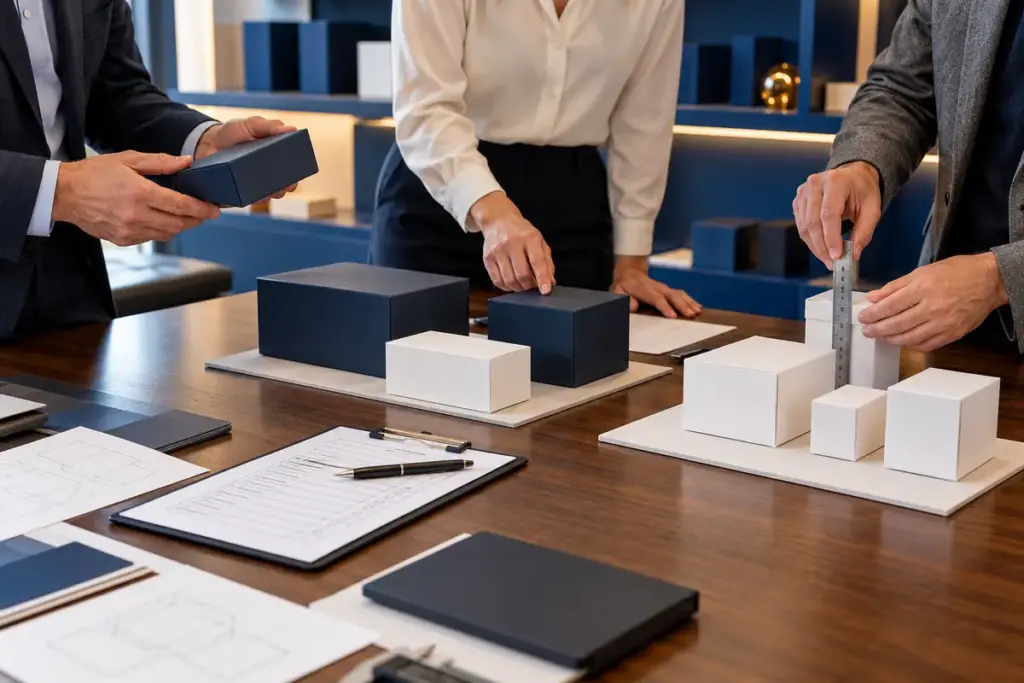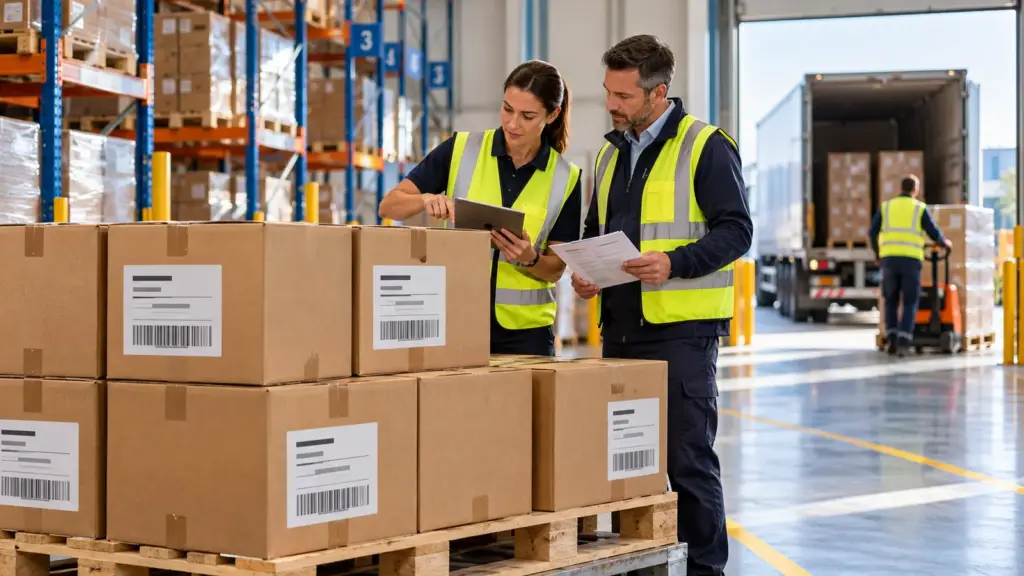
Choosing kraft liner board over recycled testliner looks like a simple cost decision on the quotation, yet it rarely is. Fibre type changes how your boxes behave in humidity, how they hold a stack over weeks, and — for food brands especially — what compliance evidence you can actually produce.
So let’s compare the two honestly: where virgin fibre earns its premium, where recycled performs identically, and where the compliance question genuinely settles the argument.
What Is Kraft Liner Board?
The Kraft Process
Kraft liner board starts with the kraft pulping process, which cooks wood chips with chemicals that dissolve lignin while leaving cellulose fibres long and intact. Consequently kraft liner board carries the tensile and burst strength that shorter recycled fibres struggle to match.
Virgin Versus Recycled Fibre
Virgin kraft liner board uses fibre that has never been through a paper machine before. Recycled fibre has — sometimes several times — and each pass shortens it a little further. That fibre length difference drives nearly every performance gap between the two.
Testliner Explained
Testliner uses recycled fibre and dominates European corrugated production. It arrives in quality tiers, commonly described as T1 through T4, reflecting fibre quality and strength. Frankly, good testliner outperforms poor kraft liner board, so tier matters as much as category.
Why Buyers Get Stuck Here
Sustainability teams push recycled content while engineering teams push performance. Meanwhile procurement sits between them holding a budget. Neither side is wrong, which is exactly what makes the decision uncomfortable.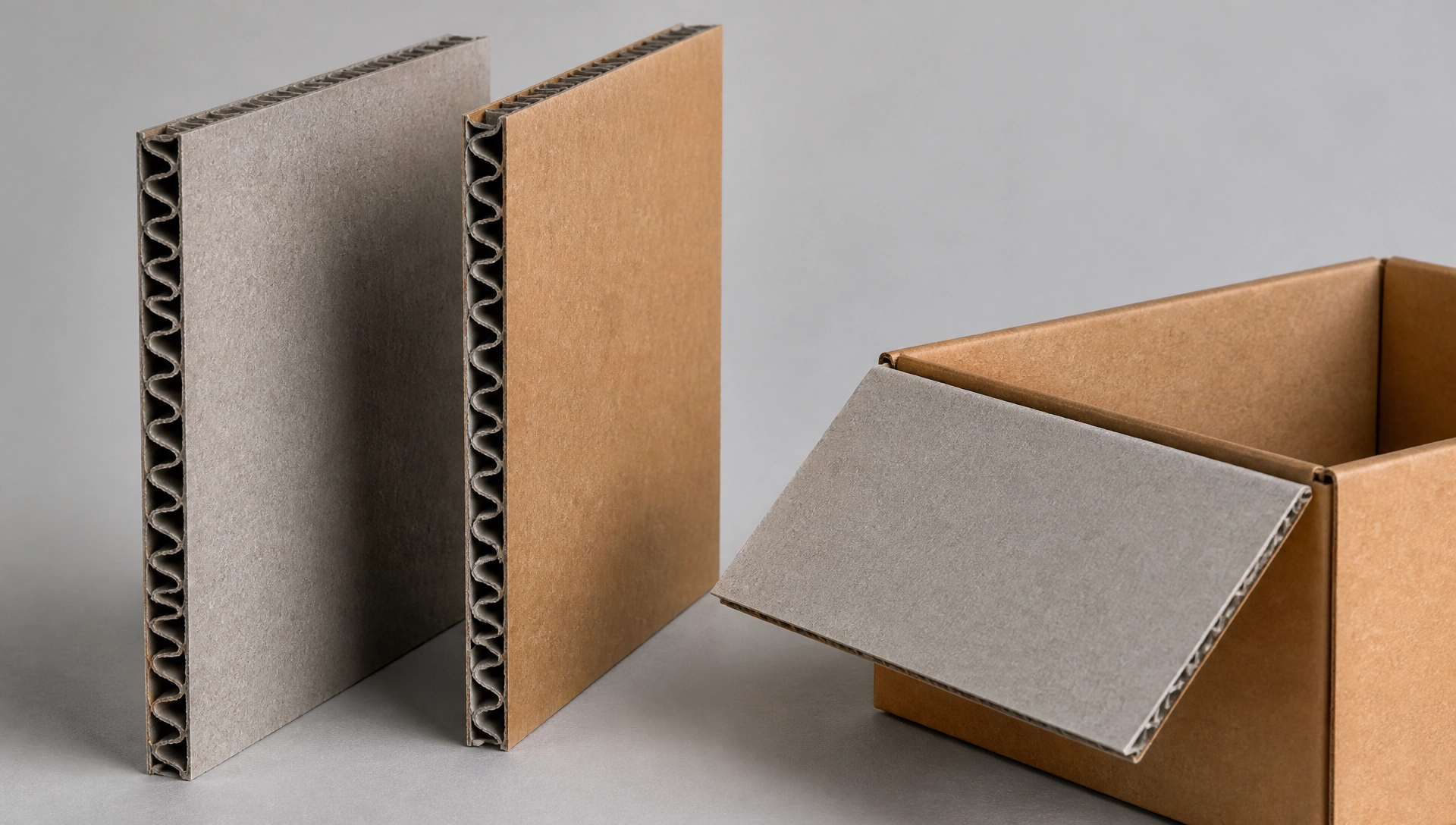
Common Applications for Kraft Liner Board and Testliner
Different journeys genuinely need different fibre:
- Recycled testliner — Domestic e-commerce, apparel, single-trip distribution, and anything shipping in controlled conditions.
- Kraft liner board — Export cases, humid destinations, long storage, and heavy stacked loads.
- White top kraft — Retail-ready outers and print-led packaging where surface brightness carries the brand.
- Mixed construction — Virgin outer with recycled inner, a sensible economy when only the outer face faces stress.
- Food-contact applications — Cases where direct contact demands documented migration control.
Notably, most buyers running all-virgin specifications could switch several SKUs to recycled without any performance change. That audit usually pays for itself.
Material Options: Kraft Liner Board and Alternatives
Strength Characteristics
Virgin kraft liner board delivers higher tensile and burst performance at equivalent grammage. Additionally it recovers better after compression, which matters for boxes stacked over weeks rather than days.
Humidity Behaviour
Here’s where the gap widens most. Both fibre types lose strength as moisture rises, but recycled loses it faster. Therefore destination climate often decides this question before cost does.
Grammage Ranges
Kraftliner commonly runs roughly between 125 and 225 g/m² for corrugated work. Our corrugated board grades guide explains how liner and medium combinations get specified together.
Board Moisture
Board moisture sits between roughly 6.5% and 9.5%. Below that range board cracks at creases; above it, compression strength drops away regardless of fibre type.
The Cost Reality
Virgin costs more per tonne. However, if virgin lets you drop from double wall to single wall, the total often lands lower. Our double wall corrugated comparison covers when that trade works.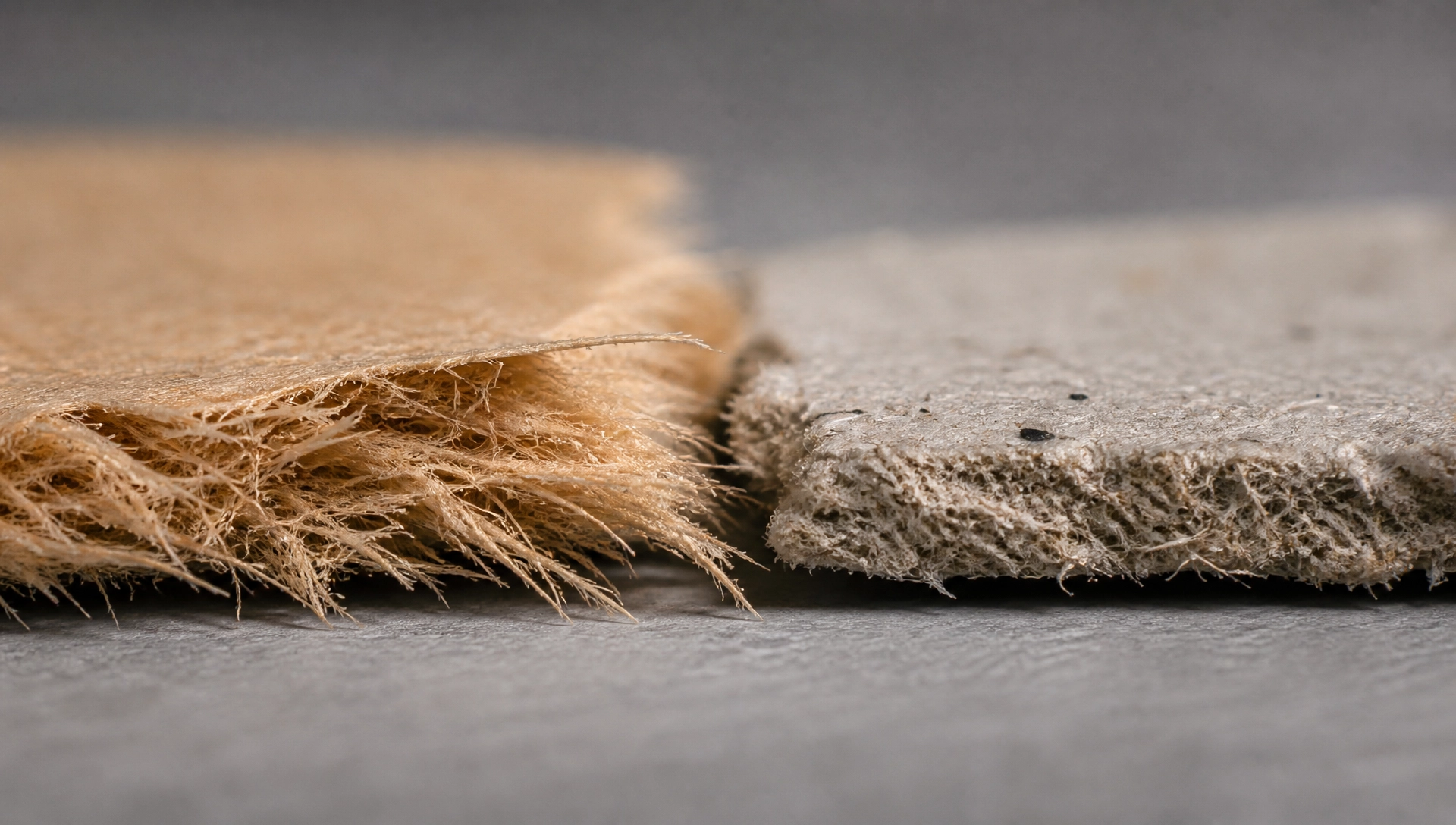
Structure Options Using Kraft Liner Board
Asymmetrical Construction
Put virgin kraft liner board on the outside where handling stress and print quality matter, then recycled inside where neither does. This single decision saves real money without measurable performance loss.
Flute Pairing
Fibre choice interacts with flute profile. A fine flute with strong liner behaves quite differently from a tall flute with weak liner, even at identical board weight. See our corrugated flute types guide for profile detail.
Internal Fitments
Partitions and pads transfer load away from box walls. Consequently they sometimes let you specify recycled liner where virgin seemed necessary.
Related Products: Corrugated Shipping Boxes / Folding Cartons / Inserts & Partitions
Style Interactions
Full overlap flaps and reinforced corners deliver strength through geometry rather than fibre. Similarly, a well-drawn dieline outperforms an expensive liner on a poorly designed box.
Printing and Finishing on Kraft Liner Board
Surface Character
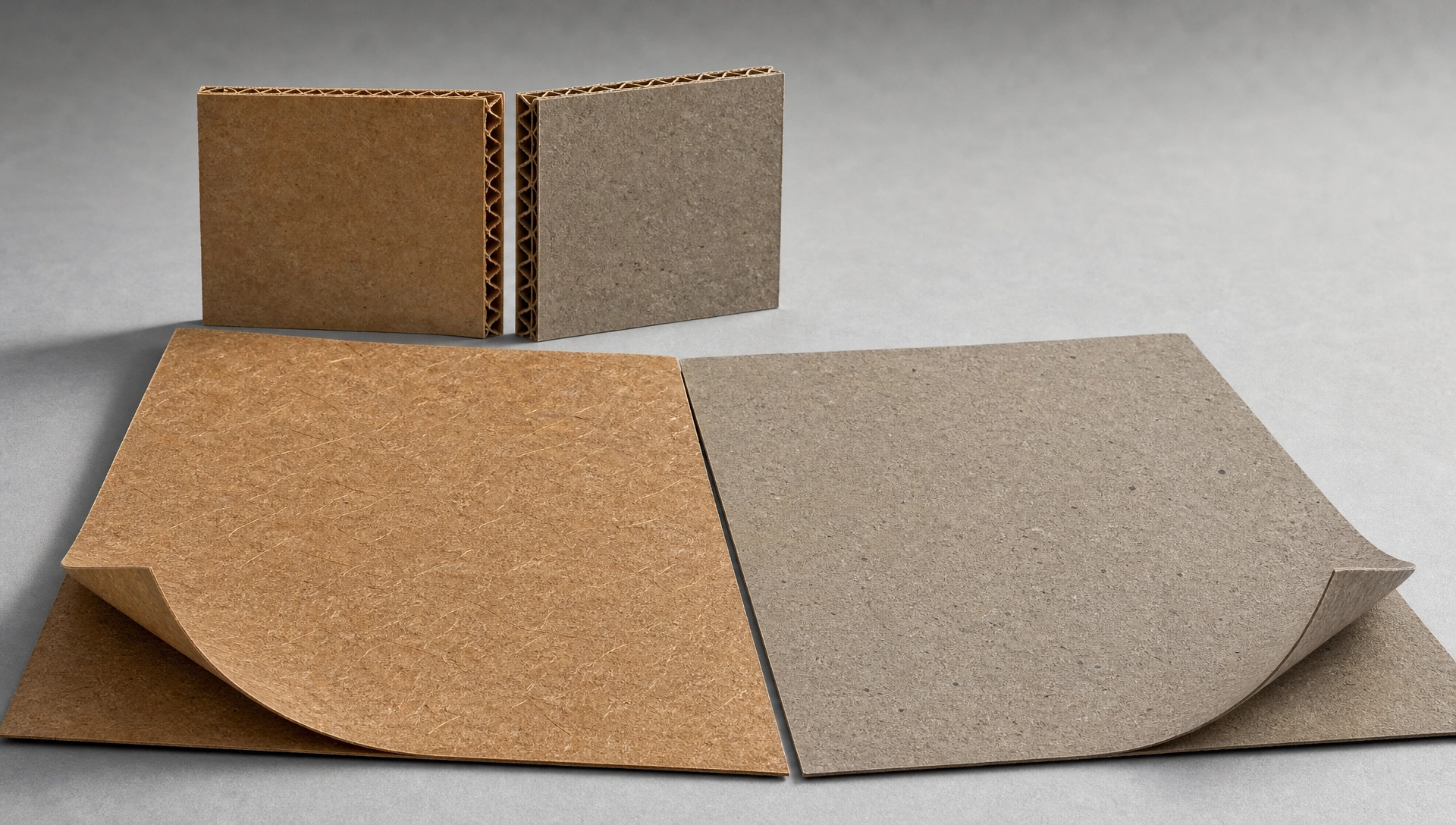
Virgin kraft gives a warmer, more uniform brown surface with a smoother finish. Recycled testliner runs greyer with visible fibre specks — which some brands actually prefer for its honest recycled look.
Print Consistency
Colour reproduces more predictably on kraft liner board because the base tone varies less between batches. Recycled base colour shifts with the incoming waste stream, so Pantone matching needs wider tolerances.
Print Methods
Flexographic printing suits both fibre types and stays economical at volume. Litho lamination delivers photographic quality on either base. Digital removes plate costs entirely for short runs.
Finishing Options
Matte and gloss lamination, spot UV, foil stamping, embossing, and debossing all apply to both. Nevertheless heavy coatings complicate recycling, so limiting yourself to one accent usually serves better.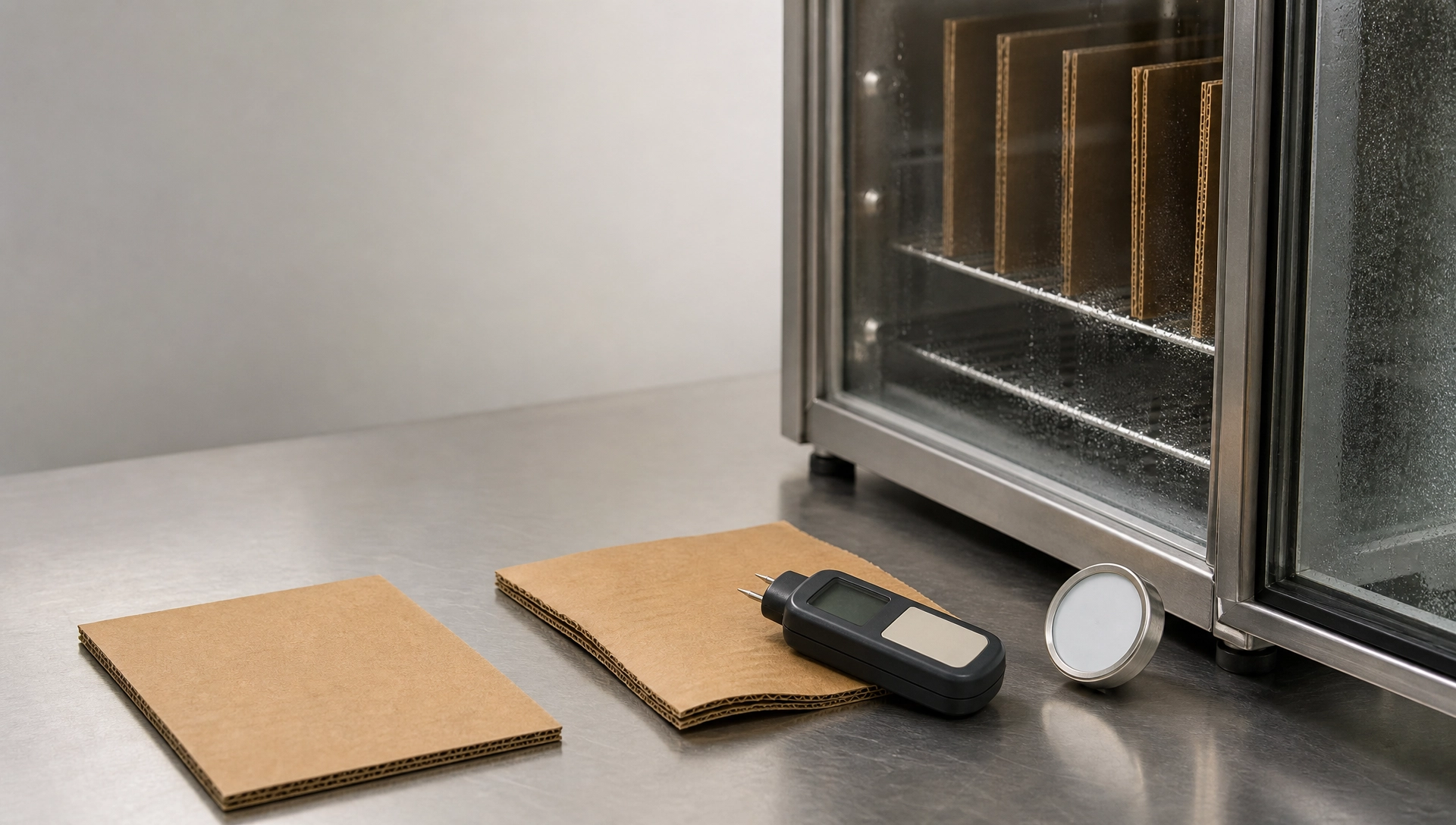
Compliance and Sustainability of Kraft Liner Board
Food Contact and Recycled Fibre
This is where the choice gets serious. Recycled fibre may carry residues from its previous life — printing inks and adhesives among them — so direct food contact applications need migration assessment. Consequently many food brands specify virgin kraft liner board or a functional barrier for direct contact.
The Regulatory Frame
EU Regulation (EC) No 1935/2004 governs food contact materials, with GMP requirements under Regulation (EC) No 2023/2006. FEFCO publishes GMP standards for corrugated food packaging specifically, and those documents address recycled fibre directly.
Certified Fibre
FSC chain of custody covers virgin, recycled, and mixed sources. Our FSC Certified Paper Packaging guide explains how custody documentation flows through each.
EUDR Applies to Virgin Fibre
Deforestation obligations fall on 30 December 2026 for large and medium operators, then 30 June 2027 for micro and small operators. Notably, recycled content sits outside those sourcing requirements, which is becoming a real procurement consideration.
EPR and PPWR
EPR schemes require component weights by material — see our EPR Packaging Compliance guide. Meanwhile PPWR applies from 12 August 2026 across the EU. Our recyclable paper packaging guide covers defensible claim wording.
How to Choose Kraft Liner Board: Steps 1–3
Step 1: Send Product and Journey Data
First, share internal dimensions, product weight, stacking height, storage duration, and destination port. Humidity at destination often settles the fibre question by itself.
Step 2: Declare Contact Type
Next, tell us whether the box touches food directly, holds sealed primary packs, or carries non-food goods. This single answer removes most of the ambiguity around recycled content.
Step 3: State Your Sustainability Target
Then tell us if you have a recycled content commitment. We will show honestly where it costs performance and where it costs nothing at all.
Sampling, MOQ and Lead Times
Step 4: Compare Physically
We produce unprinted samples in both fibre types so you can handle and load-test them. Our custom packaging project workflow covers all eight stages with realistic timings.
Step 5: Verification
Incoming checks cover grammage, moisture, and board construction. See our quality control process for how records get compiled and supplied.
Commercial Terms
MOQ typically starts around 1,000–3,000 units depending on grade and print method. Lead times usually run 15–30 days after sample approval, plus tooling where die-cutting applies.
Artwork Requirements
Send AI, EPS, or high-resolution PDF on our dieline with Pantone references and 3mm bleed. Remember that recycled base tone shifts colour slightly, so approve on the actual substrate.
Why Choose Pack Packaging
Manufacturing Scale
- 20,000㎡ factory — Printing, die-cutting, laminating, and assembly under one roof.
- 2,000㎡ food-grade workshop — Separated clean area for food-contact production.
- 10,000,000+ monthly capacity — Pilot runs through container programmes without changing supplier.
Engineering Support
- 20+ in-house designers — Structural design and dielines, never outsourced.
- Free structural design — Dielines and 3D prototypes before you commit.
- G7 Master colour management — Measurable consistency across production runs.
- ISO 9001 and FSC certified — Documentation supplied with every order.
An Honest Note
Buyers sometimes ask for virgin kraft liner board across their entire range because it feels safer. Yet for domestic single-trip shipping in controlled warehouses, recycled performs identically at lower cost and better recycled-content numbers. We would rather split your range sensibly than sell you premium fibre you do not need.
FAQ: Kraft Liner Board Performance
Q1: Is recycled liner always weaker than virgin?
Not always. Good testliner outperforms poor virgin liner, so quality tier matters alongside fibre category. Compare specifications rather than assuming.
Q2: Does kraft liner board handle humidity better?
Yes, meaningfully. Longer virgin fibres retain more strength as moisture rises, which is why humid destinations and long storage favour virgin.
Q3: Can I mix virgin and recycled in one board?
Absolutely, and most buyers should. Virgin outer with recycled inner is a sensible economy when only the outer face carries stress and print.
Q4: Is recycled board acceptable for food packaging?
For secondary packaging around sealed primary packs, generally yes. For direct food contact, recycled fibre needs migration assessment, and many brands choose virgin or a functional barrier instead.
FAQ: Cost, Sustainability and Ordering
Q5: How much cheaper is recycled?
Per tonne, meaningfully. Yet if recycled forces a heavier construction to hit the same performance, the saving disappears — ask for a landed comparison rather than a paper price.
Q6: Does recycled content help my sustainability reporting?
Usually yes, and it also sits outside EUDR sourcing obligations. However, recyclability at end of life matters just as much as recycled content going in.
Q7: Can you audit my current fibre specifications?
Yes. Send current samples and volumes, and we will identify which SKUs could switch fibre without performance loss. Buyers frequently find several.
Q8: What do you need for an accurate quotation?
Internal dimensions, product weight, monthly volume, destination port, contact type, and artwork. That combination lets us specify properly rather than quoting a placeholder.
Related Guides
- Corrugated Boxes: B2B Specification Guide — The complete board, style, and compliance framework.
- Corrugated Board Grades — Liner, medium, and grade combinations explained.
- Single vs Double Wall Corrugated — When extra layers earn their cost.
- Corrugated Flute Types Explained — A, B, C, E, F and combined profiles.
- FSC Certified Paper Packaging — Chain of custody documentation explained.
Explore Our Packaging Range
- Corrugated Boxes — Shipping cases, mailers, and export packaging.
- Folding Cartons — Lightweight retail cartons.
- Rigid Boxes — Premium gift and presentation boxes.
- Inserts and Accessories — Partitions, pads, and custom fitments.
- Paper Tubes — Cylindrical packaging for beauty, food, and gifting.
Ready to Match Fibre to Your Journey?
Here’s the pattern after years of quoting: buyers who describe destination climate and contact type get the right fibre first time. Meanwhile buyers who simply ask for “the strong one” often pay a premium their journey never required.
Tell us your product size, product use, quantity, and logo file. Our team will then recommend the right fibre, grade, and construction — and we will say plainly where recycled serves you just as well.
Send Us Your Specs → Get a Quote in 24 Hours
Include: internal dimensions · product weight · monthly volume · destination port · contact type · artwork file
Pack Packaging | 20,000㎡ Factory | 2,000㎡ Food-Grade Workshop | ISO 9001 | FSC Certified | G7 Master Colour | 60+ Export Markets
Disclaimer: Grammage ranges and performance characteristics cited reflect widely published industry reference figures; actual specifications vary between paper mills and regions. Food contact suitability depends on the specific application, contact type, and applicable national requirements — always confirm with a qualified compliance advisor. MOQ figures and lead times represent typical values rather than guarantees. Regulatory information reflects publicly available sources as of August 2026 and does not constitute legal advice.