Skip to content

Paper tubes for powdered supplements can hold sealed single-serve sachets or serve as the primary container for loose powder. Choose the filling route before approving the tube. It determines which materials touch the powder, how the pack is sealed and what you need to validate before production.
Quick answer
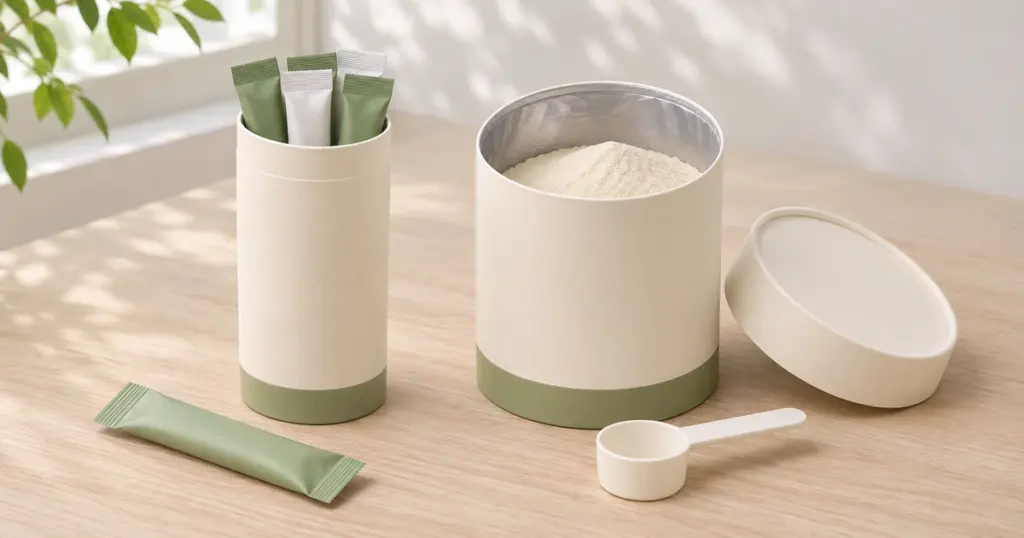
- Sealed sachets. The sachet holds the powder. Sample the outer tube with the full count of filled sachets and check loading, lid fit and first-sachet removal.
- Direct-fill powder. Specify the liner, side seam, base and initial seal as a complete package. Trial it with the actual powder on the intended filling line and agree on the shelf-life validation plan.
- If both formats are possible. Compare the complete filled pack, including primary materials, filling labor, tooling and shipping, for the same serving count.
Sealed sachets and direct-fill tubes compared
| Decision | Sealed sachets inside a paper tube | Powder filled directly into a lined tube |
|---|---|---|
| Product contact | The sachet and its seals form the primary pack. Confirm the sachet specification with the filling partner. | Identify the liner, base, initial seal and any other surfaces that can contact the powder. Request documentation for the intended use and market. |
| Size input | Use the dimensions and thickness of the filled sachets, plus the quantity and loading arrangement. | Use target net weight, the powder’s bulk density under relevant filling conditions, filling equipment limits and any scoop or headspace requirement. |
| Closure | Check that the lid stays on during distribution. After opening, remove a sachet without snagging its sealed edges. | Specify the initial seal for distribution and the lid for repeated use. Check that the filling partner can apply the chosen seal. |
| Sample approval | Load the planned count, seat the lid, and remove the first and last sachets. Inspect for rubbing and damage after handling. | Run a fill and seal trial. Check for powder at the sealing surface, seal integrity and repeated opening. Agree on testing for the complete filled pack. |
Worked example for a 30-serving powder launch
Consider a brand comparing 30 sealed 10 g sachets with one 300 g direct-fill tube. Both formats have the same nominal powder weight. The sample briefs are different.
Option A uses 30 sealed sachets
Send 30 production-filled sachets and confirm whether the operator loads them in bundles or one at a time. Ask for the clear opening, usable inside diameter and closed usable height. Close the sample at full count and remove a single sachet without lifting the bundle. If the lid stops short of its seated position, check whether the filled sachets or stacked end seals contact it. See the full-count sizing and access checks in our guide to paper tubes for supplement stick packs.
Option B uses one direct-fill tube
If the filling team measures an as-filled bulk density of 0.55 g/mL for this example, 300 g occupies roughly 545 mL of powder volume (300 ÷ 0.55). Use this as an initial estimate. Measure fill height on the intended equipment and confirm the room needed for fill variation, the initial seal and any scoop before specifying the tube’s usable capacity.
On the first filled samples, look for powder on the sealing surface and check whether the seal stays intact through the planned handling. Agree on the storage and in-use checks for the actual formula, including what changes in the powder or the package would count as a failure.
Choose which format to develop based on how the product will be used and what the filling team can run. Individual sealed doses fit a portable daily-use brief. A direct-fill tube suits a brief that calls for dispensing from one container, provided the team can validate the fill, seal and repeated opening. Compare costs per 30-serving retail unit once each design meets its own requirements.
Specify the liner and seal together
Ask the supplier to identify the liner and provide any relevant barrier data with its test conditions. Use film data to assess the liner and use filled-pack testing to assess the seams, base and applied closure together. For U.S. projects, review the food-contact documentation against the actual material and its intended conditions of use. See the FDA guide to determining the status of food-contact materials.

A foil-lined construction is one option to discuss for a moisture-sensitive product. Ask for the liner and closure construction for your formula and distribution conditions. See our foil-lined paper tube options.
What to send for a powder packaging quote
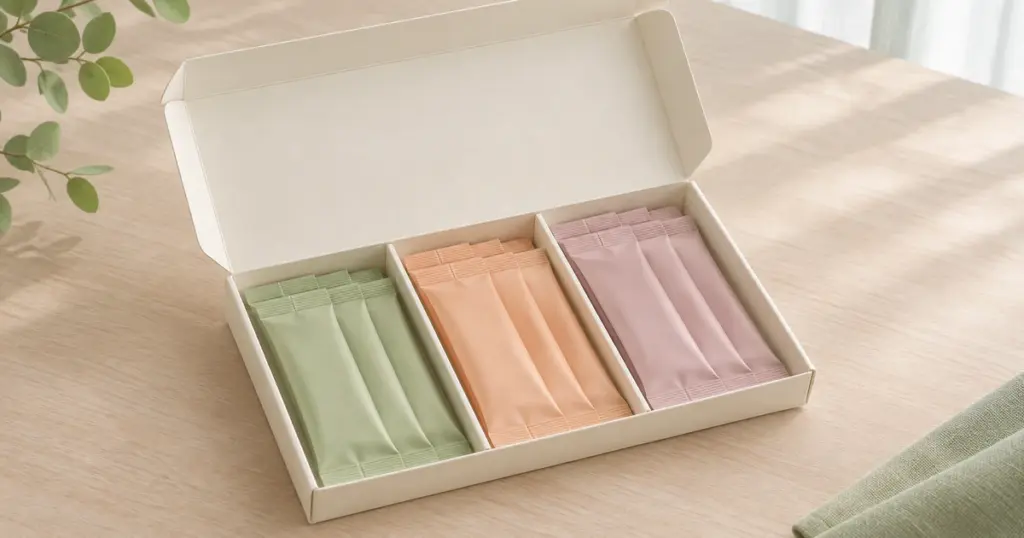
Send the fill format, serving count or net fill weight, quantity per SKU and delivery destination. For sachets, include filled dimensions and count per tube. For direct fill, include bulk-density or fill-trial data, the intended sealing equipment, the target storage conditions and any scoop requirement.
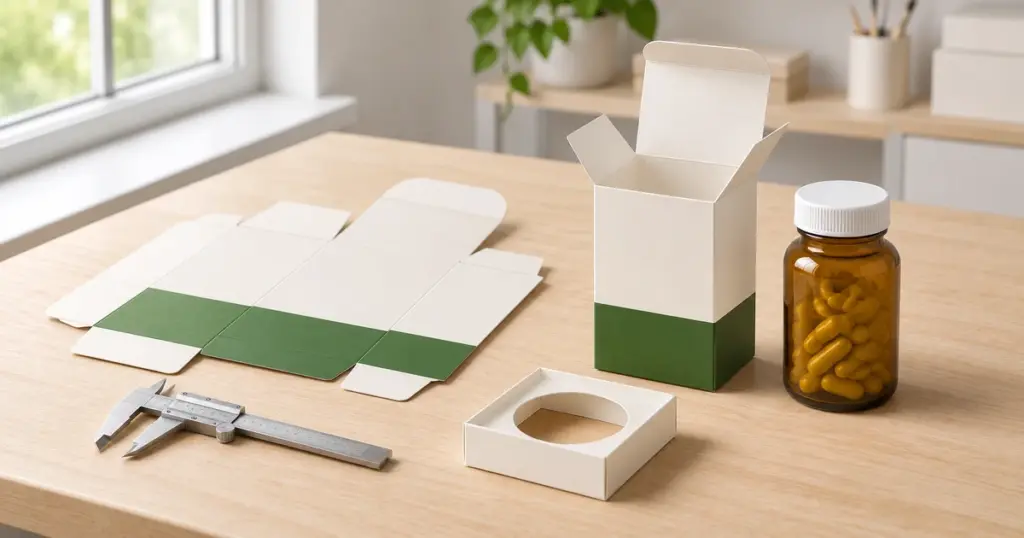
If you are also considering a folding carton for sealed sachets, review the supplement packaging guide for tubes and cartons. When your fill format is set, send your powder packaging specifications for a quote.