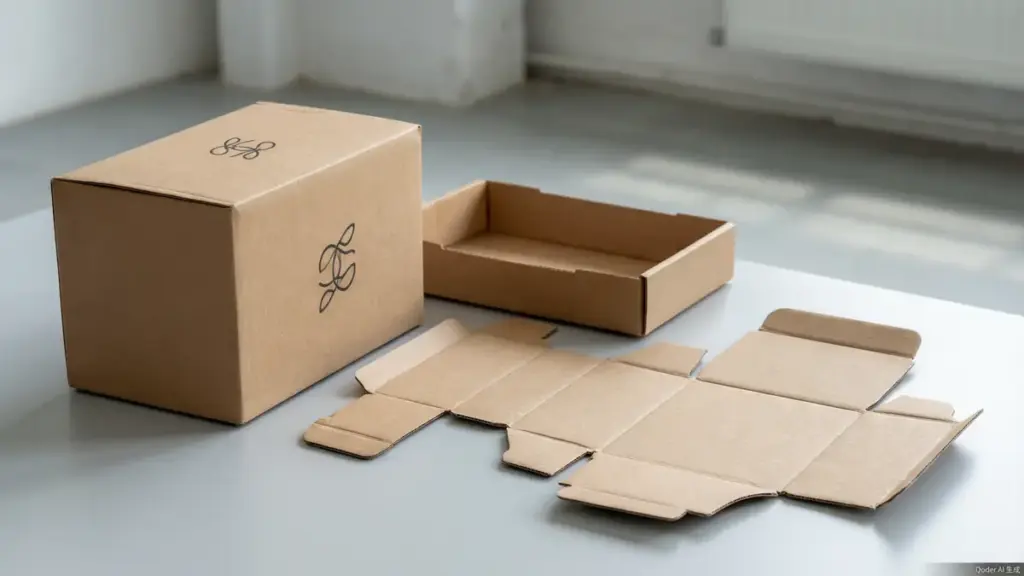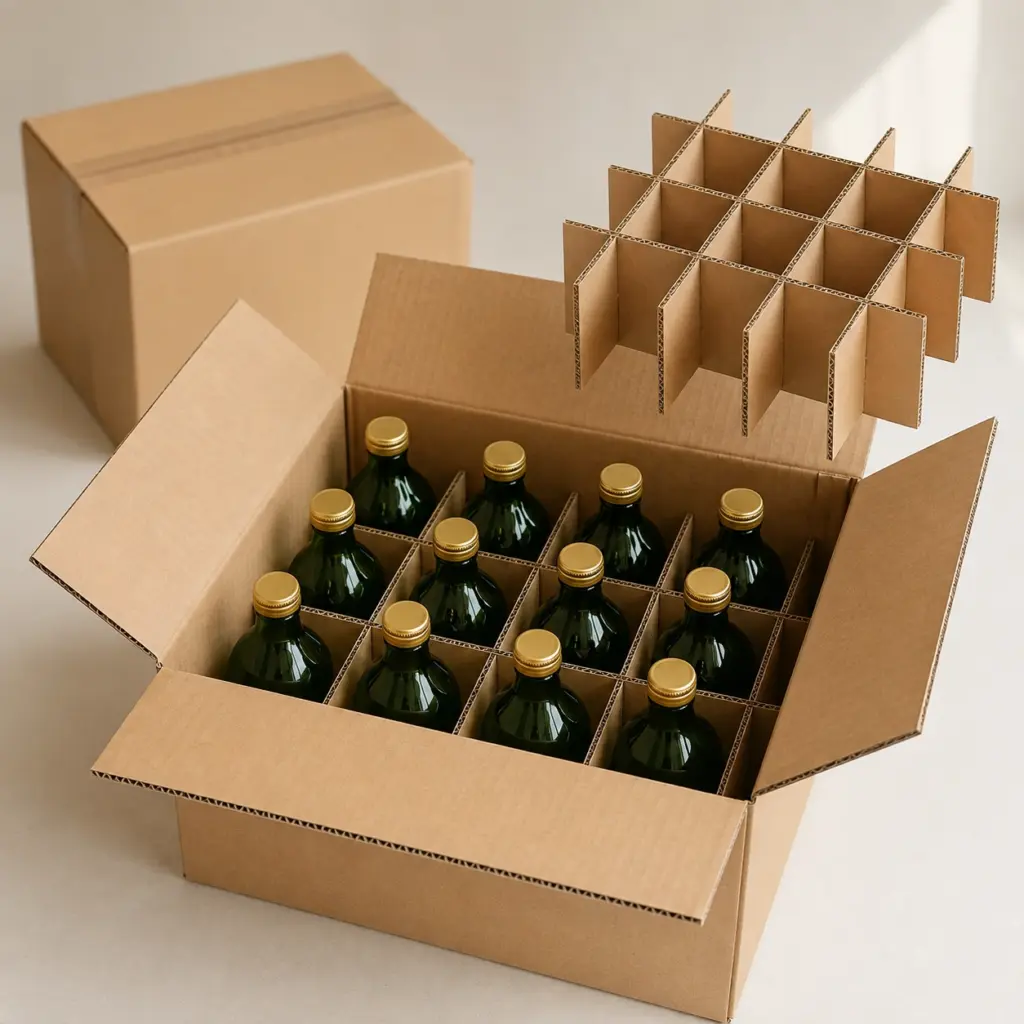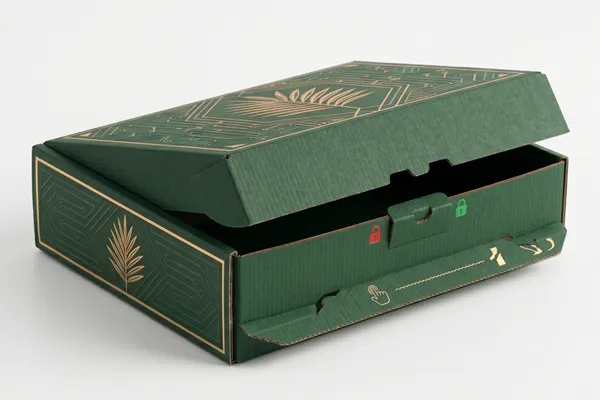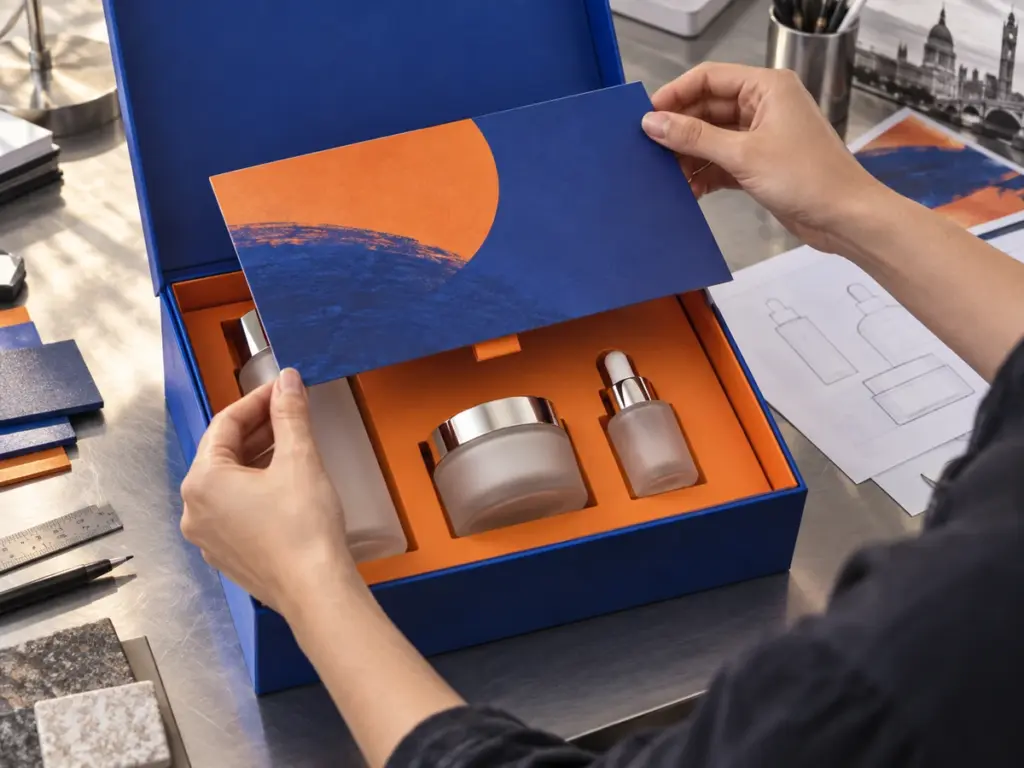
Para marcas globais que adquirem tubos de papel, caixas rígidas, caixas dobráveis ou embalagens de alimentos, sustentabilidade não é mais apenas escolher papel kraft ou adicionar um logotipo FSC. Conformidade com o EUDR está se tornando parte da conversa sobre fornecimento porque certas madeiras- e os produtos à base de papel podem ser abrangidos pelo Regulamento da UE sobre Desflorestação, dependendo da sua classificação tarifária e da forma como são colocados no mercado da UE.
No entanto, o escopo da embalagem é mais matizado do que muitos compradores esperam. As embalagens autónomas de papel ou de madeira vendidas como produto por direito próprio podem ser abrangidas quando se enquadrarem no Anexo I, enquanto embalagens utilizadas exclusivamente para apoiar, proteger ou transportar outro produto está excluído do escopo do EUDR. Portanto, os compradores devem confirmar a classificação CN/HS real, uso comercial e papel na cadeia de suprimentos antes de assumir que cada embalagem de papel é regulamentada da mesma maneira.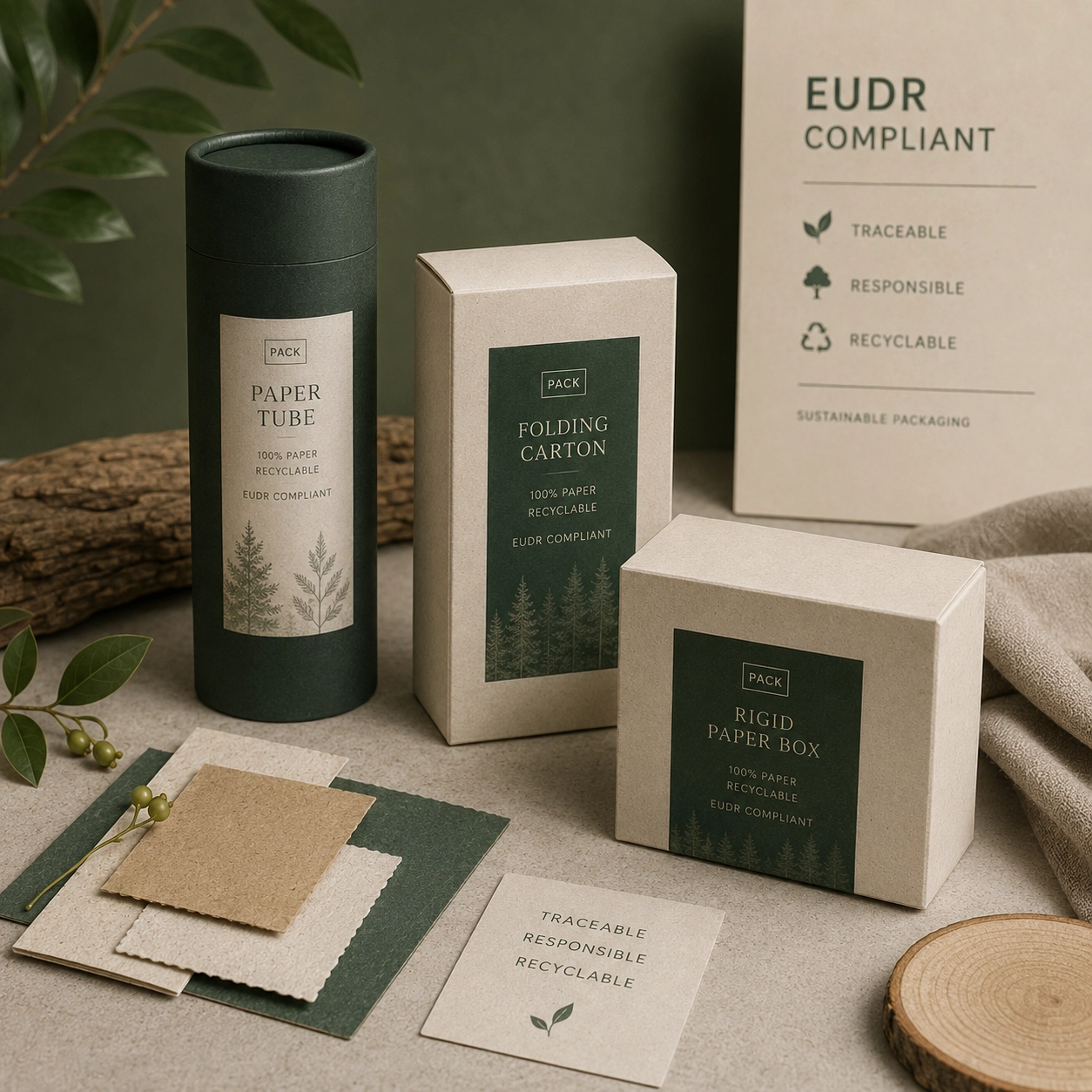
O que é conformidade EUDR para embalagens de papel?
Conformidade com o EUDR significa atender aos requisitos aplicáveis do Regulamento (UE) 2023/1115 para commodities e produtos relevantes associados ao desmatamento e à degradação florestal. Para embalagens de papel, a madeira é a mercadoria relevante, enquanto polpa especificada, os produtos de papel e cartão figuram no âmbito do Anexo I do Regulamento.
Em termos práticos, Conformidade com o EUDR começa com uma verificação de escopo. Um comprador ou fornecedor deve identificar o código do produto, determinar se a embalagem está a ser colocada no mercado como embalagem autónoma ou apenas utilizada para transportar outro produto, e então confirmar qual empresa da cadeia está atuando como operadora, operador ou comerciante a jusante.
Essa distinção realmente importa.
As últimas perguntas frequentes da Comissão Europeia dizem que as embalagens colocadas no mercado da UE ou exportadas como um produto por si só pode ser coberto. Em contraste, embalagens utilizadas exclusivamente para suporte, proteger ou transportar outro produto não é considerado produto relevante para este fim.
Para produtos cobertos, due diligence se concentra na rastreabilidade, legalidade e fornecimento livre de desmatamento. Os operadores devem coletar as informações necessárias, avaliar o risco e, quando necessário, reduzir esse risco ao nível exigido antes de colocar produtos relevantes no mercado da UE ou de os exportar.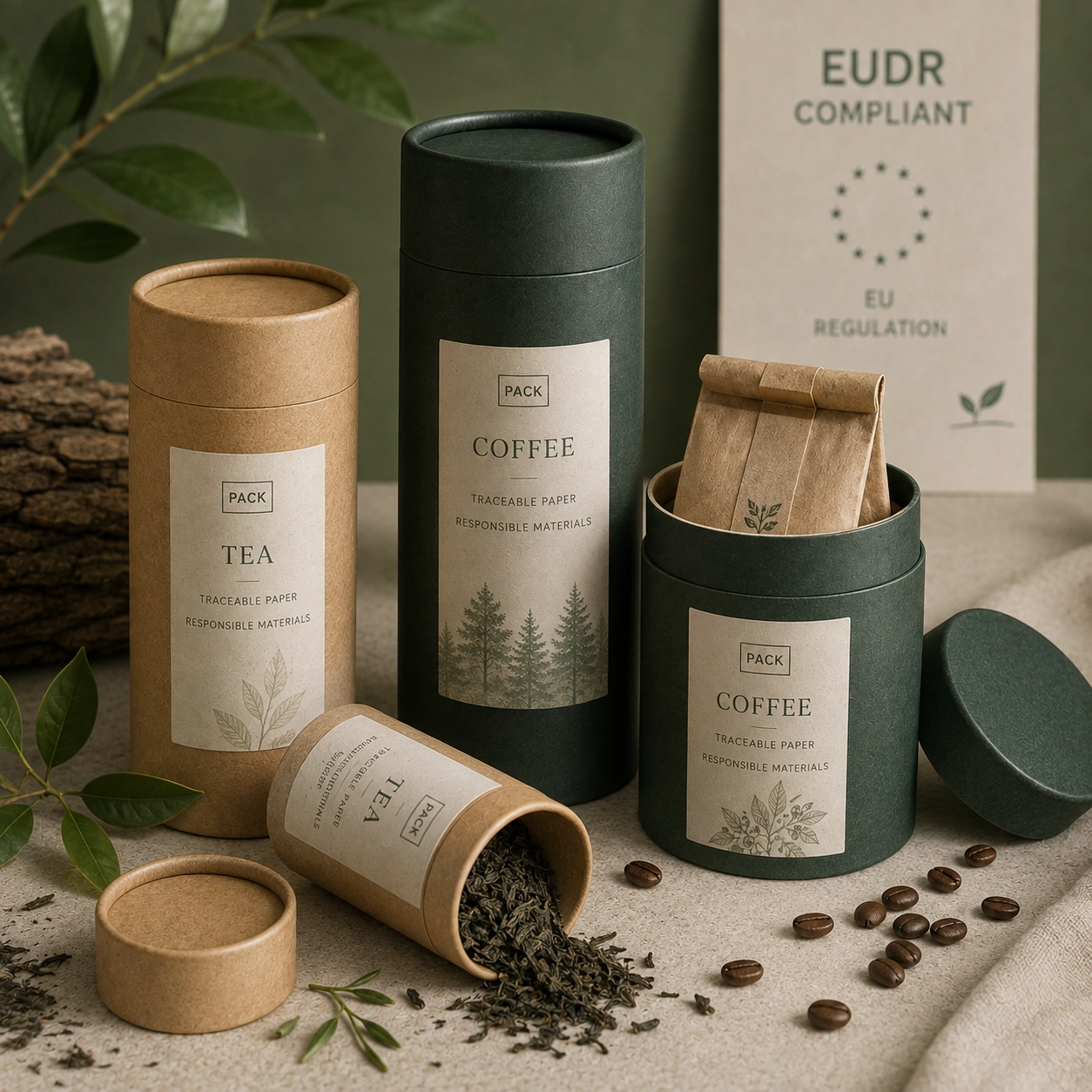
Quando o EUDR se aplica?
O regulamento entrou em vigor em 2023, embora as suas datas de aplicação substantiva tenham sido posteriormente alteradas.
Atual Conformidade com o EUDR requisitos se aplicam a partir de:
- 30 dezembro 2026 para grandes e médias operadoras
- 30 Junho 2027 para a maioria das micro e pequenas operadoras
- 30 dezembro 2026 para micro e pequenos operadores já abrangidos pelo anterior Regulamento da UE sobre madeira
Estas são as datas atuais da Comissão Europeia em agosto 2026.
Para marcas que planejam lançamentos na UE, isso significa que o fornecimento deve ser revisado antes que a remessa já esteja em produção.
Enquanto isso, outra importante regra de embalagem da UE já é relevante: o Regulamento de Embalagens e Resíduos de Embalagens, ou PPWR, geralmente se aplica a partir de 12 Agosto 2026. Portanto, Os projetos de embalagens com destino à UE precisam cada vez mais considerar o fornecimento, reciclabilidade, redução de material e outros requisitos de embalagem juntos.
O EUDR se aplica a todas as caixas de papel ou tubos de papel?
Não.
Este é provavelmente o ponto mais importante de todo o artigo.
O FAQ oficial explica que embalagens de papel ou madeira vendidas como embalagens independentes podem estar no escopo, enquanto a embalagem é usada apenas para suportar, proteger ou transportar outro produto não é. Portanto, Conformidade com o EUDR não pode ser determinado simplesmente vendo que um pacote é feito de papel.
Por exemplo, imagine um importador da UE comprando 20,000 caixas de perfume personalizadas vazias de um fabricante de embalagens estrangeiro.
Essas caixas vazias estão sendo fornecidas como produtos de embalagem por direito próprio.
Agora compare isso com os frascos de perfume importados para a UE já embalados nas suas caixas de papel de varejo. Se essas caixas forem classificadas juntamente com o perfume e apenas servirem de suporte, proteger ou transportar o produto, o tratamento EUDR da própria embalagem pode ser diferente.
Essa distinção é fácil de perder.
E quanto ao papel reciclado?
Papelão reciclado também precisa de análise cuidadosa.
De acordo com as perguntas frequentes atuais da Comissão, os produtos produzidos inteiramente a partir de materiais que completaram o seu ciclo de vida e que de outra forma se tornariam resíduos estão fora do âmbito do Regulamento. No entanto, se um cartão reciclado contém material não reciclado, a parte não reciclada ainda pode estar sujeita aos requisitos de rastreabilidade relevantes.
Portanto, pergunte ao fornecedor se uma “placa reciclada” é:
- 100% material pós-ciclo de vida recuperado, ou
- uma mistura de fibra reciclada e polpa virgem.
Essas não são necessariamente a mesma situação sob o EUDR.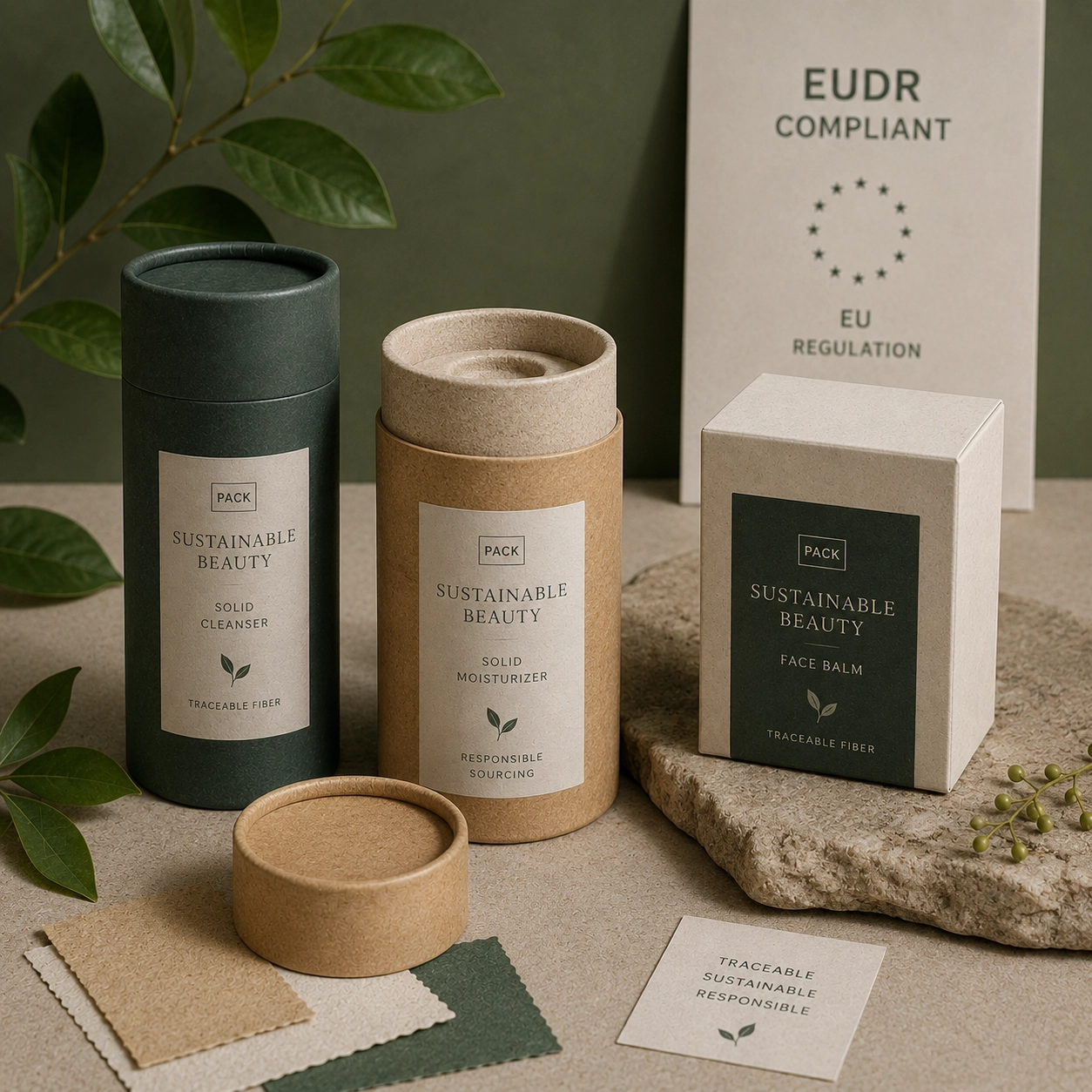
Aplicativos comuns
Os requisitos do EUDR podem tornar-se relevantes em muitas categorias de embalagens personalizadas quando a própria embalagem é fornecida como um produto independente relevante.
Embalagem de perfumes e fragrâncias
As marcas de perfume usam frequentemente:
- Tubos de papel rígido
- Tubos ombro-pescoço
- Tubos telescópicos
- Caixas de presente rígidas
- Caixas de gaveta
- Caixas magnéticas
Um pacote de luxo pode combinar quadro cinza, papel de embrulho especial, encarte de papelão e acabamento decorativo.
Para fornecimento na UE, o comprador deve primeiro determinar se a própria embalagem vazia está sendo importada ou colocada no mercado como um produto por si só. Se for assim, a documentação de fornecimento pode precisar apoiar Conformidade com o EUDR, dependendo da classificação aplicável e da função do comprador.
Cuidados com a pele e cosméticos
Marcas de cosméticos podem usar:
- Caixas dobráveis
- Tubos de papel
- Caixas rígidas
- Caixas de manga
- Conjuntos de presentes
Um comprador de cuidados com a pele também pode solicitar papel certificado pelo FSC, cartão reciclado ou inserções de celulose moldada.
Esses atributos podem apoiar objetivos mais amplos de sustentabilidade. No entanto, O conteúdo FSC ou reciclado não substitui automaticamente Conformidade com o EUDR obrigações em que o regulamento é efetivamente aplicável.
Em particular, a Comissão Europeia afirma que os esquemas de certificação podem apoiar a avaliação de riscos, mas os operadores permanecem legalmente responsáveis pela devida diligência.
Chá e Café
As embalagens de chá e café podem incluir:
- Tubos de papel
- Caixas dobráveis
- Caixas de presente de comida
- Caixas Kraft
- Latas de papel forradas com papel alumínio
Alguns produtos também usam uma bolsa selada de alta barreira dentro da embalagem de papel.
Um detalhe merece atenção aqui: o próprio café é um dos produtos abrangidos pelo EUDR, embora a embalagem exterior em papel possa enquadrar-se numa classificação diferente do Anexo I e num cenário de cadeia de abastecimento. Portanto, os compradores não devem presumir que a análise de conformidade do café responde automaticamente à questão de conformidade da embalagem.
Chocolate e Petiscos
Chocolate, embalagens de doces e salgadinhos podem usar:
- Tubos de papel
- Caixas de comida
- Windows
- Inserções
- Bandejas de papel
- Forros de folha
De novo, a embalagem externa e os alimentos dentro dela podem ter tratamento regulatório diferente.
Portanto, as equipes de compras devem documentar as especificações da embalagem e a conformidade dos produtos alimentícios separadamente, em vez de colocar tudo sob um rótulo vago de “embalagem sustentável”.
Velas e produtos para presentes
Frascos de velas pesados geralmente exigem papelão grosso e encaixes adequados.
A embalagem para presente também pode incluir vários componentes de papel.
Se esses produtos embalados vazios forem fornecidos separadamente no mercado da UE, a classificação e a documentação da cadeia de suprimentos devem ser revisadas antecipadamente.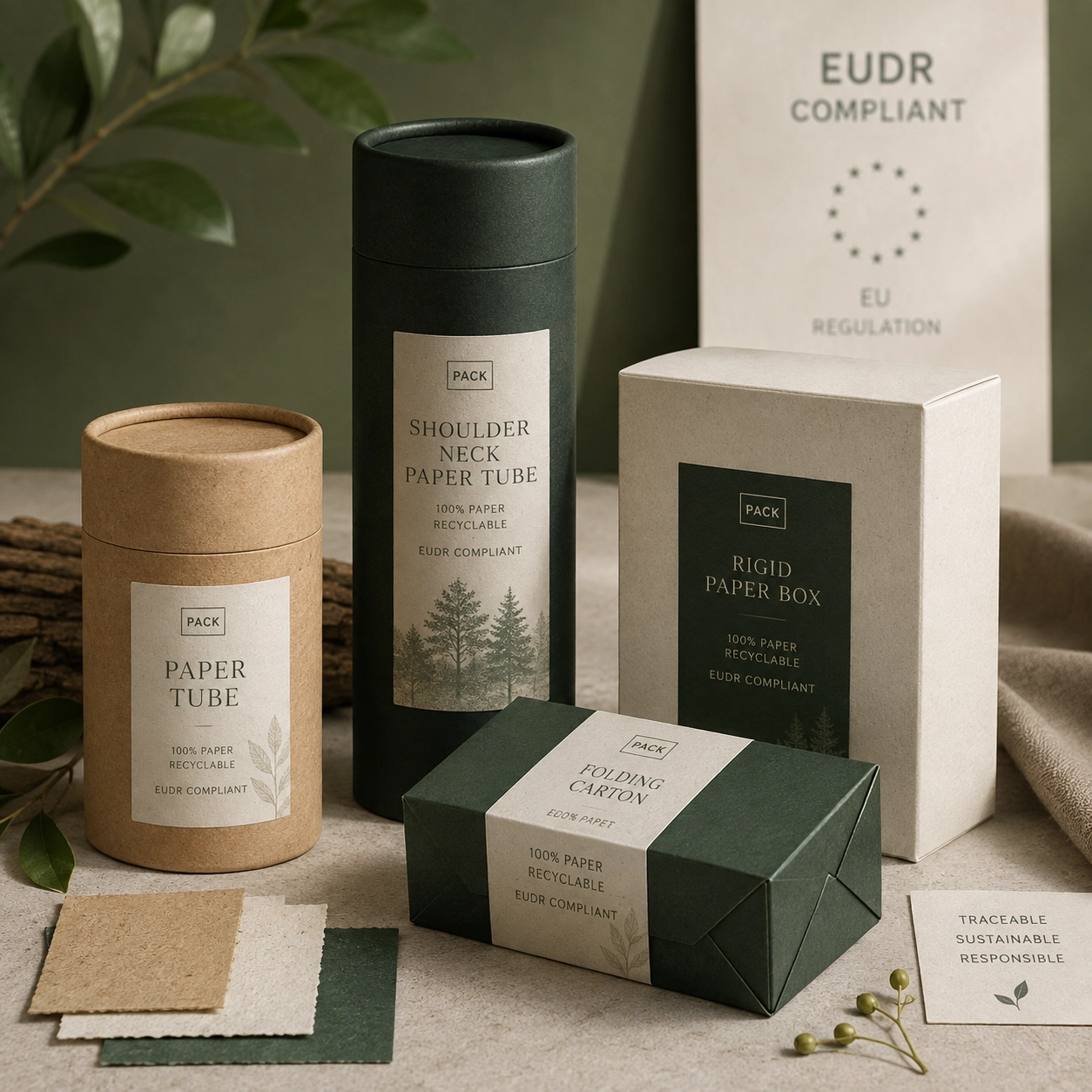
Opções de materiais
A seleção de materiais afeta o desempenho da embalagem e a documentação necessária para o fornecimento sustentável.
Papel kraft
O papel Kraft é popular porque cria uma aparência natural com impressão relativamente simples.
As opções possíveis incluem:
- Kraft marrom natural
- Kraft branco
- Kraft preto
- Kraft reciclado
- Kraft especial
Quando a fibra de madeira virgem é utilizada num produto relevante, o Regulamento pode exigir a rastreabilidade através do sistema de devida diligência do operador responsável.
Papel artístico
O papel artístico revestido funciona particularmente bem para:
- CMYK
- Pantone
- Fotografia
- Ilustrações detalhadas
- Tipografia fina
No entanto, uma superfície branca e lisa não diz quase nada ao comprador sobre a origem da fibra.
Portanto, as marcas devem solicitar informações reais sobre materiais e cadeia de suprimentos, em vez de julgar o fornecimento sustentável pela aparência.
Papel Especial
Embalagem premium pode usar:
- Papel de linho
- Papel com textura de couro
- Papel perolizado
- Papel tingido
- Papel com efeito metálico
Materiais especiais podem envolver vários participantes da cadeia de abastecimento.
Como resultado, a documentação de apoio deve seguir o papel que contém fibra real e a cadeia de fornecedores aplicável - não apenas o nome do material decorativo.
Cartão Reciclado
Papelão reciclado pode reduzir demanda por fibra virgem.
No entanto, muitos tipos reciclados contêm alguma polpa virgem para maior resistência.
Portanto, os compradores devem solicitar a composição do material em vez de simplesmente ver “papelão reciclado” em uma cotação e presumir que está totalmente fora do escopo do EUDR. As perguntas frequentes da Comissão distinguem especificamente materiais totalmente recuperados de produtos que contêm fibras não recicladas.
Papel de qualidade alimentar
As embalagens de alimentos podem usar:
- Papel branco de qualidade alimentar
- Papel revestido de PE
- Papel resistente a gordura
- Papel barreira
- Cartão de qualidade alimentar
Conformidade com o EUDR e segurança em contato com alimentos são tópicos separados.
Um diz respeito ao fornecimento relacionado ao desmatamento e às obrigações de acesso ao mercado. A outra diz respeito se os materiais são adequados para as condições pretendidas de contacto com os alimentos..
Consequentemente, um certificado não deve ser tratado como prova do outro.
Forro de folha
A folha de alumínio e os laminados à base de folha podem fornecer:
- Resistência à umidade
- Proteção de aroma
- Proteção contra graxa
- Barreira de luz
No entanto, adicionar folha não elimina a necessidade de entender a origem e a classificação do próprio corpo de papelão.
Opções de estrutura
A estrutura afeta a lista de materiais, mesmo que a estrutura por si só não decida se o produto se enquadra no âmbito do EUDR.
Tampa e base de papel
Uma tampa de papel e um corpo de papelão criam uma embalagem com predominância de fibra.
Para embalagens autônomas no escopo, o operador responsável deverá ainda determinar se o regulamento se aplica a esses materiais.
Tubo ombro-pescoço
Um tubo de ombro inclui um gargalo interno de papelão que cabe dentro da tampa.
Esta estrutura pode melhorar o ajuste da tampa e proporcionar uma experiência de abertura premium.
Também adiciona outro componente de fibra que deve aparecer claramente na especificação do material.
Tubo telescópico
Um tubo telescópico normalmente usa:
- Uma longa pálpebra superior
- Uma base inferior curta
- Uma inserção opcional
Esta estrutura funciona particularmente bem para perfumes, cuidados com a pele, velas e embalagens de presente premium.
Embora o tubo pareça mais sofisticado, as obrigações regulatórias ainda são baseadas no escopo, fornecimento, classificação e papel na cadeia de suprimentos – não se o pacote parece simples ou luxuoso.
Inserções de papelão
Inserções de papelão podem reduzir a quantidade de plástico usado em aplicações adequadas.
Eles são comumente usados para:
- Cosméticos
- Cuidados com a pele
- Garrafas leves
- Produtos para presente
Inserções de polpa moldada
A polpa moldada pode conter garrafas ou potes com segurança, mantendo uma apresentação à base de fibra.
No entanto, a composição exata da fibra e as informações de origem ainda devem ser documentadas quando relevante.
Embalagem de janela
Uma janela PET ou uma janela à base de celulose altera toda a estrutura do material.
Portanto, o comprador deve avaliar:
- EUDR
- PPWR
- reciclabilidade
- separação de materiais
como questões separadas, mas conectadas.
Tubos push-up e twist-up
Estruturas push-up são particularmente úteis para:
- Desodorante
- Bálsamo labial
- Perfume sólido
- Cuidados com a pele sólidos
Enquanto isso, estruturas de torção podem envolver componentes adicionais.
O desempenho funcional e a fonte de materiais devem, portanto, ser avaliados em conjunto.
Impressão & Opções de acabamento
A impressão premium não determina o status do EUDR, mas afecta o perfil global de sustentabilidade do pacote.
Impressão CMYK
CMYK funciona bem para:
- Fotografia
- Gradientes
- Gráficos multicoloridos
- Ilustrações de produtos
Para fins de EUDR, o ponto importante é se as obrigações relevantes de fornecimento de fibra e de devida diligência podem ser apoiadas onde o produto está no escopo.
Impressão Pantone
A impressão Pantone ajuda as marcas a manter cores consistentes em:
- Tubos de papel
- Caixas rígidas
- Caixas dobráveis
- Sacos de papel
Um simples- ou o design de duas cores também pode reduzir a complexidade visual.
Estampagem a Quente
Ouro, folha prateada e colorida pode criar uma aparência premium.
No entanto, uma área menor da folha geralmente oferece um resultado mais limpo e luxuoso do que cobrir todo o pacote.
Gravação e Debossing
A gravação eleva a superfície do papel, enquanto a gravação empurra o design para dentro.
Estas técnicas podem criar valor visual sem exigir grandes áreas impressas.
UV localizado
Spot UV cria contraste brilhante em áreas selecionadas.
No entanto, os revestimentos também devem ser revistos quando as metas de reciclabilidade forem importantes.
Laminação fosca e brilhante
A laminação pode melhorar a proteção e a aparência da superfície.
No entanto, as escolhas do filme podem afetar o comportamento de reciclagem da embalagem acabada.
Portanto, marcas devem considerar EUDR junto com PPWR, reciclabilidade e design de fim de vida, em vez de tratar cada requisito separadamente.
Due Diligence EUDR: O que os compradores devem entender
Para produtos dentro do escopo, Conformidade com o EUDR é construído em torno da devida diligência.
As últimas perguntas frequentes da Comissão Europeia descrevem três etapas principais para as operadoras:
- Coleta de informações
- Avaliação de risco
- Mitigação de riscos quando necessário
As informações podem incluir o produto relevante, quantidade, fornecedor, país de produção e informações de geolocalização para parcelas de produção, juntamente com provas relevantes para a legalidade.
Se o operador não conseguir obter as informações necessárias, as perguntas frequentes da Comissão afirmam que o produto relevante afetado não deve ser colocado no mercado da UE ou exportado.
O FSC substitui a devida diligência do EUDR?
Não.
A certificação certamente pode ajudar.
No entanto, a Comissão afirma explicitamente que os sistemas de certificação ou verificação só podem ajudar o processo de avaliação de riscos na medida em que forneçam as informações necessárias. As operadoras ainda precisam exercer a devida diligência e permanecer legalmente responsáveis pelas violações.
Portanto, A documentação do FSC pode apoiar evidências de fornecimento, mas não deve ser apresentado como um substituto para Conformidade com o EUDR.
Por quanto tempo os registros devem ser mantidos?
As perguntas frequentes da Comissão afirmam que os operadores devem manter informações e provas relevantes para cinco anos, embora os operadores e comerciantes a jusante aplicáveis também tenham obrigações de manutenção de registos de cinco anos para informações específicas da cadeia de abastecimento.
O que os compradores de embalagens devem pedir aos fornecedores?
Um prático Conformidade com o EUDR a solicitação deve ser mais detalhada do que:
“Você tem um certificado EUDR?”
O EUDR não é simplesmente um exercício de compra de certificados.
Em vez de, peça informações como:
- Composição material
- Porcentagem de fibra virgem
- Porcentagem de fibra reciclada
- Classificação HS/CN aplicável
- Informações do fornecedor de papel
- País de produção
- Informações de rastreabilidade
- Documentos de certificação quando relevante
- Rastreabilidade de lote ou pedido
- Referências de due diligence aplicáveis
- Se a embalagem é fornecida isoladamente ou em torno de outro produto
Claro, os documentos exatos dependem se o produto e a transação específicos realmente se enquadram no escopo do EUDR.
FSC, EUDR, PPWR e EPR: Qual é a diferença?
Esses quatro termos aparecem frequentemente em uma discussão sobre embalagens, mas eles não são intercambiáveis.
FSC
FSC é um sistema de gestão florestal e certificação de cadeia de custódia.
Pode ajudar as marcas a demonstrar o fornecimento responsável de fibra.
EUDR
O EUDR centra-se em produtos abrangidos e produtos derivados que sejam livres de desflorestação e produzidos legalmente antes de serem colocados ou exportados do mercado da UE.
PPWR
PPWR lida com embalagens durante todo o seu ciclo de vida.
Geralmente se aplica a partir de 12 Agosto 2026 e abrange embalagens independentemente do material ou origem. O regulamento inclui requisitos relativos ao fabrico, composição, prevenção de resíduos e reciclabilidade, com o objetivo de tornar as embalagens economicamente recicláveis, 2030.
RPE
Os sistemas de Responsabilidade Alargada do Produtor tratam das responsabilidades das empresas que colocam embalagens nos mercados nacionais e podem envolver registo, relatórios e taxas.
Portanto, Conformidade com o EUDR deveria fazer parte de uma matriz mais ampla de conformidade de embalagens em vez de substituir o FSC, PPWR, Requisitos de EPR ou contato com alimentos.
Embalagens de papel sustentáveis além do EUDR
Conformidade com o EUDR assuntos, mas as embalagens sustentáveis também devem utilizar materiais de forma eficiente.
Por exemplo, marcas podem considerar:
- Dimensionando corretamente o pacote
- Evitando espessuras desnecessárias da placa
- Usar conteúdo reciclado quando adequado
- Selecionando fibra de origem responsável
- Substituir espuma desnecessária por papelão ou polpa moldada
- Removendo materiais misturados desnecessários
- Projetando inserções removíveis
- Melhorando a utilização da caixa de remessa
- Usando menos processos decorativos sempre que possível
O PPWR é especialmente relevante aqui porque os seus objectivos incluem a redução de embalagens e a produção de resíduos e tornar as embalagens colocadas no mercado da UE recicláveis de uma forma economicamente viável, através de 2030.
Portanto, um projeto de embalagem forte não deve parar em “De onde veio o papel?”
Também deveria perguntar:
“Estamos usando mais embalagens do que o produto realmente precisa?”
Guia relacionado: Embalagem de tubo de papel biodegradável
Se você também estiver avaliando estruturas baseadas em fibra e reivindicações ambientais, leia nosso Embalagem de tubo de papel biodegradável para marcas de beleza e alimentos guia.
Esse artigo explica como o papelão, revestimentos, forros de folha, janelas e inserções afetam biodegradáveis, reivindicações recicláveis e sem plástico.
Junto, estas páginas respondem a duas perguntas diferentes do comprador:
O caminho regulatório e de fornecimento apoia a conformidade com o EUDR??
e
Como o pacote final deve ser concebido e descrito a partir de uma perspectiva ambiental de fim de vida?
Este é exatamente o tipo de relacionamento de link interno relevante que o Google recomenda. O Google afirma que analisa links entre páginas para entender a estrutura do site de comércio eletrônico e a importância relativa da página, enquanto o texto âncora claro também ajuda os usuários e o Google a entender a página de destino.
Como personalizar embalagens de papel sustentáveis
Comece com o produto em vez da lista de certificados.
Etapa 1: Defina o produto
Fornecer:
- Tipo de produto
- Dimensões
- Peso
- Contêiner primário
- Condição de contato com alimentos
- Quantidade do pedido
- Mercado-alvo
Etapa 2: Confirme a estrutura
Estruturas possíveis incluem:
- Tubo de papel
- Tubo ombro-pescoço
- Tubo telescópico
- Caixa de papel rígida
- Caixa dobrável
- Manga
- Pacote de janela
- Tubo de flexão
Etapa 3: Escolha os materiais
Selecione de:
- Papel kraft
- Papel de arte
- Papel especial
- Cartão reciclado
- Papel de qualidade alimentar
- Materiais de barreira
Em seguida, pergunte quais materiais podem apoiar as metas exigidas de rastreabilidade e sustentabilidade.
Etapa 4: Revise o escopo do EUDR
Antes da aprovação final, confirme se Conformidade com o EUDR é realmente relevante para a transação de embalagem.
Perguntar:
- A embalagem é independente?
- Qual é o seu código CN/HS?
- É virgem, fibra reciclada ou mista?
- Quem é o operador/importador da UE?
- Quais registros de due diligence são necessários?
Esta etapa é especialmente importante porque o FAQ oficial da Comissão torna explícita a distinção entre embalagem autônoma e embalagem de suporte.
Etapa 5: Selecione Impressão e Acabamento
As opções incluem:
- CMYK
- Pantone
- Estampagem a quente
- Gravação
- Gravação
- UV localizado
- Laminação fosca
- Laminação brilhante
Se a reciclabilidade é um objetivo fundamental, simplificar processos que não criam valor significativo para o cliente.
Etapa 6: Preparar arte
Forneça editável:
- IA
- EPS
Separar:
- Dieline
- CMYK
- Pantone
- Frustrar
- Gravar
- Chefe
- UV localizado
- Janela
Etapa 7: Produzir Amostras
Verificar:
- Dimensões
- Ajuste da tampa
- Inserir ajuste
- Posicionamento do produto
- Impressão
- Acabamento de superfície
- Proteção de transporte
Etapa 8: Confirme MOQ e prazo de entrega
MOQ e tempo de produção dependem:
- Tamanho
- Materiais
- Estrutura
- Inserir
- Impressão
- Acabamento
- Ferramentas
- Quantidade
Portanto, finalizar a especificação completa antes de bloquear o cronograma de lançamento.
Produtos Relacionados: Tubos de papel personalizados / Embalagem de alimentos / Embalagens Cosméticas
Por que escolher a embalagem Pack?
A Pack Packaging oferece suporte a tubos e caixas de papel personalizados, desde o desenvolvimento estrutural até a produção em massa.
Nossa instalação de fabricação cobre 20,000㎡, incluindo um 2,000㎡ oficina de qualidade alimentar. A capacidade mensal de produção de tubos de papel excede 10,000,000 pedaços, enquanto nosso 20+ equipe de design membro suporta projeto estrutural, seleção de materiais, inserções, obra de arte, amostragem e planejamento de produção.
Para embalagens destinadas à UE, nossa função é ajudar os clientes a organizar claramente suas especificações e documentação disponível da cadeia de suprimentos. No entanto, Conformidade com o EUDR em última análise, depende da classificação específica, transação, papel da cadeia de suprimentos e responsabilidade legal das partes envolvidas.
Nossos recursos OEM e ODM incluem:
- Tubos de papel personalizados
- Caixas de papel rígidas
- Caixas dobráveis
- Papel kraft
- Papel de arte
- Papel especial
- Cartão reciclado
- Materiais de qualidade alimentar
- Inserções de papelão
- Inserções de polpa moldada
- EVA/EPE quando necessário
- Impressão CMYK
- Impressão Pantone
- Estampagem a quente
- Gravação
- Gravação
- UV localizado
- Laminação fosca
- Laminação brilhante
- Acabamento com toque suave
- Amostragem estrutural
- Amostragem impressa
- Inspeção de qualidade
- Embalagem de exportação
Dependendo do projeto aprovado, documentos de apoio podem incluir documentação relacionada ao FSC, relatórios de contato com alimentos, Documentação relacionada ao BRC, Informações relacionadas ao IFS, REACH-SVHC, RoHS 2.0 e documentação de suporte EPR.
A aplicabilidade exata deve sempre ser confirmada para o material final e mercado de destino.
Perguntas frequentes
1. O EUDR se aplica a todas as embalagens de papel?
Não.
As últimas perguntas frequentes da Comissão afirmam que embalagens autónomas de papel ou madeira podem ser abrangidas, enquanto embalagens utilizadas exclusivamente para apoiar, proteger ou transportar outro produto está excluído do escopo da embalagem.
2. As caixas de papel personalizadas vazias importadas para a UE são potencialmente abrangidas??
Sim, potencialmente.
Se as caixas vazias forem fornecidas como produtos por direito próprio e se enquadrarem no Anexo I, as regras relevantes do EUDR podem ser aplicadas. A classificação real da NC e o papel do importador devem, portanto, ser verificados.
3. A certificação FSC satisfaz automaticamente o EUDR?
Não.
A certificação pode apoiar a avaliação de riscos, mas os operadores continuam responsáveis pela devida diligência e pelas violações.
4. É 100% papelão reciclado coberto?
O material produzido inteiramente a partir de materiais que completaram o seu ciclo de vida e que de outra forma se tornariam resíduos está fora do Regulamento, de acordo com as Perguntas frequentes da Comissão.
No entanto, classes recicladas contendo fibra virgem precisam de revisão adicional.
5. Qual é a data limite do desmatamento?
Para produtos relevantes, o requisito de livre de desmatamento do EUDR é baseado em commodities que não são produzidas em terras sujeitas a desmatamento após 31 dezembro 2020.
6. Quando as regras se aplicam?
As datas oficiais atuais são:
Grandes e médias operadoras: 30 dezembro 2026
A maioria das micro e pequenas operadoras: 30 Junho 2027.
7. A geolocalização é necessária?
Para operadores que realizam due diligence padrão em produtos relevantes, a informação geográfica das parcelas onde o produto em questão foi produzido é um requisito de informação fundamental. Regimes simplificados específicos podem ser aplicados em circunstâncias definidas.
8. Quais informações devo enviar ao solicitar embalagem?
Enviar:
- Dimensões do produto
- Tamanho da embalagem
- Quantidade
- Mercado-alvo
- Material preferido
- Estrutura
- Inserir requisitos
- Impressão
- Acabamento
For EU projects, informar também ao fornecedor se a embalagem será importada como embalagem autônoma vazia ou se já conterá outro produto.
Explore mais soluções de embalagens personalizadas
Procurando mais opções de embalagens? Descubra nossa linha completa de produtos de embalagens personalizadas projetados para diferentes indústrias e aplicações.
Caixas dobráveis – Caixas leves e totalmente personalizáveis para embalagens de varejo.
Caixas Rígidas – Caixas de presente rígidas premium para marcas de luxo.
Caixas de papelão ondulado – Soluções duráveis de embalagem para remessa e comércio eletrônico.
Caixas resistentes a crianças – Embalagem segura para produtos regulamentados.
Acessórios – Inserções personalizadas, papel de seda, fitas, rótulos, e mais.
Tubos de papel - Explore nossa coleção dedicada de embalagens personalizadas em tubos de papel para chá, café, cosméticos, velas, espíritos, e outros produtos premium em nosso site especializado.
Precisa de embalagem personalizada? Contate nossa equipe hoje para um orçamento gratuito e consulta especializada.